
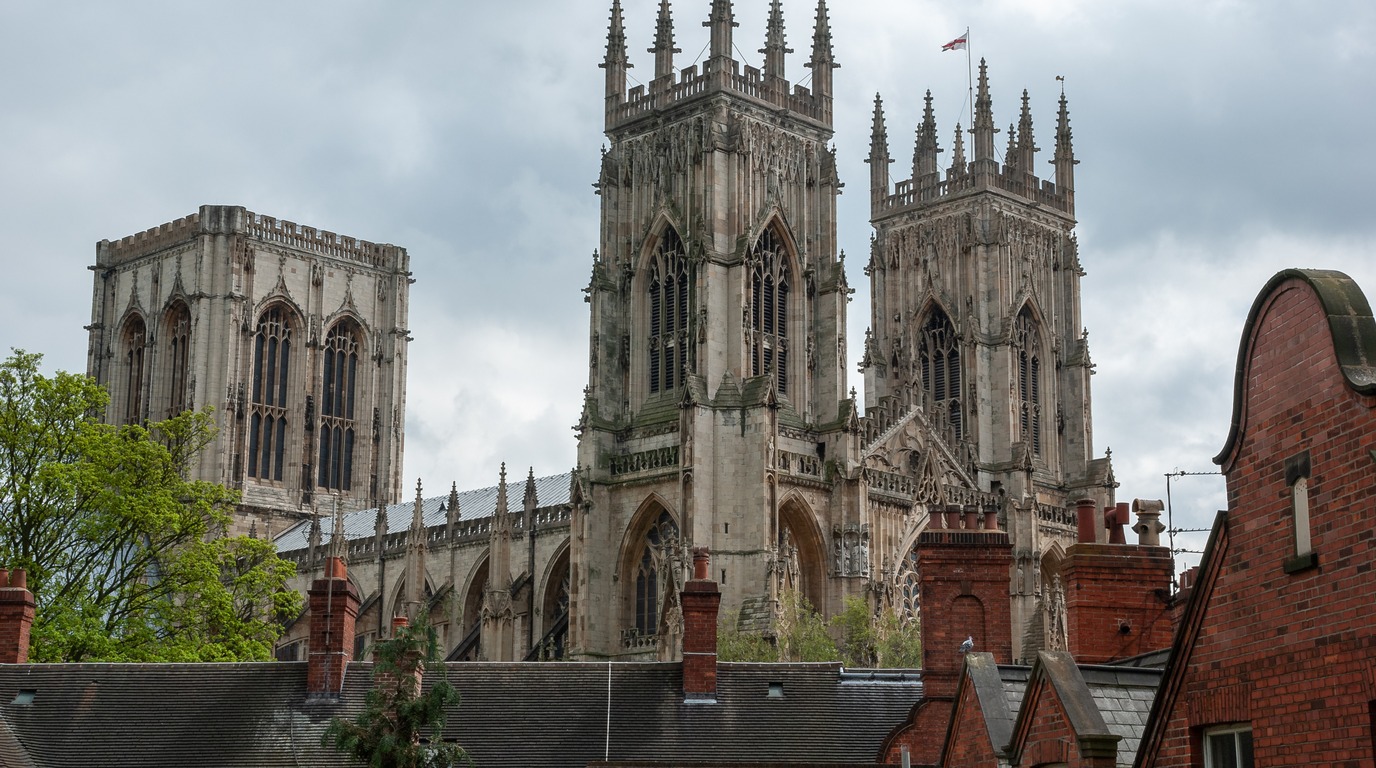
Cloaked in low winter fog and the eerie, romantic amber glow of gas street lamps, the ancient walled city of York feels less like a modern English destination and more like an immersive living portal into medieval Britain. While warmer months bring bustling tour groups, winter strips York down to its evocative historic bone: timber-framed 14th-century butcher shops leaning intimately toward one another along The Shambles, the colossal gothic limestone towers of York Minster piercing frosty northern skies, stone-flagged alleys echoing with centuries of ghost legends, and historic timbered public houses roaring with open coal fires and the rich aroma of traditional Yorkshire puddings ladled with piping-hot gravy.
An easy two-hour direct train journey from London Kings Cross and just under an hour from Edinburgh, York is exceptionally well-suited for a cold-weather city break. Built successively by Romans (Eboracum), Vikings (Jorvik), and medieval Normans, the entire historic core is encased within two miles of intact stone fortification walls. Because York’s treasures are concentrated and fiercely cozy—from world-class subterranean archaeology museums to warm chocolate emporiums, atmospheric ghost tours through cobblestone snickelways, and centuries-old coaching inns—cold winter weather only amplifies the magic. Spending 48 hours here in winter provides the ultimate blend of ancient Nordic drama, ecclesiastical majesty, and warm Yorkshire hospitality.
Why York in Winter Is Pure Magic
- The Living Fairytale of The Shambles: Mentioned in the Domesday Book of 1086, The Shambles is Europe’s best-preserved medieval street. In winter, with early darkness falling at 4:30 PM, the timber overhangs and shop windows glowing with lantern light feel straight out of Charles Dickens or Harry Potter’s Diagon Alley.
- York Minster’s Gothic Magnificence: Northern Europe’s largest medieval gothic cathedral houses more ancient stained glass than anywhere else in Britain, including the Great East Window (the size of a tennis court) and the Heart of Yorkshire window, glowing warmly during winter Evensong services.
- Elevated Medieval City Walls Walk: Spanning two miles with five imposing fortified stone gatehouses (Bars), walking along the battlements on a crisp, frosty morning provides panoramic viewpoints over church spires, snow-dusted gardens, and Roman ruins.
- Europe’s Most Haunted City: Designated by the International Ghost Research Foundation as the most haunted city in the world, York’s chilling winter chill provides the perfect backdrop for thrilling nighttime lantern-lit ghost walks through narrow medieval “snickelways.”
- Robust Yorkshire Pub Culture: With over 365 historic pubs—reputedly one for every day of the year—there is no better place in Britain to duck out of the cold into a stone tavern featuring roaring fireplaces, creaking timber beams, and locally pulled cask ales.
Yorkshire Winter Weather & Essential Packing Guide
Located in northern England, York experiences crisp, chilly winter weather between December and February. Daytime highs average around 4°C to 7°C (39°F to 45°F), dropping near 0°C (32°F) overnight, with frequent frost and occasional snow flurries. Low river mist from the Ouse and Foss rivers often settles over the cobblestones at twilight, creating an unmistakably gothic atmosphere. Daylight lasts from approximately 8:20 AM to 4:15 PM.
- Insulated Winter Coat: A heavy woolen overcoat or down-insulated waterproof parka is vital for extended walking along the elevated, windy stone city walls.
- Sturdy Walking Boots: York’s cobblestones, uneven medieval flagstones, and wall parapets require supportive footwear with reliable rubber grip to navigate winter dampness.
- Thermal Base Layers, Hat & Gloves: Essential for enjoying 90-minute evening ghost walking tours and climbing the 275 steps of the Minster’s Central Tower.
- Compact Umbrella: Northern winter drizzles can arrive suddenly; keeping a windproof travel umbrella handy keeps you dry between historic attractions.
The Perfect 48-Hour York Winter Weekend Itinerary
Day 1: York Minster, Elevated Walls & The Original Ghost Walk
Arrive in York and head directly to Bootham Bar, one of the four medieval gateways. Climb the stone steps onto the elevated City Walls, walking the northern ramparts past the Dean’s Park for the most breathtaking elevated views of York Minster. Exit the walls at Monk Bar and step inside the Minster itself. Spend two hours marveling at the towering gothic nave, the subterranean Undercroft Museum showing 2,000 years of Roman and Norman foundations, and the 15th-century Rose Window. Attend the 5:15 PM Choral Evensong service to hear the world-class choir echo through vaulted stone in candlelight.
Warm up late in the afternoon inside Betty’s Café Tea Rooms on St. Helen’s Square, established in 1919. Savor a pot of Yorkshire Gold tea accompanied by a famous toasted Fat Rascal scone studded with plump currants and glace cherries. At 7:30 PM, meet outside The Golden Fleece pub (reputedly York’s most haunted inn) for The Original Ghost Walk of York. Walk through dark, narrow medieval alleyways known locally as “snickelways,” listening to spine-chilling tales of Roman soldiers, plague victims, and highwayman Dick Turpin before ending the evening over a pint of Theakston Old Peculier beside a roaring fireplace.
Day 2: JORVIK Viking Heritage, The Shambles & Clifford’s Tower
Begin your second day descending beneath modern Coppergate into the JORVIK Viking Centre. Ride through a meticulously reconstructed 10th-century Viking city complete with authentic sights, sounds, and even historically accurate aromas based on archaeological finds from the Coppergate dig. Afterward, walk five minutes into The Shambles. Wander between overhanging timber butcher shops, browsing artisan sweetshops, potion masters, and historic bookshops before stopping at the Shambles Market for hot street food.
In the afternoon, climb the grassy motte of Clifford’s Tower, the stark stone keep that once anchored William the Conqueror’s castle. The recently installed internal timber structure and rooftop deck offer 360-degree vistas across York’s rooftops and the Vale of York. Conclude your weekend getaway by pulling up a chair at a centuries-old public house like The Guy Fawkes Inn (birthplace of the infamous Gunpowder Plot conspirator) for a towering plate of roast Yorkshire beef, giant puddings, and rich horseradish gravy.
Hearty Yorkshire Fare & Historic Alehouses
Yorkshire takes food seriously. Famous throughout Britain for comforting, generous portions crafted to withstand bitter northern winters, dining in York is an unforgettable gastronomic tradition.

- Giant Yorkshire Puddings & Roast Beef: Made from a simple batter of eggs, flour, and milk baked in smoking-hot beef drippings until puffed, crisp, and golden. In York pubs, you can order full Sunday roasts served inside giant bowl-sized Yorkshire puddings overflowing with slow-roasted beef, roast potatoes, carrots, and lashings of rich marrow gravy.
- Yorkshire Curd Tart: A regional sweet pastry baked with curd cheese, butter, eggs, currants, and freshly grated nutmeg, offering a delicate spiced flavor that dates back to the Middle Ages.
- York’s Chocolate Legacy: Known as the “Chocolate City,” York was home to global confectionery legends Terry’s (Chocolate Orange) and Rowntree’s (KitKat). Visit York’s Chocolate Story on King’s Square for rich, thick hot chocolates spiced with chili or cinnamon.
- Traditional Cask Ales: York is paradise for real ale enthusiasts. Sample local Yorkshire bitters like Timothy Taylor’s Landlord, Black Sheep, or Samuel Smith’s Old Brewery Bitter served from hand-pull pumps at historic coaching inns.
Medieval Marvel: The Shambles & Historic Snickelways
Stepping onto the uneven cobblestones of The Shambles feels like walking into an oil painting from 1400.

Originally known as Fleshammels (“flesh-shelves”), this narrow street was home to the city’s butcher shops. Look closely at the exterior timber frames and you can still see the iron meat hooks hanging beneath the second-story overhangs, designed to shade cuts of fresh meat from sunlight. The upper floors jut out so far toward the opposite buildings that neighbors on top floors could shake hands across the street. In winter, with mist gathering around the overhanging eaves and shop lanterns illuminating wooden window frames, The Shambles captures medieval England at its most enchanting.
Gothic Majesty: York Minster & The Rose Window
Dominating every corner of the cityscape, York Minster took over 250 years to build (between 1220 and 1472) and stands as one of the world’s crowning achievements in gothic architecture.

Step through the great doors into the vast nave, admiring the soaring limestone columns and the exquisite Chapter House with its rib-vaulted ceiling unencumbered by a central supporting pillar. The Minster holds an astonishing collection of original medieval stained glass; on sunny winter mornings, low sunlight transforms the interior stone floors into shimmering rivers of sapphire, emerald, and ruby light. Climb the 275 winding steps of the Central Tower on a clear winter afternoon for commanding views extending across the North York Moors.
3 Insider Tips for Visiting York in Winter
1. Walk the Snickelways with Mark Jones’ Guide: Don’t limit yourself to main avenues. York is honeycombed with tiny medieval pedestrian passageways known as “snickelways” (such as Hole-in-the-Wall, Mad Alice Lane, and Coffee Yard). Pick up a local walking map and explore these narrow tunnels that cut between historic timber houses.
2. Visit the Roman Bath Pub Cellar: Underneath The Roman Bath pub on St. Sampson’s Square lies the excavated remains of an actual Roman legionary bathhouse (caldarium) discovered during pub renovations in 1930. Grab a pint upstairs, then descend the cellar steps to view original 1st-century hypocaust heating tiles.
3. Experience Evensong in the Minster: Entry to York Minster typically requires a tourist admission ticket, but daily Choral Evensong services (Tuesday through Sunday at 5:15 PM) are free and open to everyone. Hearing the choir’s harmonies reverberate beneath 70-foot vaulted ceilings in candlelight is an unforgettable winter memory.
Where to Stay & How to Get Around in Winter
- Within the City Walls (Historic Core): The best base for a winter weekend break. Staying inside the medieval walls allows you to stroll to all attractions, tearooms, and ghost tours within 5 to 10 minutes without relying on buses or cabs.
- Bootham & Gillygate: Located just outside the northern walls, this leafy area offers boutique bed-and-breakfasts in Victorian townhouses with Minster views.
- Rail Connectivity: York Railway Station is a major hub on the East Coast Main Line. Direct LNER high-speed trains connect York to London Kings Cross in just 1 hour 50 minutes, and Edinburgh Waverley in 2 hours 20 minutes. The station is directly adjacent to the city walls.
Frequently Asked Questions
Is York worth visiting in winter?
York is widely considered one of the best winter destinations in the United Kingdom. Because its historic charms—medieval pubs, ghost tours, underground Viking exhibits, and magnificent cathedral spaces—are naturally cozy and weatherproof, winter weather enhances the gothic atmosphere without disrupting sightseeing.
How many days are needed in York for a weekend break?
A 48-hour stay (2 days and 2 nights) allows you to thoroughly explore York Minster, walk the complete city walls circuit, visit JORVIK, wander The Shambles, and take in an evening ghost walk without rushing.
Are the York city walls open in winter?
Yes, the elevated city walls are open daily from 8:00 AM until dusk, free of charge. In cases of severe ice or snow, specific sections may be temporarily closed for safety, but they are promptly reopened once walkways are cleared.
Pin This York Winter Guide
Dreaming of a cozy medieval winter getaway to Yorkshire? Save this 48-hour York winter itinerary to your Pinterest UK Travel or Winter Weekend Breaks board so you have all the top historic pubs, gothic viewpoints, and ghost walk routes ready on hand!
Leave a Comment