
Reflected in the still, mirror-like waters of the Leie river under crisp winter twilight, Gent is Europe’s best-kept medieval secret—a vibrant Flemish gem where authentic local life pulses through centuries-old stone quays. While summer brings dense crowds to neighboring Bruges, winter wraps Gent in an ethereal, storybook quietude: 12th-century guildhouses along the Graslei glowing with award-winning architectural illuminations, the imposing stone fortress of Gravensteen castle presiding over mist-veiled moats, cozy tavern cellars scented with simmering Waterzooi stew, and the soaring triad of gothic towers piercing indigo northern skies.
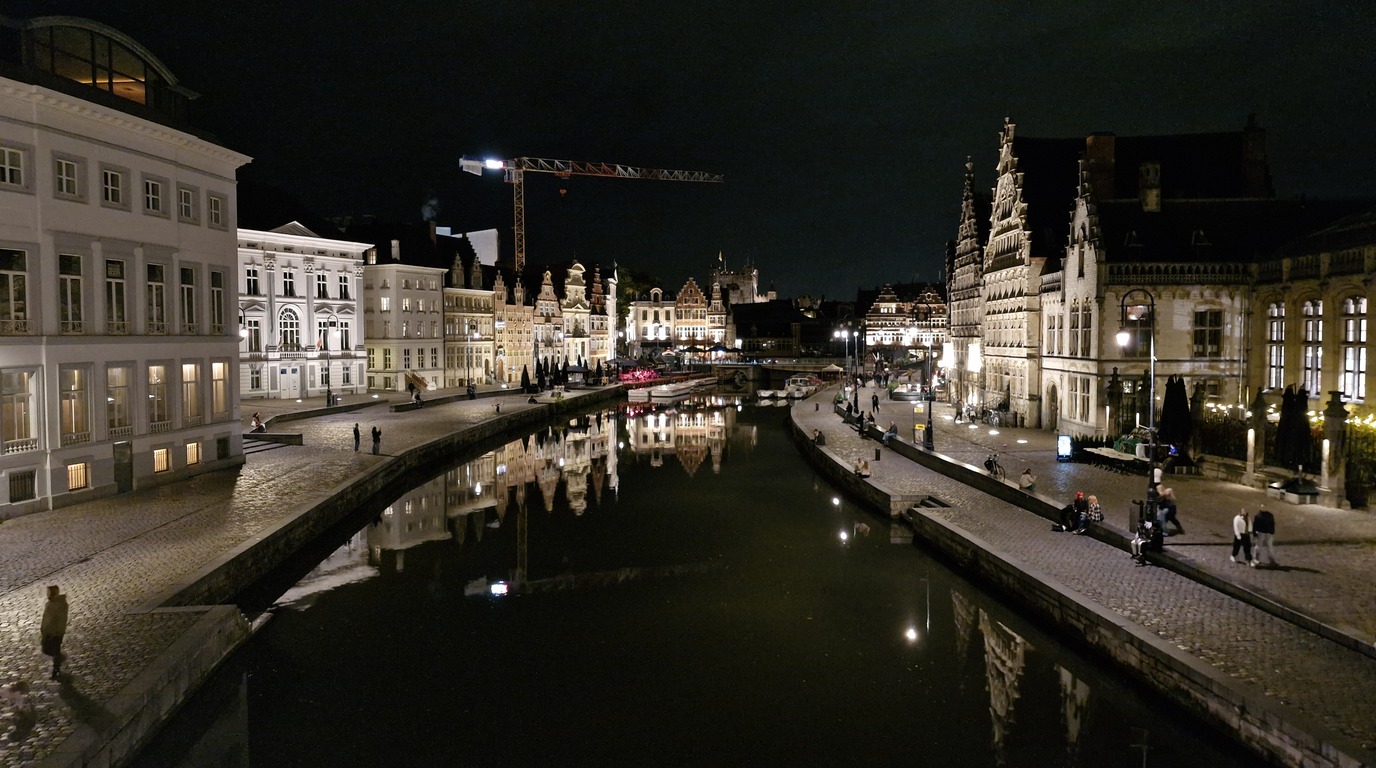
Located just 30 minutes by direct train from Brussels, Antwerp, and Bruges, Gent provides the quintessential winter city break without tourist-trap artifice. Because Gent is a thriving university town as well as a living historic monument, its cobblestone streets remain full of genuine warmth throughout the cold months. Heated canal-side terraces, candlelit medieval crypts, centuries-old mustard shops, and heated river barges invite long afternoons of relaxed exploration. Whether you are marveling at the mind-bending details of the Van Eyck brothers’ Ghent Altarpiece inside St. Bavo’s Cathedral or climbing the ramparts of the Castle of the Counts for panoramic rooftop views, 48 hours in Gent during winter is an enchanting, timeless Flemish journey.
Why Gent in Winter Is Pure Magic
- World-Renowned Architectural Illuminations: Gent is internationally celebrated for its sustainable Light Plan, designed by lighting architect Roland Jéol. As darkness falls at 5:00 PM, monuments, bridges, and medieval facade gables are bathed in theatrical warm light that transforms nighttime winter strolls into pure cinematic magic.
- The Formidable Gravensteen Fortress: Rising out of water moats in the city center, the 12th-century Castle of the Counts is one of northern Europe’s most intact medieval stone fortresses, complete with winding spiral staircases, knightly armories, and high battlements.
- The Mystic Lamb (Van Eyck’s Ghent Altarpiece): Housed in the subterranean visitor center of St. Bavo’s Cathedral, Hubert and Jan van Eyck’s 1432 masterwork The Adoration of the Mystic Lamb is the most stolen and influential painting in art history, presented with state-of-the-art augmented reality technology.
- The Triad of Medieval Towers: Sint-Michielsbrug offers one of Europe’s most celebrated postcard viewpoints, where St. Nicholas’ Church, the 91-meter Belfry of Ghent, and St. Bavo’s Cathedral align in breathtaking succession.
- Soul-Warming Flemish Comfort Cuisine: From velvety Gentse Waterzooi to crispy Liège and Brussels waffles, purple raspberry cuberdon candies, and abbey ales, cold winter days are an excuse for non-stop culinary indulgence.
Flemish Winter Weather & Essential Packing Guide
Gent experiences a temperate maritime climate during winter. Average daytime temperatures range from 3°C to 7°C (37°F to 45°F), dipping close to 0°C (32°F) on clear nights. Moisture rising from the canal network can make the cold feel brisk and penetrating, especially during evening canal walks. Winter daylight spans from approximately 8:25 AM to 4:55 PM, leaving ample time to enjoy the city’s illuminated facades.
- Windproof & Water-Resistant Winter Coat: An insulated coat with a weather-resistant outer layer is essential for keeping warm along canal bridges and river embankments.
- Comfortable Waterproof Footwear: Gent’s historic pedestrian center is paved with authentic medieval cobblestones. Sturdy, water-resistant walking shoes or leather boots provide traction and warmth.
- Warm Scarf, Beanie & Touchscreen Gloves: Vital for open-air canal boat tours and taking photos from the windy rooftop ramparts of Gravensteen castle.
- Compact Umbrella: Light winter showers and misty morning drizzles are frequent in Flanders; keeping an umbrella in your daypack ensures seamless sightseeing.
The Perfect 48-Hour Gent Winter Weekend Itinerary
Day 1: Sint-Michielsbrug, The Castle of the Counts & Illuminated Graslei
Begin your morning on the gentle arch of Sint-Michielsbrug (St. Michael’s Bridge). Turn 360 degrees to take in the row of historic guild houses along the Graslei, the tranquil Leie river, and the three soaring gothic church spires ahead. Walk down to the Graslei and Korenlei quays, stopping inside centuries-old merchant houses now home to cozy cafes for strong coffee and warm Flemish brioche. From the quays, stroll five minutes north to the Gravensteen (Castle of the Counts). Climb through stone defense towers and medieval battlements for sweeping rooftop panoramas of the winter city, listening to the witty and informative audio tour narrated by Flemish comedian Wouter Deprez.
In the afternoon, explore the historic Patershol quarter, a charming maze of 17th-century cobblestone alleys that once housed leather tanners and weavers, now Gent’s culinary epicenter. Warm up in a cozy traditional tavern with a steaming bowl of Gentse Waterzooi. As dusk settles at 5:00 PM, return to the Korenmarkt to watch the city’s award-winning Light Plan flicker to life, illuminating the golden guild facades and canal reflections.
Day 2: The Mystic Lamb, Belfry Dragon & Hidden Medieval Crypts
Start your second day at St. Bavo’s Cathedral (Sint-Baafskathedraal). Descend into the cathedral crypt to experience the augmented reality tour detailing the tumultuous history of the Van Eyck brothers’ 1432 masterwork, The Adoration of the Mystic Lamb, before standing in awe in front of the restored masterpiece itself. Cross the plaza to the 91-meter Belfry of Ghent (Het Belfort). Take the elevator or climb the stone stairs past the massive 6,000-kilogram bell named “Klokke Roeland” to reach the gallery beneath the golden dragon weather vane for a 360-degree winter vista.
By mid-afternoon, wander into the Vrijdagmarkt (Friday Market), admiring the monumental statue of Jacob van Artevelde. Pop into the historic shop of Tierenteyn-Verlent, where spicy artisanal mustard has been hand-ladled from stone barrels into ceramic jars since 1790. Stop at a wooden street cart to sample purple conical “Gentse Neuzen” (Cuberdons), biting through the sugary outer crust into the gooey raspberry syrup center. End your trip at the Dulle Griet tavern on Vrijdagmarkt, famous for serving Kwak beer in a round-bottomed wooden stand where traditions require guests to hand over a shoe as a deposit for the glass!
Must-Try Flemish Comfort Food & Artisanal Brews
Gent’s winter food is hearty, comforting, and deeply tied to local agricultural and monastic brewing roots. Nothing revives chilled explorers quite like an afternoon spent tucked inside a stone-vaulted tavern.

- Gentse Waterzooi: Gent’s signature dish, originally concocted by medieval millers who threw fresh river fish, leeks, carrots, potatoes, celery, and herbs into a pot with egg yolks and fresh cream. Today, tender chicken breast is the most popular variation, resulting in a rich, soul-warming soup-stew served with crusty country bread and farmhouse butter.
- Gentse Stoverij (Flemish Stew): Cubes of prime beef slow-simmered in dark Trappist ale with caramelized onions, thyme, and sourdough smeared with Tierenteyn mustard until meltingly tender, accompanied by hot twice-fried Belgian frites.
- Cuberdons (“Gentse Neuzen”): Traditional cone-shaped purple candies made with gum arabic. A crisp sugar crust yields to a warm, bursting liquid raspberry syrup center. Best eaten fresh from local street vendors on Groentenmarkt.
- Gruut City Beer: While most Belgian beers use hops, Gent’s historic Stadsbrouwerij Gruut brews exceptional ales using medieval botanical herb mixtures (gruut), offering a uniquely refreshing, spiced taste of authentic 15th-century brewing.
Medieval Fortresses: Gravensteen (Castle of the Counts)
Few castles in Europe sit so dramatically within a bustling modern city center as the Gravensteen.

Constructed in 1180 by Count Philip of Alsace following his return from the Crusades, Gravensteen was intended to project countal power over unruly Ghent burghers. Surrounded by a wide water moat, its massive gray limestone keep, arrow slits, and battlements remain virtually unchanged. Inside, the castle houses an intriguing historical museum of torture instruments and armor. Climb to the castle’s highest parapet on a crisp winter afternoon to look out over the tiled roofs, canals, and soaring church towers of Gent bathed in winter twilight.
The Iconic View: Sint-Michielsbrug & The Three Medieval Towers
Sint-Michielsbrug (St. Michael’s Bridge) is the architectural heart of Gent, offering an unobstructed vista that has inspired artists and travelers for half a millennium.

Looking eastward from the bridge, you witness the legendary “Three Towers of Gent” (Drie Torens) aligned in single file: the Scheldt Gothic tower of St. Nicholas’ Church, the municipal Belfry with its gilded fire-breathing dragon, and the Brabantine Gothic bell tower of St. Bavo’s Cathedral. Below the bridge, the Graslei (Herb Quay) and Korenlei (Wheat Quay) display an uninterrupted row of 12th- to 17th-century guildhalls with stepped gables that once stored Flemish grain. In winter, the absence of canal tour crowds allows you to stand on the bridge in serene quietude, watching evening lights shimmer across the water.
3 Insider Tips for Visiting Gent in Winter
1. Take the Covered Evening Canal Boat: While open-air boat tours operate in summer, several boat operators at Graslei offer enclosed, heated glass-roofed canal boats during winter. Touring the canals after dark with the architectural illumination plan activated gives you front-row seats to illuminated fortress walls and medieval facades from water level.
2. Buy Mustard at Tierenteyn-Verlent: Located on Groentenmarkt, this tiny historic mustard shop has stood since 1790. Ask for a traditional gray stoneware jar; the shopkeeper ladles freshly ground, fiery whole-grain mustard straight from wooden casks behind the antique wooden counter.
3. Explore the Werregarenstraatje (Graffiti Street): For a bold contrast to medieval stone masonry, walk through this narrow pedestrian alley near the Belfry. Officially sanctioned as an open canvas for street artists, its walls explode with constantly changing, vibrant aerosol murals that add a burst of kaleidoscopic color to gray winter days.
Where to Stay & How to Get Around in Winter
- Historic City Center (Korenmarkt & Graslei): The ultimate location for a weekend getaway. Staying around the Korenmarkt or Graslei puts all major landmarks, churches, and riverfront dining within a 5-minute walk.
- Patershol Quarter: A quieter, romantic neighborhood filled with historic brick townhouse boutique hotels and intimate candlelight bistros.
- Effortless Public Transit: Gent is entirely pedestrianized in its historic center. From Gent-Sint-Pieters railway station, Tram Line 1 glides straight into the Korenmarkt in just 10 minutes. Contactless payment or the De Lijn mobile app makes purchasing tram tickets instant and stress-free.
Frequently Asked Questions
Is Gent better to visit than Bruges in winter?
Both cities are extraordinary, but Gent offers a more authentic, living atmosphere. Bruges is quiet in winter and caters largely to day-trippers, while Gent is a bustling university city with lively cafes, world-class restaurants, and its award-winning architectural Light Plan, making evenings especially vibrant.
How much time do you need in Gent for a winter break?
A 48-hour itinerary (2 full days) is the sweet spot. It allows plenty of time to explore Gravensteen castle, experience the Ghent Altarpiece, climb the Belfry, enjoy canal walks, and savor long, leisurely Flemish dinners without feeling rushed.
Can you combine Gent with Bruges or Antwerp on a weekend trip?
Yes! Frequent direct trains run every 15-20 minutes between Gent, Bruges (25 minutes), and Antwerp (45 minutes). Gent makes an exceptional base for exploring the Flemish Art Cities by rail.
Pin This Gent Winter Guide
Dreaming of a fairytale Flemish winter getaway? Pin this complete 48-hour Gent itinerary to your Pinterest European Travel or Winter Weekend Getaways board to keep all the top canal viewpoints, medieval sights, and food tips saved for your next trip!
Leave a Comment