
Spanning twelve scenic islands interconnected by more than one hundred graceful bridges across the winding channels of the Odra River, Lower Silesia’s vibrant historical capital is an architectural treasure that shines brightest in the depths of winter. When evening frost blankets the grand Gothic Town Hall in the sprawling Rynek, gas lanterns cast an amber glow across the cobblestones of ancient Ostrów Tumski (Cathedral Island), and hundreds of miniature bronze dwarfs wear tiny hand-knitted winter beanies, Wrocław reveals why it is celebrated as Poland’s most whimsical and captivating cold-weather city break.
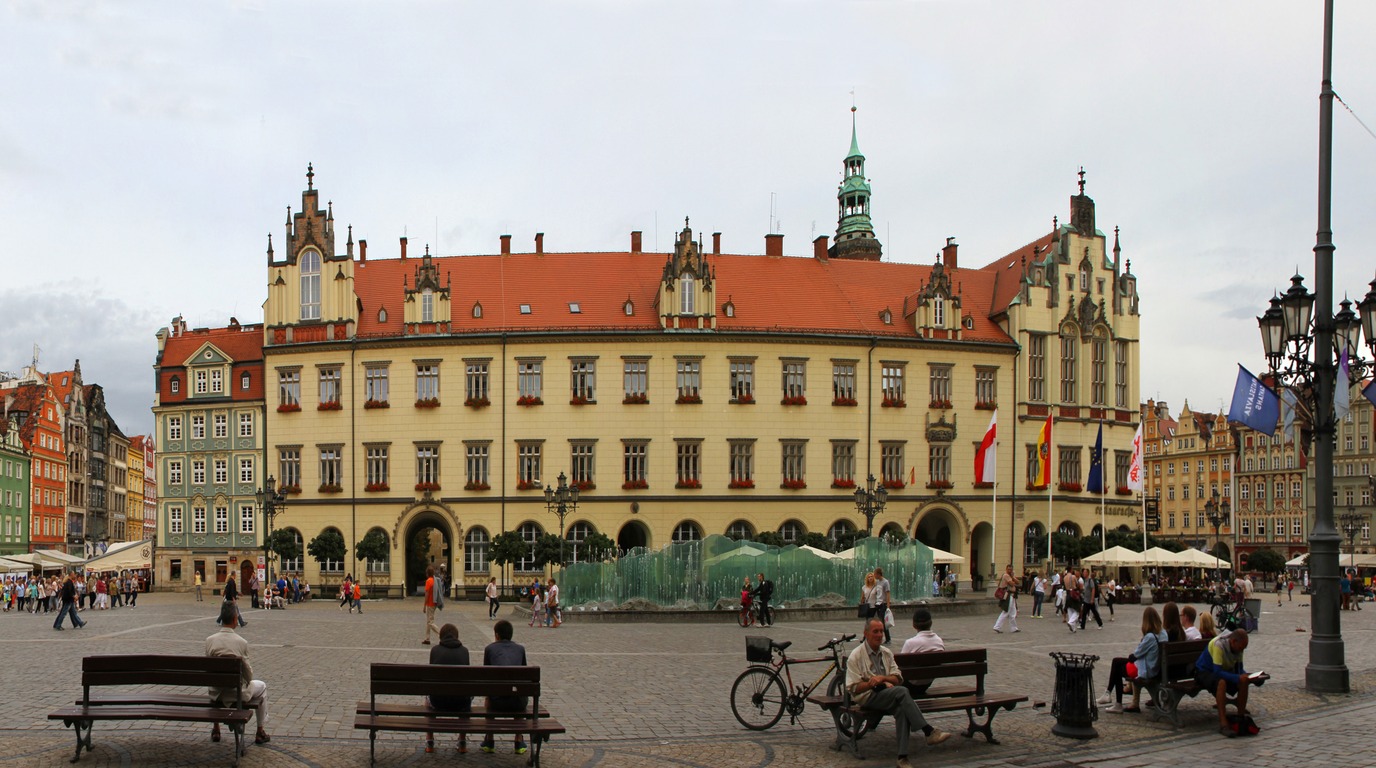
Brimming with a unique cultural heritage shaped over centuries by Polish, Bohemian, Austrian, and Prussian rulers, Wrocław offers an astonishingly rich 48-hour winter weekend itinerary. Over two unhurried days, you can hunt for legendary bronze gnomes hidden along historic alleyways, cross the emerald wrought-iron Tumski Bridge where medieval lamplighters still hand-ignite gas lamps in top hats, climb the dizzying Penitent Bridge connecting Gothic church towers, and thaw out beside warm tile stoves in subterranean beer taverns over hearty platters of pillowy Silesian dumplings and dark spiced gingerbread.
Why Wrocław in Winter Is Pure Magic
- One of Europe’s Largest & Most Colorful Town Squares: Wrocław’s 3.8-hectare Rynek is surrounded by dozens of candy-colored patrician mansions that look especially dazzling when dusted with fresh winter snow and festive fairy lights.
- The Living Lamplighter of Ostrów Tumski: Every single evening at dusk, a cloaked lamplighter walks the quiet stone alleys of Cathedral Island with a long pole to manually illuminate 102 historic gas streetlamps, creating a magical Victorian atmosphere.
- Whimsical Bronze Gnome Trail: Over 600 unique miniature bronze dwarfs (Krasnale)—commemorating the peaceful anti-communist Orange Alternative movement—populate doorways, lampposts, and windowsills, making urban winter strolls an addictive scavenger hunt.
- Exceptional Silesian Culinary Value: Rich regional delicacies, craft breweries, and boutique apartments inside 16th-century townhouses are available at a fraction of Western European capital prices.
Silesian Winter Weather & Essential Packing Guide
Wrocław enjoys one of the milder microclimates in Poland thanks to the protective arc of the Sudetes mountains to the south. Average daytime winter temperatures range between -1°C and 4°C (30°F to 39°F), dropping below freezing after dark. Snow flurries occur regularly throughout December, January, and February, giving the Gothic brickwork and river bridges a storybook finish. Daylight lasts from approximately 7:45 AM until 4:00 PM in midwinter.
- Insulated Waterproof Walking Boots: Navigating the cobblestone alleys of the Rynek, bridge staircases, and island pathways requires sturdy footwear with reliable rubber grip to handle icy patches.
- Wind-Resistant Winter Parka: A warm, down-filled coat with a protective hood shields against crisp river breezes that sweep along the Odra embankments.
- Breathable Thermal Base Layers: Merino wool tops and leggings keep your body temperature balanced during brisk outdoor dwarf hunting while preventing overheating in heated bistros.
- Warm Knit Hat & Touchscreen Gloves: Essential gear for keeping hands comfortable while snapping photos of dwarfs and historic bridges throughout the day.
The Perfect 48-Hour Wrocław Winter Weekend Itinerary
Day 1: Market Square Wonders, Hansel & Gretel Houses & Penitent Bridge
Begin your morning in the sprawling Market Square (Rynek), centering on the monumental 13th-century Old Town Hall (Stary Ratusz), an extraordinary Gothic masterpiece featuring ornate stone pinnacles, gargoyles, and an astronomical clock. Spot the two connected medieval houses known as “Jaś i Małgosia” (Hansel and Gretel) guarding the entrance to St. Elizabeth’s Garrison Church. Look down at your feet to spot Papa Dwarf, the first bronze gnome installed in the city.
Walk around the corner to the historic Salt Square (Plac Solny), where local florists sell vibrant flowers 24 hours a day even in sub-zero winter temperatures. Next, climb to the Penitent Bridge (Mostek Pokutnic)—a high footbridge suspended 45 meters above the ground connecting the twin towers of St. Mary Magdalene Church. The winter panorama over the terracotta rooftops and Odra river loops is breathtaking. End your day inside Piwnica Świdnicka, the oldest operating restaurant in Europe (dating to 1273), enjoying a foaming mug of local dark beer and Silesian beef roulade.
Day 2: Ostrów Tumski, Tumski Bridge & The Royal University Quarter
Start your second day exploring the University Quarter. Tour the magnificent University of Wrocław, founded in 1702 by Austrian Emperor Leopold I. Step inside the Aula Leopoldina, the largest and most pristine secular Baroque hall in Poland, adorned with gilded stucco, marble columns, and lavish ceiling frescoes. Climb the Mathematical Tower for an expansive northern lookout over the islands.
In the late afternoon, cross the emerald green Tumski Bridge (Most Tumski) onto Ostrów Tumski, the oldest inhabited core of the city. As twilight descends, watch for the mysterious cloaked lamplighter making his rounds with a glowing flame. Marvel at the soaring twin Gothic spires of the Cathedral of St. John the Baptist, explore the silent cloisters, and stop by a local bakery for freshly baked gingerbread cookies (Wrocławskie pierniki) and warm spiced mead.
Silesian Feasts & Traditional Winter Comfort Food
Silesian gastronomy is famous for its hearty, robust dishes designed to sustain workers through bitter central European winters, blending Slavic traditions with German and Bohemian flavors.

- Kluski Śląskie: Pillowy potato dumplings made from mashed potatoes and potato starch, instantly recognizable by the small thumbprint depression pressed into the center to hold rich dark gravy. Incredibly chewy and tender, they are the ultimate Silesian comfort carb.
- Rolada Śląska: Thinly pounded prime beef rolled around seasoned bacon lardons, spicy mustard, finely diced onions, and pickled gherkins, slow-braised for hours until fork-tender in a deeply flavorful red wine broth.
- Modra Kapusta: Sweet-and-sour braised red cabbage cooked with smoked bacon, diced tart apples, cloves, and a splash of vinegar. The mandatory vegetable accompaniment to any authentic Silesian winter dinner.
- Wrocławski Grzaniec & Pierniki: Savor fragrant cups of mulled wine spiced with oranges, cloves, and honey, paired with traditional gingerbread cookies baked in intricate wooden molds inspired by ancient guild recipes.
The Whimsical Dwarfs (Krasnale) of Wrocław
Nowhere else in Europe do myth, folklore, and political resistance collide as charmingly as in Wrocław’s beloved dwarf population.

The dwarfs originated in the 1980s when the underground “Orange Alternative” movement used surrealist humor and dwarf graffiti to protest totalitarian communist censorship. In 2001, the city commemorated the movement with a bronze dwarf statue on Świdnicka street. Since then, local artists and businesses have added over 600 unique bronze figurines. During winter strolls, you will encounter dwarfs riding miniature pigeons, pulling tiny fire engines, washing clothes by the river, or asleep on windowsills—frequently dressed by affectionate locals in miniature hand-crocheted woolen hats and scarves to shield them from the cold.
Cathedral Island & The Lamplighter Tradition
Ostrów Tumski is the spiritual heart of Wrocław, settled since the 10th century and retaining an air of sacred quietude that feels almost monastic once evening descends.

Entering Ostrów Tumski over the painted green wrought-iron Tumski Bridge feels like crossing an invisible boundary into the 19th century. Motor vehicles are restricted, meaning the only sounds in the winter night are the chiming cathedral bells and the gentle hum of gas lamps. The Cathedral of St. John the Baptist features magnificent stained glass, Poland’s largest church pipe organ, and an elevator to the tower deck providing an unmatched panoramic vantage over the Odra River bridges.
Practical Logistics: Transport, Rail Links & Local Tips
- Arriving from Wrocław Airport (WRO): Located 10 km west of the center, the airport is connected to the Central Train Station (Wrocław Główny) via express bus line #106 every 20 minutes for under €1.20. Taxi and ride-hailing services (Bolt/Uber) take 25 minutes and cost around €10 to €15.
- Navigating the City: Wrocław’s modern blue tram and bus network makes getting between neighborhoods seamless. Contactless payment is integrated directly inside every vehicle—simply tap your bank card against the ticket machine inside the tram.
- Currency & Payments: Poland uses the Polish Złoty (PLN). Digital wallets and card payments are accepted virtually everywhere, from museum ticketing desks to quiet coffeehouses.
- Day Trip Tip: Książ Castle (Zamek Książ): Located one hour south by direct regional train in Wałbrzych, Książ Castle is the third-largest castle in Poland. Perched dramatically on a rocky promontory in the Owl Mountains surrounded by snow-draped beech forests, it offers a legendary winter day trip steeped in wartime mystery and royal opulence.
Frequently Asked Questions
Is Wrocław worth visiting in winter?
Yes, Wrocław is one of the most charming winter city breaks in Europe. Its magnificent market square, unique lamplighter tradition on Cathedral Island, whimsical bronze dwarfs, and cozy cellar dining make it an unforgettable 48-hour escape.
How many days do you need in Wrocław?
A 48-hour weekend (2 full days) is the sweet spot to comfortably explore the Market Square, hunt for dwarfs, climb church tower viewpoints, tour the historic University halls, and spend an atmospheric evening on Ostrów Tumski.
What is the best traditional meal to try in Wrocław?
You cannot leave without ordering authentic Silesian dumplings (Kluski Śląskie) served alongside slow-cooked beef roulade (Rolada Śląska) and sweet-and-sour red cabbage (Modra Kapusta), followed by traditional gingerbread.
Pin This Wrocław Winter Guide for Later
Planning your fairytale winter weekend in Poland? Save this pin to your Pinterest travel board so you have all the best dwarf-spotting routes, cathedral viewpoints, and Silesian tavern tips right at your fingertips!
Leave a Comment