
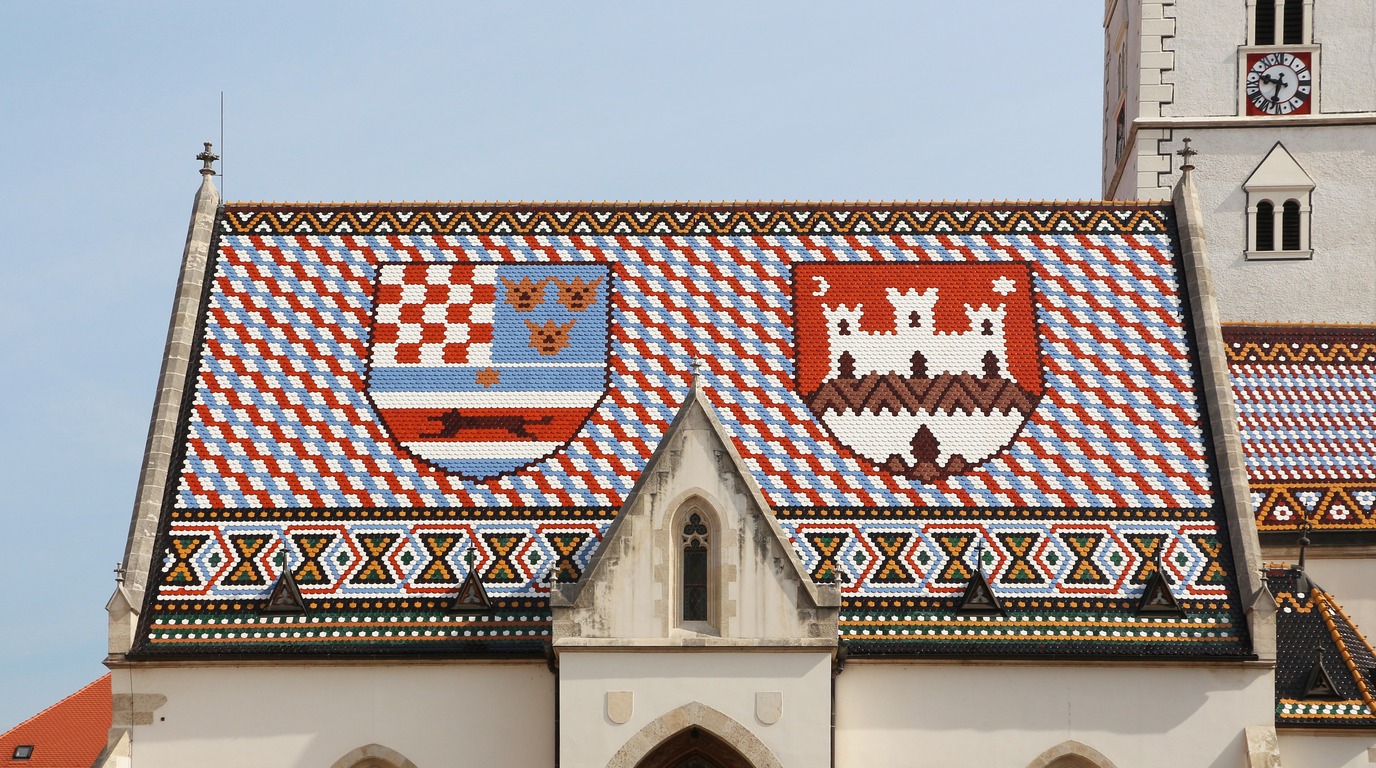
Nestled along the wooded slopes of Mount Medvednica on the banks of the Sava River, Croatia’s cosmopolitan capital offers one of Central Europe’s most captivating and atmospheric cold-weather city breaks. While summer travelers flock strictly to the Dalmatian coastline, winter reveals Zagreb’s true soul: a romantic, Austro-Hungarian enclave where ancient gas lamps flicker along the cobblestones of Gornji Grad (Upper Town), snow dusts the iconic tiled heraldic roof of St. Mark’s Church, and the comforting aromas of bubbling baked cottage cheese štrukli, spiced mulled wine, and roasted chestnuts drift through lively squares.
Repeatedly voted Europe’s premier winter destination during its world-renowned holiday season, Zagreb retains its enchanting festive atmosphere and vibrant cafe culture throughout the entire cold season. Across a perfectly curated 48-hour weekend, you can ride the world’s shortest public funicular up to medieval ramparts, hear the thunderous noon cannon blast from the 13th-century Lotrščak Tower, stroll through the subterranean WWII tunnels beneath the old city, explore quirky avant-garde museums, and warm up beside ceramic tile stoves in historic taverns over hearty Croatian mountain specialties.
Why Zagreb in Winter Is Pure Magic
- World-Class Winter & Holiday Atmosphere: Zagreb’s winter squares are legendary for their fairytale illumination, outdoor ice-skating ribbons at King Tomislav Square, and bustling wooden chalet markets serving artisanal treats.
- Authentic Living Gas-Lit Upper Town: Gornji Grad remains one of the few places in the world where municipal lamplighters still walk the cobblestone alleys at dusk to manually ignite over two hundred historic gas lamps.
- Thriving Indoor Cafe & Museum Culture: From the universally acclaimed Museum of Broken Relationships to traditional coffeehouses where locals practice the leisurely art of špica (weekend social coffee rituals), winter weather is an invitation to indulge.
- Incredible Value & Accessibility: As an EU capital that operates smoothly outside the hyper-inflated summer resort prices, Zagreb provides exceptional boutique hospitality, top-tier gastronomy, and cultural access at budget-friendly rates.
Winter Weather & Essential Packing Guide
Zagreb experiences a moderate continental winter. Average temperatures range from -2°C to 5°C (28°F to 41°F), with occasional crisp snowfalls transforming the surrounding parks and medieval hills into white canvases. While temperatures are generally milder than the Baltic capitals, damp mountain air from Mount Medvednica means quality layering is vital for comfortable outdoor exploring. Daylight lasts from approximately 7:30 AM to 4:45 PM.
- Water-Resistant Walking Boots: Upper Town’s sloping cobblestones, ancient stone stairs, and park trails require sturdy footwear with excellent rubber traction to navigate damp or frosty surfaces safely.
- Windproof Winter Coat: A medium-to-heavy insulated parka or wool overcoat shields against chilly breezes while exploring open viewpoints along the Strossmayer Promenade.
- Breathable Thermal Base Layers: Moisture-wicking merino wool tops and leggings keep you warm during walking tours while preventing overheating inside heated cafes and cozy cellar bistros.
- Knit Scarf, Beanie & Touchscreen Gloves: Essential winter accessories to keep ears and hands protected while photographing historic architecture across the city.
The Perfect 48-Hour Zagreb Winter Weekend Itinerary
Day 1: Upper Town Fortresses, St. Mark’s & Subterranean History
Begin your morning in Ban Jelačić Square, the bustling heart of Lower Town (Donji Grad). Walk past the equestrian monument to the base of Tomićeva street and board the historic Zagreb Funicular (Uspinjača)—operating continuously since 1890 and covering a track of just 66 meters to connect Lower and Upper Town in 64 seconds. Step out at the base of Lotrščak Tower precisely before 12:00 PM to witness the daily Grič cannon blast, a tradition honoring the city’s defense against the Ottoman Empire that has sounded every noon since 1877.
Stroll through the Strossmayer Promenade for panoramic views across the red roofs of Zagreb. Head into St. Mark’s Square to marvel at St. Mark’s Church, whose roof features glazed tiles depicting the coat of arms of the Triune Kingdom of Croatia, Slavonia, and Dalmatia, alongside the emblem of Zagreb. Tour the evocative Museum of Broken Relationships inside an 18th-century baroque palace. In the late afternoon, walk down through the Stone Gate (Kamenita Vrata)—the miraculous medieval shrine where locals light candles in prayer—and explore the dramatic 350-meter Grič Tunnel running beneath the Upper Town hill.
Day 2: Dolac Market, Sacred Kaptol & Forest Winter Excursions
Start your second day exploring Dolac Market, the famous open-air farmers market nicknamed the “Belly of Zagreb.” Even on crisp winter mornings, local vendors gather under bright red Šestine umbrellas to sell artisanal cheeses, smoked pršut, fresh honey, and winter pickles. Step into the market’s enclosed ground floor to sample freshly baked breads and regional dairy treats.
Walk north toward Kaptol to admire the twin neo-Gothic spires of Zagreb Cathedral, soaring 108 meters into the winter sky. In the afternoon, stroll down vibrant Tkalčićeva street, a pedestrian thoroughfare lined with colorful 19th-century houses, craft beer bars, and modern coffee spots. If you desire a touch of alpine wilderness, catch tram #14 and the Sljeme Cable Car to the summit of Mount Medvednica (1,033m), where thick pine forests, snowy ski runs, and rustic alpine huts serving hot bean stews and mountain herbal schnapps await just 20 minutes from the city center.
Must-Try Winter Flavors & Traditional Croatian Comfort Food
Continental Croatian cuisine reflects deep Central European, Austro-Hungarian, and Slavic roots, emphasizing melted regional cheeses, hearty meats, sour cabbage, and flaky pastry that warm you from the inside out.

- Zagorski Štrukli: The undisputed culinary crown jewel of northern Croatia, recognized on the country’s register of intangible cultural heritage. Thin sheets of pulled dough are rolled around a filling of fresh cow’s milk cottage cheese, eggs, and sour cream, then baked in a piping-hot ceramic dish until the top forms a golden, caramelized crust (or boiled in salted broth).
- Sarma: Tender fermented sour cabbage leaves rolled around seasoned ground pork and beef with rice, slow-simmered for hours in a rich paprika broth with smoked ribs and bacon. The ultimate winter holiday meal across Croatia.
- Čobanac: A fiery, slow-cooked shepherd’s stew originating from the Slavonia region, prepared with three varieties of meat, generous lashings of spicy red paprika, and served with crusty country bread.
- Kuhano Vino & Rakija: Warm up in evening squares with fragrant mulled red or white wine infused with cloves and orange peels, or sip traditional medica (honey brandy) or šljivovica (plum rakija) as a traditional winter digestive.
Upper Town Heritage: Funicular, Cannon & Stone Gates
Zagreb’s dual historical roots—the defensive fortress hill of Gradec and the ecclesiastical hill of Kaptol—give the Upper Town an architectural intimacy and historical depth unmatched by newer European capitals.

Riding the iconic blue carriage of the funicular costs just €0.66, making it not only a beloved historical landmark but one of the most accessible heritage rides in Europe. Once at the top, Lotrščak Tower provides an exceptional viewpoint. Built in the mid-13th century to guard the southern gate of the Gradec town wall, its thick stone walls and narrow stairs lead to an observation deck offering sweeping views from the rooftops of the historic core all the way south across the Sava River to Novi Zagreb.
Sacred Spires & the Mystique of Kaptol
While Gradec was the secular merchant fortress, its neighboring hill of Kaptol has served as the ecclesiastical center of the Roman Catholic Church in Croatia since 1094.

The Cathedral of the Assumption of the Blessed Virgin Mary is the tallest sacral building in Croatia. Rebuilt in magnificent neo-Gothic style by architect Hermann Bollé after the devastating earthquake of 1880, its soaring twin spires dominate the city skyline. Surrounding the cathedral are remarkably intact 16th-century Renaissance defensive walls and circular bastions built to repel Ottoman incursions. In winter twilight, the monumental stone portico, illuminated fountains, and quiet cathedral gardens create a deeply spiritual and serene oasis in the center of the capital.
Practical Logistics: Transport, Currency & Winter Excursions
- Arriving from Franjo Tuđman Airport (ZAG): Located 15 km southeast of the center, the airport is linked to the Central Bus Station (Autobusni Kolodvor) via direct airport shuttle buses (Pleso Prijevoz) running every 30 minutes for €8. From the bus station, tram lines #6 runs straight to Ban Jelačić Square in under 10 minutes.
- Navigating the City: Zagreb’s extensive blue tram network (ZET) is clean, punctual, and inexpensive. A standard 30-minute ticket costs approximately €0.53. However, virtually all major attractions across Donji Grad, Gornji Grad, and Kaptol are easily reached on foot.
- Currency & Payments: Croatia adopted the Euro (€) as its official currency. Credit cards and digital wallet payments (Apple Pay, Google Pay) are accepted almost everywhere; keeping small coins on hand is useful for public restrooms and fresh produce at Dolac Market.
- Day Trip Tip: Samobor Medieval Town: Just 25 km west of Zagreb lies the romantic medieval town of Samobor, known for its ruined 13th-century hilltop castle, winding streams, and world-famous Samoborska kremšnita (warm, velvety vanilla custard cream cake). Frequent local buses reach Samobor in 35 minutes.
Frequently Asked Questions
Is Zagreb worth visiting in the winter months?
Yes, Zagreb is one of Europe’s premier winter destinations. Its cozy cafe culture, award-winning holiday atmosphere, gas-lit Upper Town, and proximity to alpine skiing on Mount Medvednica make it an outstanding 48-hour winter escape.
How long do you need in Zagreb for a winter trip?
A 48-hour weekend (2 full days) is the ideal amount of time to leisurely explore both the Upper and Lower Towns, visit top museums like the Museum of Broken Relationships, sample regional specialties, and enjoy an excursion up Mount Medvednica.
What is the best traditional food to try in Zagreb in winter?
Baked Zagorski štrukli (cottage cheese pastry baked with cream) is an absolute must-try, alongside savory sarma (sauerkraut cabbage rolls), čobanac meat stew, and warm roasted chestnuts sold on street corners.
Pin This Zagreb Winter Guide for Later
Planning an unforgettable winter weekend in Croatia? Save this pin to your Pinterest board so you have all the best Upper Town viewpoints, traditional tavern recommendations, and packing tips ready for your trip!
Leave a Comment