
Perched majestically on a rocky plateau overlooking the dark currents of the Danube River, Slovakia’s pocket-sized capital comes into its own when winter blankets the Little Carpathians in snow. As frost glazes the copper onion domes of the Old Town and the white rectangular towers of Bratislava Castle illuminate against an indigo evening sky, this former coronation city of Hungarian kings transforms into an atmospheric, crowd-free winter wonderland where medieval alleyways smell of roasted chestnuts, cinnamon mulled wine, and garlic-rubbed potato flatbreads.
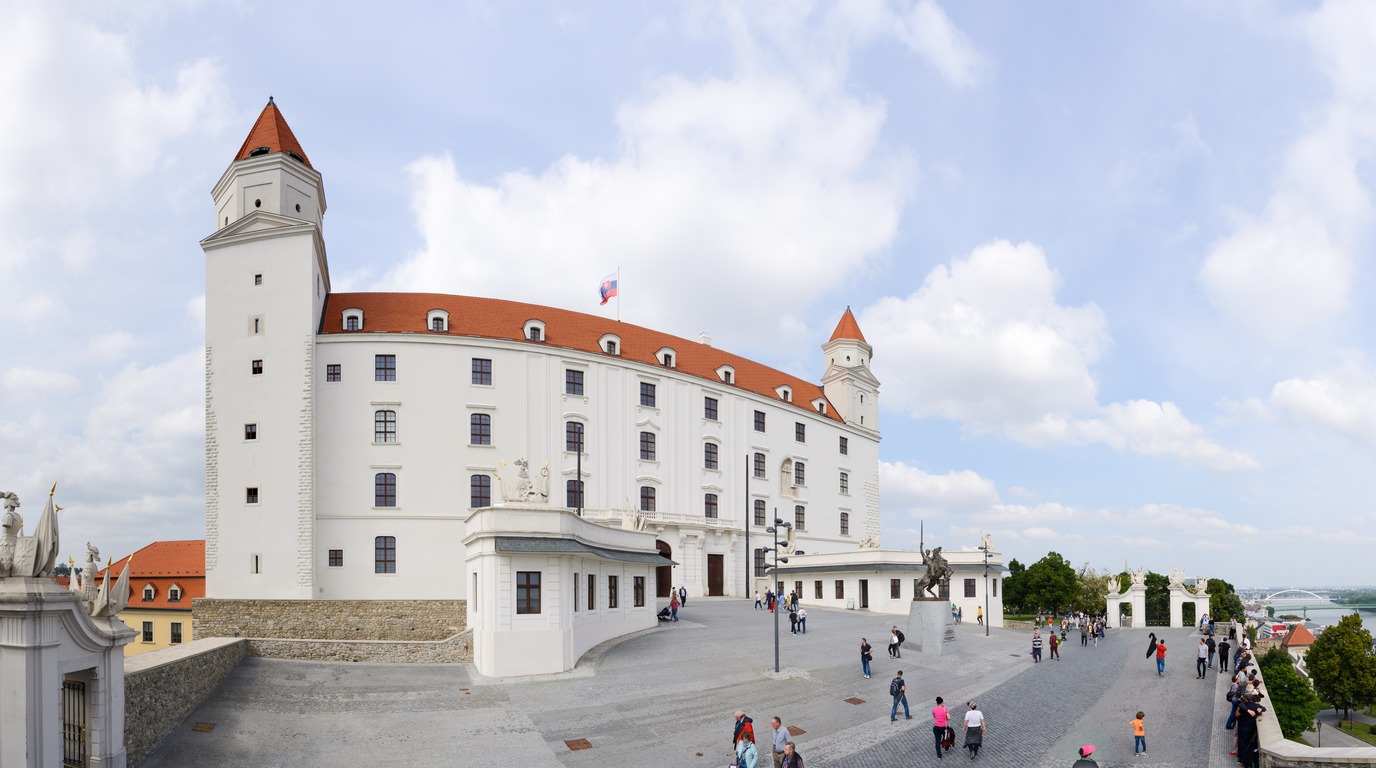
Bratislava is one of Central Europe’s most delightfully walkable and underrated capitals. Situated just an hour from Vienna yet preserving its own distinctive Slovak charm and deeply affordable hospitality, it offers the ultimate 48-hour cold-weather city break. Over a single winter weekend, you can stroll through ancient Gothic barbicans, explore baroque palaces dusted with powder, gaze across the borders of three countries from futuristic riverside observation decks, and warm up in candlelit subterranean beer halls over piping-hot bowls of sheep cheese dumplings.
Why Bratislava in Winter Is Pure Magic
- Intimate, Completely Walkable Scale: Unlike sprawling capitals, Bratislava’s historic core (Staré Mesto) is entirely pedestrianized and wonderfully compact. You can wander effortlessly between palaces, museums, and cozy cafes without ever needing public transport.
- Tranquil Off-Season Charm: With summer cruise crowds departed, the cobblestone lanes of Michalská and Ventúrska belong to locals. You can photograph Michael’s Gate and the Main Square in serene silence, surrounded only by falling snowflakes.
- Subterranean Wine Cellars & Craft Breweries: Slovakia boasts an ancient winemaking tradition dating back to Roman times. In winter, historic vaulted cellars carved directly beneath baroque palaces open their heavy wooden doors to serve local Frankovka Modrá red wine and craft lagers.
- Exceptional Central European Value: Enjoying a lavish three-course meal with local wine, staying in boutique palace hotels, and accessing historic museums costs a fraction of prices in neighboring Vienna or Munich.
Winter Weather & Essential Packing Guide
Winter along the Danube River valley brings crisp, brisk conditions. Daytime temperatures typically hover between -2°C and 4°C (28°F to 39°F), dropping below freezing after sunset. River breezes from the Danube can make temperatures feel distinctly colder, particularly when crossing bridges or standing atop Castle Hill. Daylight lasts from approximately 7:45 AM until 4:30 PM, making early starts ideal for sightseeing.
- Thermal Underlayers: A high-quality merino wool or synthetic thermal base layer is essential for staying toasty during extended walking tours through shaded medieval alleys.
- Wind-Resistant Winter Parka: Opt for a well-insulated, down-filled coat with windproof outer fabric to block the chilly drafts that sweep along the Danube riverfront.
- Grip-Tread Waterproof Boots: The Old Town’s ancient cobblestones and the winding stone staircase up to the castle can become slippery with light snow or morning frost. Lug-soled boots ensure secure footing.
- Warm Headwear & Touchscreen Gloves: A fleece-lined knit beanie and insulated gloves allow you to capture photos along the castle ramparts without exposing your fingers to biting winds.
The Perfect 48-Hour Bratislava Winter Weekend Itinerary
Day 1: Castle Heights, Royal Coronations & Historic Cellars
Begin your morning climbing the scenic Castle Steps (Zámocké schody) leading up from the riverbank to Bratislava Castle (Bratislavský hrad). Explore the baroque castle courtyard and step onto the southern ramparts for an expansive winter view looking across the Danube, the iconic UFO Bridge (Most SNP), and the snowy Austrian plains in the distance. Tour the History Museum inside the castle to see the Crown Tower, where the Hungarian royal crown jewels were guarded for two centuries.
Descend into the Old Town through Beblavého street and visit St. Martin’s Cathedral (Dóm sv. Martina), the solemn Gothic cathedral where 19 Hungarian monarchs, including Empress Maria Theresa, were crowned. Stroll down Ventúrska street, stopping at an artisan coffeehouse for a slice of traditional Bratislavské rožky (crescent pastries filled with sweet walnut or poppy seed paste). In the afternoon, explore the Main Square (Hlavné námestie), admire Roland’s Fountain, and look for quirky bronze street statues like Čumil the sewer worker peeking out from beneath a manhole cover.
Day 2: Michael’s Gate, The Fairy-Tale Blue Church & UFO Tower
Start your second day passing under Michael’s Gate (Michalská brána), the last remaining medieval gate of the city’s 14th-century fortifications. Climb the 51-meter tower to visit the Museum of Weapons and step onto the narrow wooden balcony for an unbeatable vantage point overlooking the terracotta roofs of the Old Town. Continue your morning walk through the neoclassical Primate’s Palace (Primaciálny palác), admiring its pastel pink facade and rare 17th-century English tapestries.
In the early afternoon, take a 10-minute stroll eastward to the Church of St. Elizabeth, universally known as the Blue Church (Modrý kostolík). With its powder-blue ceramic tiles, organic curved lines, and fairy-tale Art Nouveau architecture, it looks astonishing against a blanket of white snow. Cross the Danube via the pedestrian walkway of Most SNP in the late afternoon to reach the UFO Tower observation deck, where you can watch the sunset over the frozen Danube while sipping a signature cocktail at 95 meters above the river.
Slovak Comfort Food & Traditional Winter Dishes
Slovak culinary traditions are rooted in hearty, farm-to-table mountain sustenance designed to sustain workers through harsh Carpathian winters. When the temperature drops, nothing satisfies quite like an authentic Slovak feast.

- Bryndzové Halušky: The undisputed national dish of Slovakia. Small, tender potato dumplings are tossed fresh from the boiling pot with creamy, tangy bryndza (unpasteurized sheep’s milk cheese produced in the central highlands) and crowned with a generous spoonful of crispy, sizzling smoked bacon lardons.
- Kapustnica: A robust, deeply flavored winter soup brewed from fermented sauerkraut, smoked pork knuckles, dried forest mushrooms, prunes, and spicy klobása sausage. Served piping hot with crusty rye sourdough, it is the quintessential holiday comfort soup.
- Lokše: Thin potato flatbreads dry-baked on a hot skillet, brushed with melted goose or duck fat, and served savory (rolled around sauerkraut and minced liver) or sweet (dusted with ground poppy seeds and sugar).
- Hriatô & Tatratea: For an authentic winter digestif, try hriatô, a traditional warm liquor made with honey, caramelized sugar, bacon cracklings, and high-proof distillate, or sip herbal liqueur like Tatratea to banish winter chills.
Michael’s Gate & Medieval Fortifications
Guarding the northern entrance to Old Bratislava for over six centuries, Michael’s Gate is the defining architectural symbol of the city’s medieval heritage.

Constructed in the early 14th century and later crowned with its current copper baroque roof and a statue of Saint Michael slaying the dragon, this gate was the ceremonial entrance for Hungarian royals arriving for their coronation ceremonies. Under the gate’s arched passageway, look for the famous “Kilometer Zero” brass ring embedded in the pavement, marking the exact distances to dozens of global capitals. The surrounding cobblestone streets feature some of the best preserved Renaissance facades in Slovakia, now home to intimate tea houses, bookshops, and wine cellars.
Architectural Wonders: The Fairy-Tale Blue Church
While Bratislava is celebrated for its Gothic and Baroque heritage, its early 20th-century Hungarian Secessionist architecture is equally captivating—epitomized by the world-famous Blue Church.

Designed by renowned Hungarian architect Ödön Lechner (often described as the “Hungarian Gaudí”) and consecrated in 1913, the Church of St. Elizabeth is a masterclass in organic Art Nouveau styling. Both the exterior stucco and the glazed roof tiles are painted in striking pastel blue shades, accented with floral majolica ceramics and gold leaf. Stepping inside reveals a dreamy interior of curved blue benches and stained-glass windows depicting Saint Elizabeth dispensing bread to the poor. In winter, when the surrounding residential gardens are quiet and powdered with snow, the church resembles a confectionary palace straight out of a storybook.
Practical Logistics: Transport, Currency & Day Trips
- Arriving from Vienna Airport (VIE): Most international travelers fly into Vienna Schwechat Airport, which is located just 45 km west of Bratislava. Direct Slovak Lines or RegioJet buses run every 30 minutes from outside the Vienna terminal directly to Bratislava Central Bus Station (Nivy) in just 45 minutes for €5 to €10.
- Navigating the City: Staré Mesto is virtually car-free and easily navigated on foot. If you wish to visit outer attractions like Devín Castle or Slavín War Memorial, modern red trolleybuses and trams accept contactless bank card payments directly on board.
- Currency & Payments: Slovakia uses the Euro (€). Credit and debit cards are universally accepted across hotels, restaurants, and museums, though carrying small euro coins is useful for cloakrooms and public facilities.
- Day Trip Tip: Devín Castle: Located just 12 km west of the center at the confluence of the Danube and Morava rivers, the clifftop ruins of Devín Castle offer dramatic views across the Austrian border. In winter, the misty river valleys and dramatic limestone crags make it an unforgettable half-day excursion.
Frequently Asked Questions
Is Bratislava worth visiting in winter?
Yes, Bratislava is an ideal winter destination. Its compact historic center, vibrant cafe culture, affordable high-end dining, and romantic castle views make it one of Central Europe’s most rewarding and stress-free cold-weather weekend breaks.
Can you do a day trip from Vienna to Bratislava in winter?
While a day trip is easy via frequent 60-minute regional trains, spending a full 48-hour weekend allows you to experience the castle illuminated at night, explore the subterranean wine bars, and enjoy the city without feeling rushed.
How cold is Bratislava in December and January?
Winter temperatures typically range between -3°C and 4°C (26°F to 39°F). Snow falls periodically throughout December, January, and February, creating beautiful scenic conditions without causing severe transport disruptions.
Pin This Bratislava Winter Guide for Later
Planning a Danube winter getaway? Save this pin to your Pinterest board so you have all the best castle viewpoints, historic gate walks, and Slovak comfort food tips ready whenever you need them!
Leave a Comment