
Flanked by the icy inlets of the Baltic Sea where the historic Motława River flows past seven centuries of Hanseatic maritime heritage, Poland’s principal seaport transforms into one of Northern Europe’s most spellbinding cold-weather destinations during the winter months. When sea mists swirl through the arches of the Green Gate, dusting the gabled facades of Długi Targ in powdery snow and sending the golden glow of wrought-iron lanterns spilling across centuries-old cobblestones, Gdańsk sheds its bustling summer maritime crowds to reveal an intimate, deeply romantic Baltic fairytale.
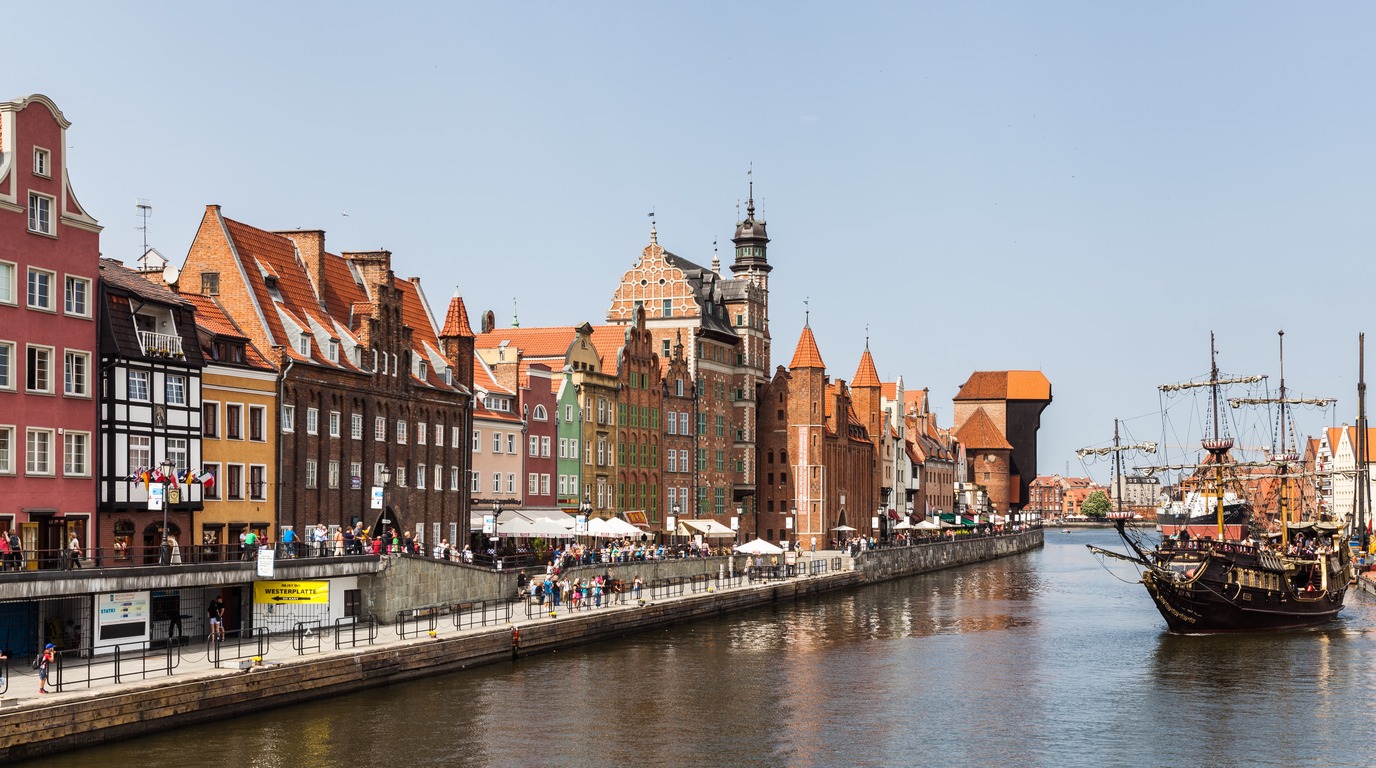
As the historic world capital of amber and a proud member of the medieval Hanseatic League, Gdańsk offers an exquisite blend of Flemish and Polish architecture that feels tailor-made for an unhurried 48-hour winter weekend. Within two days, you can stand beneath the blackened timber machinery of Europe’s largest preserved medieval port crane, stroll down the atmospheric amber workshops of Mariacka Street with sculpted gargoyle drainspouts, admire the bronze stature of Neptune on the Royal Way, and warm your bones in cozy cellar milk bars over steaming platters of handmade pierogi and spiced honey mead.
Why Gdańsk in Winter Is Pure Magic
- Crowd-Free Hanseatic Splendor: In winter, you can wander the Long Market (Długi Targ) and waterfront boardwalk in peaceful contemplation, admiring ornate Renaissance frescoes and stepped gables without the summer tour groups.
- The World Capital of Amber: Winter storms on the Baltic Sea stir the seabed and wash natural raw amber nuggets onto nearby beaches. Mariacka Street’s cozy subterranean boutiques showcase master artisans carving prehistoric fossilized resin under warm yellow lights.
- Unrivaled Value for Luxury & Dining: From boutique waterfront hotels converted from 16th-century granaries to Michelin-recommended Baltic seafood dining, Gdańsk offers exceptional European quality at deeply accessible prices.
- Magical Tri-City Winter Coastal Excursions: The frequent SKM commuter train links Gdańsk to Sopot in just 20 minutes, allowing you to walk Europe’s longest wooden pier extending into the frozen, foaming Baltic waves.
Baltic Winter Weather & Essential Packing Guide
Located on the southern Baltic coast, Gdańsk experiences crisp maritime winters. Average daytime temperatures range between -2°C and 4°C (28°F to 39°F), but maritime winds sweeping across the Gulf of Gdańsk can make it feel substantially colder. Frost and snow showers occur frequently, giving the red-brick churches and river quays an enchanting winter mantle. Daylight lasts from roughly 7:45 AM until 3:50 PM in midwinter, making early mornings ideal for outdoor photography.
- Windproof & Water-Repellent Down Parka: Coastal Baltic gusts require a heavy parka with wind-stopping shell fabric, thermal insulation, and a deep fleece-lined hood.
- Insulated Waterproof Boots: The Old Town’s extensive pedestrian cobblestone alleys and riverside boardwalks can become slick with frost or morning slush. Deep-tread rubber soles are essential.
- Merino Wool Thermal Layers: High-grade base layers ensure comfortable core warmth when standing along the riverbank while allowing breathability when entering cozy cafes and heated museums.
- Fleece-Lined Beanie, Scarf & Gloves: Thermal accessories to protect your extremities from biting coastal winds while exploring open promenades.
The Perfect 48-Hour Gdańsk Winter Weekend Itinerary
Day 1: The Royal Way, Neptune’s Court & River Motława Quays
Begin your morning passing through the monumental Upland Gate and Golden Gate onto Długa Street, the start of the historic Royal Route where Polish monarchs once processed into the city. Marvel at the pastel merchant facades with elaborate friezes, gold leaf details, and Dutch-style gables. Arrive in Długi Targ (Long Market) to admire the Main Town Hall and the bronze Neptune Fountain, which has stood as the maritime guardian of Gdańsk since 1633.
Step through the arched Green Gate directly onto the waterfront promenade of Długie Pobrzeże along the Motława River. Gaze across the water to Granary Island (Wyspa Spichrzów), where ancient grain warehouses have been transformed into sleek modern dining spots. Follow the quay north to the Żuraw—the monumental 15th-century wooden crane that lifted two-ton cargo and stepped ship masts using giant human treadwheels. Warm up inside an ambient riverside cafe with a cup of hot spiced mulled wine (grzaniec galicyjski) before dining in a historic vaulted cellar.
Day 2: Mariacka Amber Street, St. Mary’s Basilica & Frozen Baltic Shores
Start your second day exploring Mariacka Street (Ulica Mariacka), universally acclaimed as one of the most picturesque cobblestone streets in Europe. Lined with terraced stone porches (przedproża), ornate wrought-iron railings, and whimsical stone rain gargoyles spitting winter runoff, it is lined with traditional amber workshops showcasing polished Baltic amber jewelry. At the western end of the street, step into St. Mary’s Basilica (Bazylika Mariacka)—the largest brick church in the world, capable of sheltering 25,000 worshippers—and admire its famous 15th-century astronomical clock.
In the afternoon, board the local SKM commuter train for a 20-minute ride to the elegant seaside resort of Sopot. Walk down Bohaterów Monte Cassino to Sopot’s historic wooden pier (Molo), stretching 511 meters into the chilly Baltic Sea. Walking along the snow-dusted planks as winter waves crash against the pylons under an icy pastel sunset is an unforgettable sensory experience. Return to Gdańsk for an evening feast of piping-hot pierogi and slow-braised duck in cherry sauce.
Must-Try Winter Flavors & Traditional Polish Comfort Food
Polish cuisine is revered for its hearty, comforting richness, designed to bring people together around warm tables during cold Baltic winter evenings.

- Handmade Pierogi: Poland’s iconic culinary masterpiece. Silky, tender pasta dough pockets stuffed with a variety of rich winter fillings: Ruskie (whipped potatoes, tangy quark cheese, and onions), slow-braised pork and wild mushrooms, or sweet curd cheese with wild Baltic bilberries.
- Żurek w Chlebku: A soul-warming sour rye soup brewed with fermented rye starter, chunks of spicy white sausage (biała kiełbasa), smoked bacon, and hard-boiled eggs, served bubbling inside a hollowed loaf of crusty sourdough rye bread.
- Baltic Herring (Śledź po Kaszubsku): Fresh Baltic herring marinated in spiced vinegar, tomato puree, sweet caramelized onions, and allspice—a cherished regional Kashubian delicacy that pairs perfectly with chilled Polish vodka.
- Goldwasser: Gdańsk’s legendary historic herbal liqueur, distilled since 1598 with over twenty herbs and spices (anise, cardamom, cinnamon, clove) and flecked with floating flakes of real 22-karat gold leaf.
The Royal Way & Hanseatic Architecture
For centuries, Gdańsk functioned as a semi-autonomous city-state under the protection of the Polish Crown, amassing staggering wealth through its monopoly on Baltic grain and timber exports.

Nowhere is this civic pride more palpable than around Neptune’s Fountain on Długi Targ. Erected in 1633, the bronze sea god faces the windows of Polish royalty with his trident lowered in respect. Behind the fountain stands Artus Court (Dwór Artusa), once the exclusive meeting salon for wealthy Hanseatic merchant guilds, housing an 11-meter-tall Renaissance tiled heating stove. In winter twilight, when the surrounding townhouses are lit with holiday garlands, the entire square feels like an open-air architectural gallery.
The Amber Coast: Mariacka Street & Brick Gothic Giants
Baltic amber—often called “the gold of the north”—has been gathered along the shores of the Gulf of Gdańsk since antiquity, traded along ancient Roman routes and prized for its luminous warmth.

Walking down Mariacka Street in the winter mist is an enchanting journey back in time. The street’s distinctive elevated porches were designed to protect homes from seasonal river flooding, and each is adorned with carved stone dragon heads and grotesque water gargoyles. In winter, entering the cozy, basement-level amber workshops allows you to watch master jewelers polish honey-, butter-, and cherry-colored amber into exquisite modern heirlooms.
Practical Logistics: Transport, Tri-City Trains & Local Tips
- Arriving from Gdańsk Lech Wałęsa Airport (GDN): Situated 12 km west of the center, the airport is linked to Gdańsk Główny station via frequent PKM commuter trains in 25 minutes for under €1.50. Alternatively, Bolt and Uber rides cost around €10 to €15 directly to your Old Town accommodation.
- Exploring the Tri-City (Trójmiasto): Gdańsk, Sopot, and Gdynia form a seamless metropolitan coastal area connected by the yellow-and-blue SKM commuter rail. Trains run every 10 to 15 minutes, making spontaneous winter day trips to Sopot’s pier or Gdynia’s seaside cliffs effortless.
- Currency & Payments: Poland uses the Polish Złoty (PLN). Contactless card and mobile payments (Apple Pay, Google Pay) are accepted universally across restaurants, ticket machines, museums, and cafes.
- Day Trip Tip: Malbork Castle: Just 30 minutes south by direct PKP Intercity train lies Malbork Castle, the largest brick fortress complex on Earth, built by Teutonic Knights in the 13th century. Touring its frozen moats, grand refectories, and medieval heating systems in winter snow is awe-inspiring.
Frequently Asked Questions
Is Gdańsk worth visiting in the winter?
Yes, Gdańsk is one of Europe’s most magical winter secrets. The combination of Dutch-style Hanseatic canals, rich Baltic comfort dining, amber artisan workshops, and uncrowded cobblestones makes it a premier 48-hour winter getaway.
How cold is Gdańsk in January and February?
Average temperatures range between -3°C and 3°C (26°F to 37°F). While winter brings freezing breezes from the Baltic Sea, proper windproof coats and warm footwear make walking along the quays very comfortable.
What is the best area to stay in Gdańsk for a winter break?
Stay in the Main Town (Główne Miasto) or along Granary Island (Wyspa Spichrzów), where you are within a two-minute walk of historic river quays, top restaurants, and cozy cellar wine bars.
Pin This Gdańsk Winter Guide for Later
Planning your Baltic winter city break? Save this pin to your Pinterest travel board so you have all the best Hanseatic viewpoints, cozy pierogi restaurants, and amber shopping tips ready whenever you need them!
Leave a Comment