
Guarding the eastern entrance to Scotland’s Great Glen where the rushing waters of the River Ness meet the icy tidal currents of the Beauly Firth, the official Capital of the Highlands is never more evocative than in the depths of winter. When dusting snow cloaks the heather-clad peaks of the surrounding glens, frost glazes the suspension footbridges along the riverbanks, and woodsmoke billows from stone chimney pots into the crisp sub-Arctic air, Inverness transforms into the ultimate romantic refuge for travelers seeking wild Highland drama and roaring peat fires.
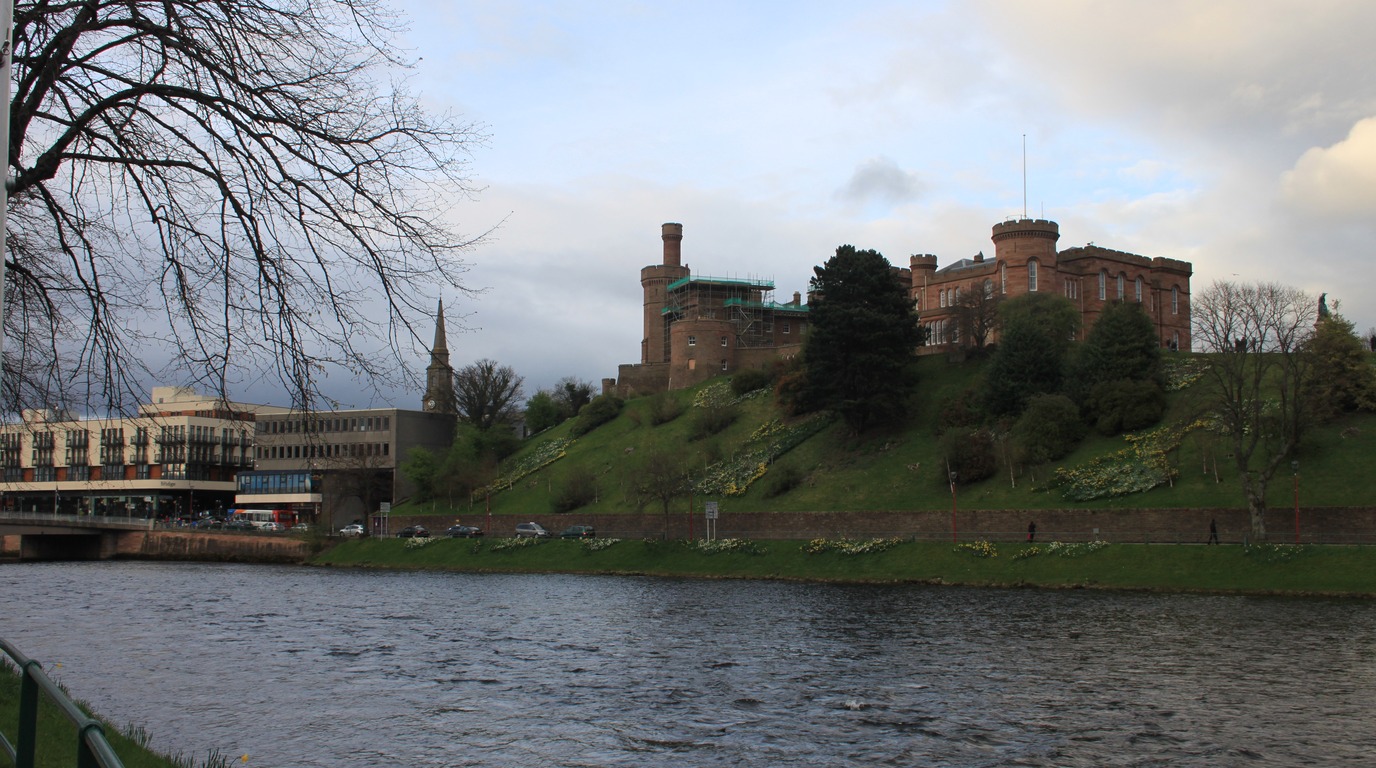
Far removed from the congested summer tourist season, a 48-hour winter weekend in Inverness delivers an authentic, soul-stirring Scottish escape. Within two short days, you can stand amidst the mystical silence of Culloden Moor dusted in snow, gaze across the brooding, ink-black depths of Loch Ness from the windswept ramparts of Urquhart Castle, wander through charming Victorian arcades, and spend candlelit evenings tucked inside centuries-old taverns listening to live fiddle music while warming your spirits with rare single malt whiskies.
Why Inverness in Winter Is Pure Magic
- Untamed Highland Scenery Without the Crowds: The dramatic landscapes of Glen Affric, the Black Isle, and Loch Ness are peaceful and unhurried in winter, allowing you to experience Scotland’s legendary wilderness in profound solitude.
- The Cozy Warmth of Highland Pub Culture: From historic coaching inns to snug whisky bars along Church Street, Inverness pubs excel at cold-weather comfort, featuring crackling open hearths, cask ales, and spontaneous Gaelic folk sessions.
- Crisp, Golden Winter Light: Low-angled northern sunlight casts long shadows across the red sandstone castle and glazes the loch waters in dramatic hues of copper, violet, and deep indigo throughout the day.
- Stargazing & Northern Lights Potential: Due to northern latitude (57.47° N) and minimal light pollution outside the immediate town, crisp winter nights frequently offer dazzling starry skies and occasional displays of the Aurora Borealis (the “Mirrie Dancers”).
Highland Winter Weather & Essential Packing Guide
Winter in the Scottish Highlands is notoriously unpredictable, marked by rapid shifts between crisp winter sunshine, sea mists, and passing snow squalls. Average daytime temperatures range from 1°C to 6°C (34°F to 43°F), often dipping below freezing at night. Daylight hours are limited (roughly 8:30 AM sunrise to 3:45 PM sunset in midwinter), so prioritizing morning outdoor activities is essential to make the most of the daylight.
- Waterproof & Windproof Shell Jacket: Highland precipitation can fall as rain, sleet, or snow. A breathable, seam-sealed Gore-Tex shell with an adjustable storm hood is non-negotiable.
- Thermal Merino Wool Base Layers: High-grade thermal tops and bottoms regulate body temperature during windswept loch excursions while remaining breathable inside heated pubs.
- Sturdy Waterproof Hiking Boots: Wet heather, slushy castle grounds, and cobbled alleyways demand waterproof boots with deep lugged rubber outsoles for dependable grip.
- Warm Highland Wool Accessories: A thick Scottish lambswool scarf, fleece-lined beanie, and waterproof insulated gloves provide vital protection against biting loch winds.
The Perfect 48-Hour Inverness Winter Weekend Itinerary
Day 1: Inverness Castle, Ness Islands & Historic Pubs
Begin your morning on Castle Hill, admiring the red sandstone fortress of Inverness Castle and enjoying sweeping panoramic views across the River Ness to the snow-tipped hills beyond. Stroll down through the historic town center to browse the charming indoor stalls of the Victorian Market, constructed in 1890, where local artisans sell Harris Tweed garments, artisanal fudge, and handcrafted Celtic jewelry under ornate cast-iron rafters.
In the afternoon, embark on the quintessential Inverness winter walk: follow the leafy riverside path south to the Ness Islands. A network of picturesque Victorian footbridges connects these natural wooded islands nestled in the center of the rushing river. Surrounded by giant Scots pines, firs, and snow-draped weeping willows, it feels like a secluded forest sanctuary just minutes from town. Finish your evening at The Gellions—the oldest pub in Inverness dating back to 1841—enjoying a hearty dinner and traditional live Scottish music.
Day 2: Culloden Battlefield, Loch Ness & Urquhart Castle
Dedicate your second morning to the poignant history of Culloden Battlefield, located just 15 minutes east of the city. Walking through the stark, snow-dusted moorland where the Jacobite Rising of 1745 met its tragic end is a deeply moving experience. The world-class visitor center offers remarkable immersion into Highland clan warfare and cultural history.
Afterward, travel southwest along the scenic A82 highway bordering Loch Ness to Urquhart Castle. Perched on a rocky promontory jutting into the deepest waters of the loch, this ruined medieval fortress offers breathtaking vistas across the misty waters. Climb the Grant Tower to look out over the brooding expanses where monster folklore was born. Return to Inverness by twilight to settle into The Malt Room, an intimate hidden whisky den serving over three hundred rare Scottish malts and curated tasting flights.
Highland Comfort Food & Traditional Winter Fare
Traditional Scottish gastronomy is tailor-made to combat cold winds and damp mountain mists, focusing on rich local game, fresh North Sea fish, root vegetables, and soul-warming stews.

- Cullen Skink: Scotland’s legendary coastal comfort dish. This thick, luxurious soup is made with oak-smoked haddock (Finnan haddie), tender diced tatties (potatoes), caramelized onions, and rich fresh cream, served steaming with warm crusty soda bread and salted butter.
- Haggis, Neeps & Tatties: Scotland’s national culinary pride. Savory, peppery minced lamb with oats and spices, served alongside buttery mashed yellow turnips (neeps) and potatoes (tatties), traditionally drenched in a decadent single malt whisky cream sauce.
- Highland Venison Casserole: Wild red deer venison slow-braised for hours in rich Scottish stout with juniper berries, winter root vegetables, and rosemary, delivering deeply comforting, earthy flavors.
- Hot Toddy: The ultimate winter beverage. A generous dram of peated Highland single malt whisky stirred with boiling water, raw heather honey, fresh lemon juice, and a whole cinnamon stick to banish evening chills instantly.
Mystical Waters: Loch Ness & Urquhart Castle
Containing more freshwater than all the lakes of England and Wales combined, Loch Ness stretches for 37 kilometers across the fault line of the Great Glen, plunging to depths of over 230 meters.

In the quiet of winter, the loch takes on a mystical, almost ethereal atmosphere. Low winter fog often hangs suspended above the dark, peaty water, which never freezes due to its immense depth and internal thermal currents. Urquhart Castle, which witnessed over a thousand years of tumultuous history before being deliberately blown up in 1692 to prevent its capture by Jacobite forces, provides a dramatic vantage point for exploring the battle-scarred keep, prison cells, and historic stone trebuchet.
Historic River Crossings & Victorian Charm
The River Ness is the living spine of the city, flowing swiftly from Loch Ness into the Moray Firth and flanked by handsome grey granite townhouses, cathedrals, and ornamental footbridges.

Among the city’s most beloved architectural treasures is the Greig Street Bridge. Built in 1881, this delicate wire-suspension pedestrian bridge spans 61 meters across the river and gently bounces as you walk across. In winter, illuminated by festive string lights that reflect across the dark current toward the twin towers of St. Andrew’s Cathedral, it offers one of the most romantic evening walks anywhere in Scotland.
Practical Logistics: Transport, Rail Passes & Tips
- Arriving via the Caledonian Sleeper: One of the world’s most iconic rail journeys connects London Euston directly to Inverness overnight. Boarding your sleeper cabin in central London and waking up as the train glides through snow-frosted Highland glens into Inverness station is an unforgettable travel experience.
- Air Connections: Inverness Airport (INV) sits just 15 km northeast of the city and offers direct flights from London Heathrow, Amsterdam Schiphol, and Belfast, with direct train links connecting the airport terminal to Inverness Station in just 15 minutes.
- Highland Road Conditions: Major routes like the A9 and A82 are prioritized for gritters and snow clearing, but rural glen roads can develop black ice. If renting a car, request winter-rated all-season tires and check Traffic Scotland updates before setting out.
- Currency & Payments: Scotland uses the British Pound (£), including Scottish banknotes issued by the Bank of Scotland, Royal Bank of Scotland, and Clydesdale Bank. Contactless card payments are accepted virtually everywhere.
Frequently Asked Questions
Is Inverness worth visiting during the winter months?
Absolutely. Winter is one of the most magical times to explore Inverness. Without summer tour bus crowds, you experience the genuine warmth of Highland hospitality, peaceful loch shores, snow-dusted castles, and cozy pub evenings by the fire.
Can you visit Loch Ness in winter?
Yes, Urquhart Castle and Loch Ness visitor facilities remain open year-round. Scenic winter boat cruises operate regularly with heated indoor cabins, providing spectacular perspectives of the surrounding snow-dusted mountain ridges.
Does it snow heavily in Inverness?
Inverness benefits from a coastal maritime climate that moderates extreme snowfall in the town itself, typically receiving light to moderate snow showers. However, the surrounding Highland peaks and glens are frequently covered in thick snow throughout January and February.
Pin This Inverness Winter Guide for Later
Planning your dream Scottish Highlands escape? Save this pin to your Pinterest travel board so you have all the best castle viewpoints, loch itineraries, and cozy whisky tavern tips ready whenever you need them!
Leave a Comment