
Bathed in the warm golden glow of antique street lanterns and crisp winter twilight, Antwerp stands as Belgium’s undisputed capital of style, diamond craftsmanship, and timeless Flemish heritage. While summer draws crowds across northern Europe, winter strips away the bustle to reveal Antwerp at its most atmospheric: 16th-century guildhalls with gilded Renaissance statues rising dramatically above the Grote Markt, the soaring 123-meter gothic spire of the Cathedral of Our Lady piercing misty winter skies, atmospheric brown cafes scented with slow-braised beef stew, and the monumental marble grandeur of Antwerp-Centraal—widely hailed as the most magnificent railway cathedral on earth.
An easy 45-minute direct train ride from Brussels and just under an hour from Rotterdam, Antwerp is tailor-made for a cozy winter weekend break. Because the city seamlessly weaves grand historic institutions with world-renowned contemporary fashion, diamond trading ateliers, and celebrated culinary culture, cold days provide the perfect excuse to duck between heated vaulted cellars, opulent museum galleries housing masterworks by Peter Paul Rubens, and bustling artisan chocolatiers. Whether you are savoring hot Flemish beef stew slow-cooked in Trappist ale, hunting for vintage treasures in the Kloosterstraat, or admiring centuries of diamond cutting in the historic Diamond Quarter, 48 hours in winter reveals a deeply intimate, sophisticated side of Flanders that most travelers never get to experience.
Why Antwerp in Winter Is Pure Magic
- World’s Most Breathtaking Railway Arrival: Stepping off the train into Antwerpen-Centraal feels like entering a royal palace. Designed by Louis Delacenserie, its monumental 75-meter glass-and-steel dome, marble colonnades, and sweeping grand staircase make it one of the most stunning architectural welcomes anywhere in the world.
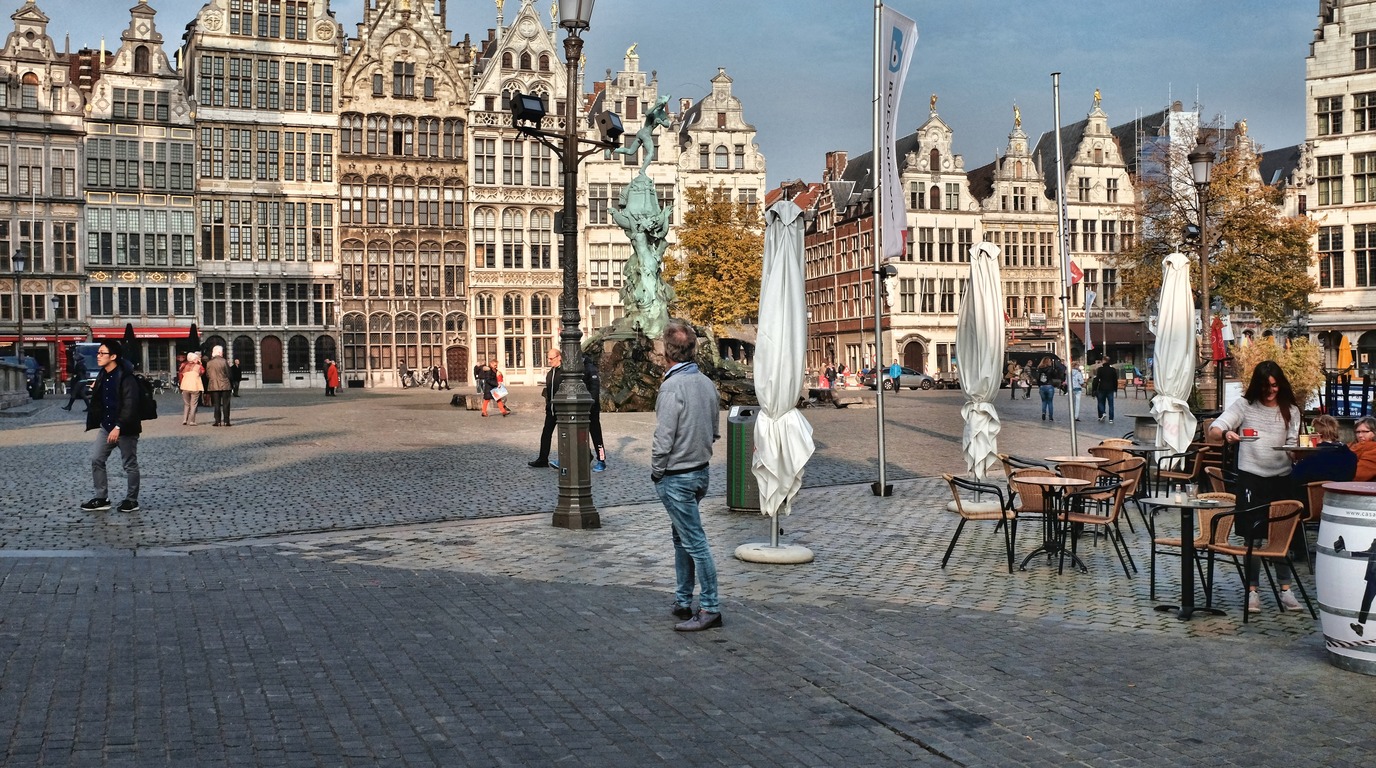
- Gilded Renaissance Splendor in Grote Markt: Antwerp’s central market square surrounded by 16th-century guildhalls—topped with gleaming gilded statues of knights, eagles, and saintly patrons—takes on a fairytale quality when illuminated against frosty winter nights.
- The Rubens Artistic Legacy: As the home and workshop of baroque mastermind Peter Paul Rubens, Antwerp preserves his monumental masterpieces inside the Cathedral of Our Lady, St. Paul’s Church, and the Royal Museum of Fine Arts (KMSKA).
- The Global Diamond Capital: Over 80% of the world’s rough diamonds pass through Antwerp’s historic Diamond Square Mile (Diamantkwartier). In winter, the district hums with generational jewelers, diamond cutters, and fascinating trade heritage.
- Unrivaled Winter Gastronomy: Belgium’s culinary mastery comes alive in winter with piping-hot stoofvlees, twice-fried crisp frites served with rich artisanal mayonnaise, steaming sugar-crusted Liège waffles, and centuries of Trappist monastic brewing traditions.
Flemish Winter Weather & Essential Packing Guide
Antwerp experiences a maritime Western European climate during the winter months of December through February. Average daytime temperatures range between 3°C and 7°C (37°F to 45°F), dropping near 0°C (32°F) during crisp, clear evenings. While heavy snowfall is rare, misty drizzles and brisk breezes sweeping inland from the Scheldt River mean sensible layering is essential. Daylight lasts from approximately 8:20 AM to 4:50 PM, making early mornings and twilight strolls particularly rewarding.
- Insulated Wool Overcoat or Technical Shell: A tailored wool coat or warm waterproof jacket with a windproof lining is ideal for moving comfortably between outdoor walking tours and heated indoor cafes.
- Sturdy Walking Boots: Antwerp’s historic center features cobblestones, brick alleyways, and paved squares. Water-resistant leather boots with thick rubber soles ensure all-day comfort and stability.
- Warm Knit Beanie, Scarf & Leather Gloves: Essential for open waterfront walks along the Scheldt River and taking in views from the open roof terrace at the MAS museum.
- Compact Travel Umbrella: Flanders is known for passing winter showers; keeping an ultra-light umbrella in your daypack ensures seamless sightseeing.
The Perfect 48-Hour Antwerp Winter Weekend Itinerary
Day 1: The Railway Cathedral, Diamond Quarter & Historic Grote Markt
Begin your morning arriving at Antwerpen-Centraal. Spend time admiring the lavish Neo-Baroque multi-tiered hall and vaulted iron platform roofs before strolling straight into the adjacent Diamond District (Diamantkwartier). Peer into century-old jewelers’ display windows along Hoveniersstraat and Pelikaanstraat, where diamond merchants and Hasidic traders have conducted business for centuries. Head west along the pedestrianized Meir shopping avenue, popping inside the lavish former Royal Palace (Paleis op de Meir) for artisanal chocolate pralines crafted on-site at The Chocolate Line.
By early afternoon, reach the historic heart: the Grote Markt. Admire the Renaissance Stadhuis (City Hall) and the iconic Brabo Fountain depicting the mythological Roman soldier Silvius Brabo tossing the severed hand of the giant Antigoon into the Scheldt River—the folklore origin of the name “Antwerpen” (hand-werpen or “hand-throwing”). Warm up inside the awe-inspiring Cathedral of Our Lady (Onze-Lieve-Vrouwekathedraal), standing in silence before Rubens’ towering triptychs, including The Elevation of the Cross and The Descent from the Cross. Conclude Day 1 in a traditional Flemish brown cafe (bruin café), savoring a slow-cooked beef stew and an amber De Koninck ale poured into its signature stemmed ‘Bolleke’ glass.
Day 2: Royal Museum of Fine Arts (KMSKA), Fashion & River Scheldt Sunset
Start your second day exploring the trendy Het Zuid neighborhood, visiting the freshly restored Royal Museum of Fine Arts Antwerp (KMSKA). Wander through world-class galleries contrasting 500 years of historic masterworks (Fouquet, Van Eyck, Rubens) with modernist gems by James Ensor and Rik Wouters. Walk through the Nationalestraat, the epicenter of Antwerp fashion where the famous “Antwerp Six” designers (Dries Van Noten, Ann Demeulemeester) placed the city on the global haute couture map. Browse high-end boutiques and antique stores along Kloosterstraat.
As late afternoon sets in, make your way north to the revitalized docks of Het Eilandje. Visit the Museum aan de Stroom (MAS), riding the glass escalator through ten floors of Flemish maritime history to reach the open-air rooftop. Take in sweeping 360-degree panoramic views over the winding Scheldt River, illuminated port cranes, and the historic church spires glowing against the winter twilight. Wrap up your weekend with a walk through the 1930s tiled St. Anna’s Pedestrian Tunnel beneath the river before dining on fresh North Sea fish and artisanal Belgian waffles.
Must-Try Flemish Comfort Food & Artisanal Brews
Winter in Flanders is an extraordinary culinary experience. Built on slow-cooking traditions, rich game, artisanal dairy, and centuries of monastic brewing, Flemish winter food is deep, comforting, and intensely satisfying.

- Stoofvlees (Carbonnade Flamande): The crown jewel of Belgian comfort food. Succulent cubes of beef chuck are braised for four to five hours in dark Trappist or abbey ale, caramelized onions, brown sugar, bay leaves, and a slice of crustless sourdough bread thickly coated in sharp Dijon mustard, which melts into the broth to create a velvety, sweet-and-savory mahogany gravy. Traditionally served with a piping-hot cornet of double-fried Belgian frites and mayonnaise.
- Belgian Frites (Fritkot Culture): Far superior to standard french fries, Belgian frites are made from bintje potatoes, cut thick, and fried twice in pure beef tallow until crisp and golden on the outside while cloud-soft inside. Top with a dollop of Andalouse, samurai, or traditional mayonnaise.
- Antwerpse Handjes (Antwerp Hands): Dainty hand-shaped butter shortbread cookies or dark chocolate pralines filled with marzipan or Elixir d’Anvers herbal liqueur, celebrating the Brabo giant folklore.
- De Koninck ‘Bolleke’ Ale: Antwerp’s native city beer, brewed since 1833. A smooth, copper-colored pale ale with hints of caramel and malt, traditionally served in a round stemmed chalice glass known locally as a “Bolleke.”
Architectural Marvel: Antwerpen-Centraal & The Diamond Quarter
Few buildings on earth command as much reverence upon first sight as Antwerp Central Station, affectionately known as the “Spoorwegkathedraal” (Railway Cathedral).

Commissioned by King Leopold II and completed in 1905, Antwerpen-Centraal combines more than twenty different types of marble and stone with an enormous iron-and-glass train shed designed by engineer Clément Van Bogaert. When rain or snow sweeps over the glass roof, the light streaming down onto the four distinct underground train levels creates a dramatic cinematic spectacle. Step directly from the station into the Diamond Quarter, where four square blocks house the world’s most concentrated exchange of polished gems, rough stones, and high-security trading bourses.
Gothic Majesty: Cathedral of Our Lady & Grote Markt Secrets
Dominating the Antwerp skyline from almost every vantage point, the Cathedral of Our Lady is a masterpiece of Brabantine Gothic architecture that took nearly two centuries to construct.

Step through the heavy oak doors into a soaring nave bathed in soft candle glow and natural northern light. The cathedral operates not only as a working sanctuary but as a sanctuary of fine art, home to four supreme works by Peter Paul Rubens. Outside in the Handschoenmarkt square, look for the tender marble statue of “Nello and Patrasche,” the boy and his faithful dog from the beloved 1872 novel A Dog of Flanders, sleeping peacefully carved beneath a stone cobblestone blanket.
3 Insider Tips for Visiting Antwerp in Winter
1. Seek Out the Secret Medieval Alleyways (Vlaeykensgang): Tucked away off the Oude Koerier and Pelgrimstraat lies the Vlaeykensgang, a hidden 16th-century alleyway that once housed the city’s shoemakers and bell-ringers. In winter, this cobblestone oasis feels completely separated from modern city life, with whitewashed cottage walls, climbing ivy, gas lanterns, and antique wooden benches.
2. Ride the Wooden Escalator in St. Anna’s Tunnel: Built in 1933 to link the right bank to the left bank of the Scheldt River without blocking shipping traffic, the Sint-Annatunnel features vintage wooden escalators manufactured by OTIS that remain in continuous operation. Ride down 31 meters underground and walk through the gleaming white tiled pedestrian tube to the Left Bank (Linkeroever) for the most breathtaking view of Antwerp’s historic skyline at dusk.
3. Warm Up with a Bolleke in a Historic Bruin Café: Skip tourist traps and seek out genuine historic drinking establishments like Café Den Engel on the Grote Markt (operating since 1903) or In ‘t Aepjen. Order a freshly poured Bolleke of De Koninck or a Westmalle Tripel accompanied by a small plate of aged gouda cubes with celery salt and mustard.
Where to Stay & How to Get Around in Winter
- Historic Center (Historisch Centrum): Ideal for first-time visitors who want to step out straight into the Grote Markt, Cathedral square, and atmospheric restaurants. Everything is within a five-minute walk.
- Het Zuid (The South): Perfect for travelers who appreciate trendy fashion boutiques, contemporary art galleries, wider Parisian-style boulevards, and cutting-edge wine bistros.
- Navigating the City: Antwerp is an eminently walkable destination. For longer trips between Centraal Station, Het Zuid, and the MAS museum in Het Eilandje, the De Lijn tram network runs frequently and reliably. Contactless payment or mobile ticketing via the De Lijn app makes getting around effortless.
Frequently Asked Questions
Is Antwerp worth visiting in winter?
Absolutely. Antwerp is one of northern Europe’s most rewarding winter destinations. Because its primary highlights—world-class museums (KMSKA, MAS, Plantin-Moretus), historic churches, diamond workshops, fashion boutiques, and cozy brown cafes—are predominantly indoors, cooler weather only enhances the atmosphere without hindering sightseeing.
How many days are needed in Antwerp for a winter weekend break?
A 48-hour itinerary (2 full days and nights) provides the ideal balance to explore Antwerpen-Centraal, the Grote Markt, the Cathedral of Our Lady, the KMSKA fine arts museum, and the waterfront port district without rushing.
How easy is it to reach Antwerp from other European capitals?
Antwerp is exceptionally well connected. High-speed Eurostar (formerly Thalys) and IC trains connect Antwerp Central directly to Brussels (45 minutes), Rotterdam (35 minutes), Amsterdam (1 hour 15 minutes), and Paris (2 hours), making it one of the most accessible weekend destinations in Europe.
Pin This Antwerp Winter Guide
Planning an unforgettable winter city break to Belgium? Save this 48-hour Antwerp itinerary to your Pinterest European Travel or Winter Getaways board so you have all the top sights, food tips, and walking routes ready on hand!
Leave a Comment