
Framed by terraced hillside vineyards descending toward the Main River and crowned by the ancient stone ramparts of Fortress Marienberg, Würzburg radiates baroque majesty and Franconian warmth. Renowned as the northern gateway to Germany’s legendary Romantic Road and home to one of Europe’s most opulent UNESCO-listed palaces, this spirited university city welcomes winter travelers with gas-lit cobblestone bridges, the convivial clinking of wine glasses during the beloved *Brückenschoppen* tradition, and the golden mineral brilliance of authentic Franconian Silvaner poured from traditional flat-sided *Bocksbeutel* bottles.
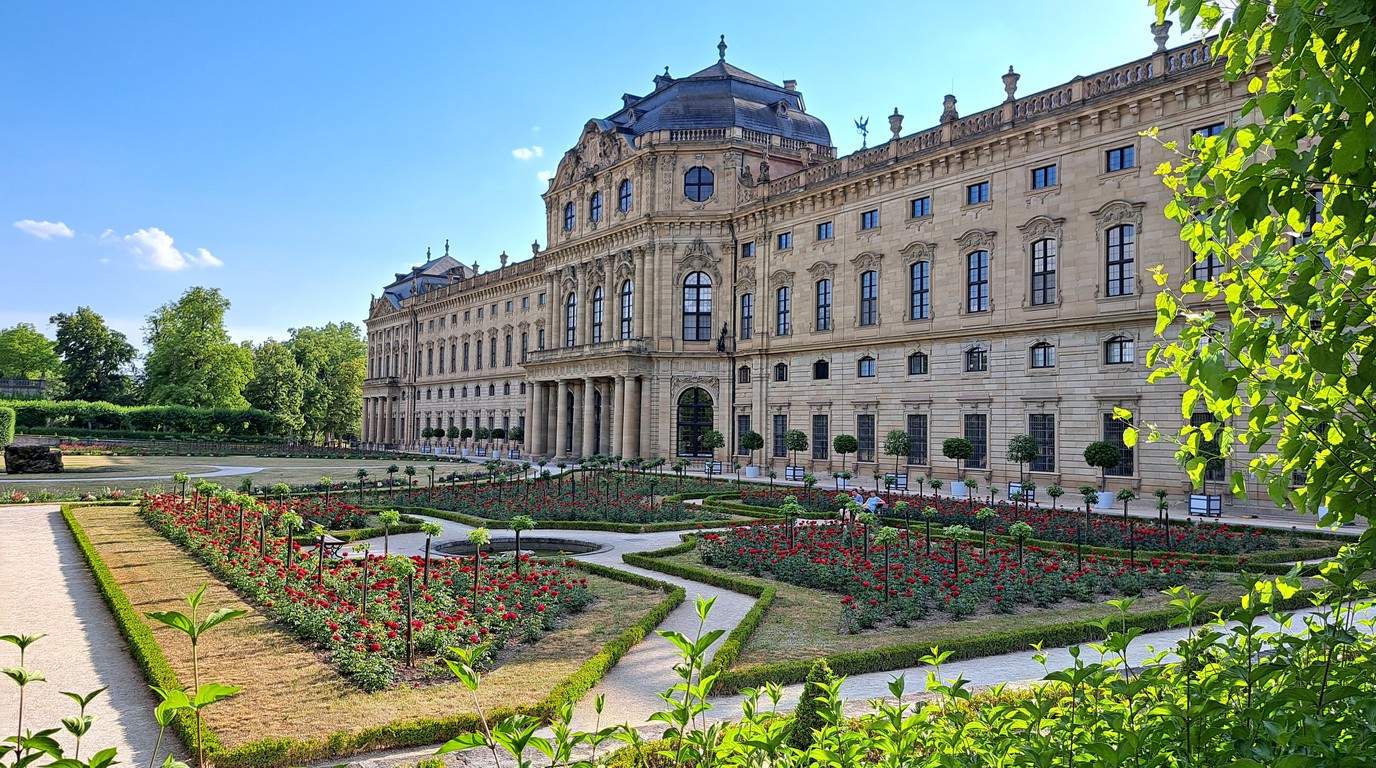
While summer brings river cruise crowds along the Main, Würzburg in winter reveals its most enchanting, relaxed, and intimate soul. Here, master architect Balthasar Neumann and Venetian painter Giovanni Battista Tiepolo created what Napoleon called “the largest parsonage in Europe”—the magnificent Würzburg Residence with the world’s largest unsupported ceiling fresco. From crossing the 500-year-old Old Main Bridge (*Alte Mainbrücke*) with a glass of crisp local vintage in hand to exploring the thousand-year-old cellars of the *Staatlicher Hofkeller* and gazing out across the winter river mists from Marienberg fortress, a 48-hour winter weekend in Würzburg offers an irresistible blend of aristocratic splendor and authentic Bavarian-Franconian comfort.
Why You’ll Love Würzburg in Winter
- The UNESCO Crown Jewel of South Germany: Tour the Würzburg Residence with serene winter intimacy, marveling at Tiepolo’s gigantic ceiling fresco and the dazzling Mirror Cabinet (*Spiegelsaal*).
- The Convivial “Brückenschoppen” Tradition: Sip a glass of crisp white Silvaner directly on the Old Main Bridge while chatting with locals against a backdrop of baroque statues and fortress hills.
- Centuries of Viticultural Royalty: Taste premier Franconian wines from three of Germany’s oldest and largest wine estates: *Bürgerspital*, *Juliusspital*, and the *Staatlicher Hofkeller*.
- Panoramic Fortress Marienberg: Hike or shuttle up to the medieval prince-bishop castle for sweeping winter views across the terracotta rooftops, church towers, and steep vineyard terraces.
Key Winter Highlights & Franconian Savoring

- Franken Silvaner in Bocksbeutel: Franconia’s signature dry white wine, cultivated on steep limestone and shell-chalk slopes, boasting crisp minerality, earthy herbal notes, and bottled in the historic oval *Bocksbeutel*.
- Fränkische Blaue Zipfel: Pork bratwurst sausages gently poached in a seasoned vinegar broth infused with onions, bay leaves, peppercorns, and juniper, served piping hot with crusty sourdough bread.
- Würzburger Meefischli: Crispy, deep-fried tiny river fish caught from the Main, dusted with flour and eaten whole with lemon wedges and regional potato salad.
- Fränkischer Sauerbraten mit Lebkuchensauce: Melt-in-your-mouth braised marinated beef served in a rich dark gravy thickened with crushed Franconian gingerbread (*Lebkuchen*), accompanied by potato dumplings.
48-Hour Würzburg Winter Weekend Itinerary
Day 1: Imperial Baroque Splendor, Historic Cellars & The Old Main Bridge
09:00 AM – The Würzburg Residence & Tiepolo’s Fresco: Start your morning at the magnificent Würzburg Residence (*Residenz*), built between 1720 and 1744. Walk up Balthasar Neumann’s unsupported self-supporting staircase vault to marvel at Giovanni Battista Tiepolo’s 600-square-meter ceiling fresco depicting the four continents. Tour the Imperial Hall (*Kaisersaal*) and the reconstructed Mirror Cabinet (*Spiegelsaal*), lined with hundreds of reverse-painted glass panels.
11:30 AM – Candlelit Hofkeller Wine Vaults: Descend beneath the palace into the *Staatlicher Hofkeller*, an sprawling subterranean wine labyrinth dating back to 1128. Walk past candlelit corridors lined with towering oak casks where prince-bishops stored their tribute wines for centuries.
01:00 PM – The “Brückenschoppen” on the Alte Mainbrücke: Walk westward down Domstraße to the 16th-century Old Main Bridge (*Alte Mainbrücke*). Stop at the bridgehead wine tavern *Alte Mainmühle*, order a glass of dry Silvaner (*ein Schoppen*), and join locals standing along the stone parapet overlooking the river and the imposing Marienberg fortress.

02:30 PM – Würzburg Cathedral (St. Kilian Dom): Step inside the High Cathedral of St. Kilian, Germany’s fourth-largest Romanesque church. Admire the contrast between its austere 11th-century nave, the delicate white stucco work of Pietro Magno, and the stone relief tombs of Prince-Bishops sculpted by Tilman Riemenschneider.
04:30 PM – Marienkapelle & Historic Marktplatz: Explore the vibrant Marktplatz, dominated by the striking red-and-white Gothic Marienkapelle (Chapel of St. Mary) and the ornate Rococo facade of the Falkenhaus with its elaborate stucco scrolls.
07:30 PM – Dinner in a Centuries-Old Weinstube: Savor dinner inside *Bürgerspital Weinstuben* (operating since 1316) or *Juliusspital Weinstuben*, pairing Franconian roast pork shoulder (*Schäufele*) with a reserve Bocksbeutel Silvaner.
Day 2: Fortress Marienberg, Vineyard Trails & Riverfront Romance
09:30 AM – Ascending to Fortress Marienberg: Cross the Old Main Bridge and walk up through the hillside paths or take Bus 9 to Festung Marienberg, which served as the fortified seat of the Prince-Bishops for nearly 500 years. Explore the central castle courtyard, the 8th-century round church of St. Mary, and the 104-meter-deep deep well house.

11:30 AM – The Fürstenbaumuseum: Tour the Prince’s Hall museum within the fortress to view precious Renaissance tapestries, imperial furnishings, and Tilman Riemenschneider’s original sandstone statues.
01:30 PM – Winter Walk along the “Würzburger Stein”: Walk along the scenic vineyard path of the *Würzburger Stein*, Germany’s oldest continuously cultivated vineyard (dating back to 779 AD). Goethe loved the wine from this exact hillside so much he famously wrote that no other vintage tasted right when his Steinwein was gone.
03:30 PM – Käppele Pilgrimage Church: Hike up the Nikolausberg to the *Käppele*, a fairy-tale rococo pilgrimage church with twin onion domes designed by Balthasar Neumann. Step out onto the panoramic terrace for the most romantic sunset view of the entire valley.
07:00 PM – Fireside Evening in the Altstadt: Conclude your weekend break inside *Weinhaus Stachel*, Würzburg’s oldest wine tavern dating back to 1413, toasting your getaway with a glass of rich Spätburgunder (Pinot Noir) beside the hearth.
3 Insider Secrets for Visiting Würzburg in Winter
1. How to Drink the Brückenschoppen in Cold Weather: The bridge wine counter at *Alte Mainmühle* operates even in winter! You order your Silvaner in a real stemmed wine glass (paying a small glass deposit), sip it out on the bridge while soaking in the fortress views, and return the glass when you’re done.
2. Verify the Official Bocksbeutel Seal: Traditional Franconian *Bocksbeutel* bottles are legally protected under EU geographic indication laws. Only high-quality QbA and Prädikat wines from Franconia and parts of Baden may be bottled in this unique squat shape.
3. Hidden Hofgarten Sculptures: The Court Gardens (*Hofgarten*) behind the Residence are free to enter. In winter, the clipped hornbeam hedges and snow-capped baroque sandstone putti by Johann Peter Wagner take on an ethereal, storybook atmosphere.
What to Savor & Historic Weinstuben
- Bürgerspital Weinstuben (Theaterstraße 19): Historic tavern operating since 1316, famous as the original birthplace of Bocksbeutel bottling, serving tender Schäufele and Blaue Zipfel.
- Juliusspital Weinstuben (Juliuspromenade 19): Renowned charitable foundation hospital estate founded in 1576, offering world-class Silvaner and Franconian game specialties.
- Alte Mainmühle (Mainkai 1): Premier riverfront restaurant at the foot of the Old Main Bridge, perfect for casual bridge wine or an upscale riverside dinner.
- Weinhaus Stachel (Gressengasse 1): Würzburg’s oldest wine tavern (established 1413), featuring dark wood-paneled walls and an intimate courtyard.
Practical Winter Travel Logistics & Getting Around
- Arrival & Transit: Würzburg Hauptbahnhof is a premier German ICE high-speed rail hub with direct connections to Frankfurt Airport (1 hour 15 min), Nuremberg (50 min), and Munich (2 hours).
- Winter Weather: Daytime winter temperatures average between -1°C and 4°C (30°F–39°F). Crisp snowfall transforms the fortress hills and vineyard terraces into a breathtaking winter scene.
- What to Pack: Warm windproof outerwear, sturdy flat-soled walking boots for cobblestones and fortress pathways, and warm gloves for sipping wine outdoors on the bridge.
Where to Stay in Würzburg in Winter
- Altstadt (Old Town): Steps from the Cathedral, Marktplatz, and Old Main Bridge, ideal for first-time visitors seeking complete walkability.
- Residenz Quarter: Quiet, aristocratic avenues surrounding the palace and Court Gardens, close to upscale dining and wine cellars.
- Mainkai (Riverfront): Scenic river views with direct access across the Alte Mainbrücke to Fortress Marienberg.
Frequently Asked Questions About Würzburg in Winter
Is 48 hours enough time to visit Würzburg?
Yes, 48 hours is ideal to tour the UNESCO Residence, explore Fortress Marienberg, cross the Old Main Bridge, and visit the historic wine estates.
Does the Brückenschoppen bridge wine tradition happen in winter?
Yes! The wine counter at Alte Mainmühle is open year-round, and locals love standing on the bridge bundled in coats on sunny winter afternoons.
Can I visit Würzburg as a day trip from Frankfurt or Nuremberg?
Easily. Direct ICE trains run from Frankfurt Hauptbahnhof (1 hour 10 min) and Nuremberg (50 minutes), making Würzburg an effortless excursion.
Save This Würzburg Winter Itinerary on Pinterest
Planning your winter weekend escape to Germany’s baroque wine capital? Pin this complete 48-hour Würzburg travel guide to your Pinterest boards for fast access to Residence tours, bridge wine spots, and historic dining tips!

Leave a Comment