
Nestled along the winding Moselle River against dramatic vineyard slopes and cloaked in crisp winter air, Trier proudly holds the crown as Germany’s oldest city. Founded by Roman Emperor Augustus in 16 BC as Augusta Treverorum, this UNESCO-listed gem transforms during winter into an intimate wonderland of glowing gas lanterns, millennia-old weathered sandstone arches, steaming mugs of spiced Moselle Riesling Glühwein, and historic vaulted wine cellars where Roman emperors and medieval prince-electors once walked in quiet grandeur.
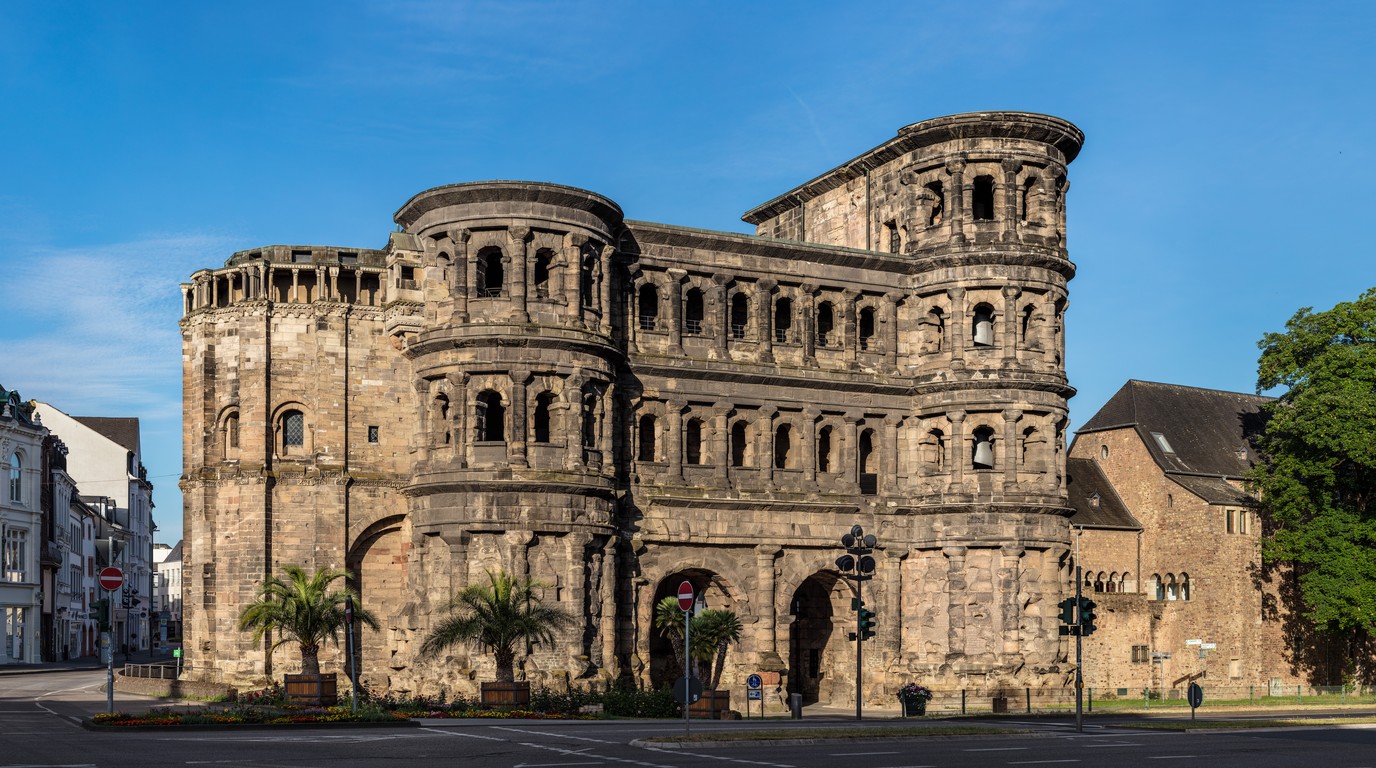
While the Moselle Valley draws crowds of summer cyclists and autumn grape-harvest tourists, Trier in winter reveals its most atmospheric and authentic soul. Free from tour buses, the city’s awe-inspiring Roman monuments—the largest collection north of the Alps—stand in silent, atmospheric majesty. From ascending the monumental Porta Nigra and descending into the subterranean passages of the Imperial Baths to savoring dry mineral-rich slate Riesling beside roaring fireplaces in centuries-old taverns, a 48-hour winter weekend in Trier offers an unforgettable blend of classical antiquity and warm Rhineland hospitality.
Why You’ll Love Trier in Winter
- Rome of the North Free of Crowds: Explore extraordinary UNESCO Roman monuments—including the Porta Nigra, Roman Amphitheater, and Imperial Baths—with serene winter tranquility.
- World-Class Steep-Slope Moselle Wines: Taste world-renowned mineral-driven Moselle Rieslings and regional warm spiced Winzer-Glühwein directly in historic cellar taverns.
- Germany’s Oldest Cathedral & Gothic Marvel: Admire the towering Romanesque High Cathedral of Saint Peter (Trierer Dom) alongside the adjacent 13th-century Liebfrauenkirche.
- Compact Pedestrian Center & Cross-Border Ease: Trier’s historic core is completely walkable, and situated just 35 minutes by direct train from Luxembourg and a short ride from France.
Key Winter Highlights & Moselle Savoring

- Mosel Riesling & Winzer-Glühwein: Savor crisp, slate-mineral Moselle white wines, or warm up in the winter twilight with white winemaker mulled wine spiced with star anise, cloves, and citrus.
- Trierer Teerdisch: The quintessential local winter comfort dish: mashed potatoes folded with sauerkraut and diced bacon, traditionally topped with pan-fried blood sausage or smoked pork belly (*Kassler*).
- Trierer Viez: The historic regional apple wine (*Viez*), fermented for centuries from local orchard apples and traditionally served in distinctive stone pottery cups known as *Porz*.
- Krumpli & Moselle Venison: Hearty potato pancakes served with sweet spiced apple compote, alongside rich winter venison ragout sourced from the nearby Eifel and Hunsrück forests.
48-Hour Trier Winter Weekend Itinerary
Day 1: Imperial Roman Gate, Medieval Market & Cathedral Treasures
09:00 AM – The Grand Porta Nigra: Begin your journey at the legendary “Black Gate” (*Porta Nigra*), built around 170 AD from massive sandstone blocks fastened together with iron clamps. Climb through its darkened ancient galleries and colonnaded halls, gazing out over the frosty rooftops of Trier just as Roman sentries did eighteen centuries ago.
11:00 AM – Simeonstift & Simeonstraße: Stroll south down Simeonstraße, passing the 11th-century Collegiate Church of St. Simeon. Stop at the Dreikönigenhaus (House of the Three Magi), an exquisite fortified early Gothic residential tower dating back to 1230 with its elevated defense portal.
12:30 PM – Winter Atmosphere in the Hauptmarkt: Emerge into Trier’s vibrant Hauptmarkt, one of Germany’s most enchanting central market squares. Admire the colorful Renaissance, Baroque, and half-timbered merchant facades, the 16th-century St. Peter’s fountain, and the towering Gothic tower of St. Gangolf Church.

02:00 PM – The High Cathedral of Saint Peter (Trierer Dom): Step inside Germany’s oldest bishop’s church, an awe-inspiring architectural palimpsest featuring intact 4th-century Roman brick core walls integrated seamlessly with Romanesque, Gothic, and Baroque expansions. Wander the serene cloister garden and visit the adjacent Liebfrauenkirche, one of Germany’s earliest purely Gothic French-style churches.
04:30 PM – Constantine Basilica (Aula Palatina): Walk to the colossal red-brick Aula Palatina, built in 310 AD as the throne room for Roman Emperor Constantine the Great. Standing inside this cavernous single-hall basilica—measuring 67 meters long and 33 meters high without internal pillars—demonstrates the breathtaking scale of Roman engineering.
07:30 PM – Traditional Dinner in a Roman Cellar: Savor a hearty dinner at Weinstube Kesselstatt or Zum Domstein, pairing tender braised pork knuckle or local Teerdisch with a dry Grand Cru Moselle Riesling from famous vineyard slopes.
Day 2: Imperial Baths, Ancient Amphitheater & Moselle Riverfront
09:30 AM – Subterranean Exploration at the Kaiserthermen (Imperial Baths): Start your second morning at the Imperial Baths (*Kaiserthermen*), commissioned by Emperor Constantine in the 4th century. Marvel at the soaring red-and-white stone window arches before descending into the remarkably preserved underground labyrinth of maintenance tunnels and furnace heating chambers (*hypocausts*).

11:30 AM – The Roman Amphitheater & Petrisberg Vineyards: Walk eastward toward the slopes of Petrisberg to explore the 20,000-seat Roman Amphitheater, carved into the hillside around 100 AD. Walk into the sunken arena floor and explore the underground cage rooms where gladiators and wild animals once awaited battle.
01:30 PM – Rheinisches Landesmuseum: Warm up inside one of Germany’s premier archaeological museums, marveling at the world’s largest Roman gold coin hoard (over 2,600 coins), giant Roman funeral monuments like the Neumagen Wine Ship, and intricate mosaic floors.
04:00 PM – The Roman Bridge (Römerbrücke) & Riverfront Walk: Cross the ancient Römerbrücke, where stone basalt piers dating back to 144–152 AD still support daily traffic over the Moselle River. Watch the twilight reflections shimmer across the water as mist rolls down the forested hills.
07:00 PM – Historic Wine Cellar Tasting & Fondue: Wrap up your weekend break inside a candlelit cellar at Weingut Vereinigte Hospitien, sampling vintage Eiswein and enjoying a cozy winter feast beside glowing brick hearths.
3 Insider Secrets for Visiting Trier in Winter
1. Purchase the Trier AntikenCard: The official *AntikenCard Basic* grants combined admission to four UNESCO Roman monuments (Porta Nigra, Kaiserthermen, Amphitheater, and Barbarathermen) plus the Landesmuseum for a fraction of individual tickets, saving both money and ticket-line waits.
2. Order Viez in an Authentic Porz: When ordering regional apple wine in traditional taverns, ask for it in a *Viezporz* (thick porcelain mug). For a sweeter winter treat, order a *Viez süß* (mixed with lemon soda) or hot spiced *Heißer Viez* with cinnamon.
3. Sunset View from the Petrisberg Viewpoint: For the most breathtaking panorama of Trier in winter, take Bus 85 or hike up to the Petrisberg viewpoint at sunset. You’ll see the entire Moselle valley, the Roman baths, and the cathedral spires glowing in purple twilight.
What to Savor & Historic Weinstuben
- Weinstube Kesselstatt (Liebfrauenstraße 10): Historic wine tavern located directly across from the Cathedral, offering exceptional cellar flights from Reichsgraf von Kesselstatt estate and Moselle specialties.
- Zum Domstein (Hauptmarkt 5): Traditional restaurant serving authentic Roman banquet dishes reconstructed from 1st-century Apicius recipes alongside classic Rhineland favorites.
- Wirtshaus Zur Glocke (Glockenstraße 12): Atmospheric 16th-century timber-framed inn serving hearty Trierer Teerdisch, wild boar sausages, and locally tapped draft beers.
- Vereinigte Hospitien Cellars: Home to Germany’s oldest wine cellar dating to 330 AD, offering guided cellar tours and estate tastings of premier Moselle slate Riesling.
Practical Winter Travel Logistics & Getting Around
- Arrival & Rail Connections: Trier Hauptbahnhof is well-connected by direct regional express trains to Luxembourg (45 minutes), Koblenz (1 hour 15 min), and Frankfurt Airport (2 hours 15 min).
- Winter Weather: Expect crisp average winter temperatures between 0°C and 5°C (32°F–41°F). The Moselle microclimate produces occasional light snow and atmospheric valley morning mists.
- What to Pack: Warm windproof outerwear, comfortable lug-soled walking boots for historic cobblestones and Roman stone stairs, and thermal accessories for outdoor exploration.
Where to Stay in Trier in Winter
- Altstadt (Historic Center): Steps from Hauptmarkt and Porta Nigra, placing you right in the heart of pedestrian avenues, bakeries, and evening wine taverns.
- Dom Quarter: Quiet, atmospheric streets surrounding Trier Cathedral, ideal for romantic weekend getaways and architectural charm.
- Moselle Riverfront: Peaceful river views with easy walking access across the historic Römerbrücke into the central shopping district.
Frequently Asked Questions About Trier in Winter
Is 48 hours enough time to visit Trier?
Yes, 48 hours is ideal to visit all major UNESCO Roman monuments, explore the Cathedral and historic Hauptmarkt, and enjoy relaxed wine tastings in historic cellars.
Are Trier’s Roman ruins open during the winter months?
Yes, the Porta Nigra, Kaiserthermen, Amphitheater, and Landesmuseum are open year-round, operating with standard winter daytime hours.
Can I do a day trip from Trier to Luxembourg?
Absolutely. Direct regional trains run every 30 to 60 minutes between Trier Hbf and Luxembourg City, taking only 45 to 50 minutes each way.
Save This Trier Winter Itinerary on Pinterest
Planning your winter weekend escape to Germany’s oldest city? Pin this complete 48-hour Trier travel guide to your Pinterest boards for fast access to Roman sights, Moselle wine cellars, and historic dining spots!

Leave a Comment