
When winter settled over Alsace, the UNESCO-listed island of Strasbourg transforms into a storybook realm of reflection and warmth. Timbered merchant houses lean gently over frost-edged canals, the scent of melted Munster cheese and spiced vin chaud drifts from cozy cellar taverns, and the towering pink sandstone spire of Notre-Dame Cathedral pierces the crisp winter mist.
While Strasbourg earned global fame for its bustling holiday festivities, visiting during the wider winter season—from January through early March—reveals the true, unhurried soul of Alsace. The overwhelming tour groups have vanished, leaving the narrow alleys of Petite France silent and reflective. You can stroll undisturbed along historic quays, secure prime tables beside crackling tile stoves in traditional Winstubs, and marvel at gothic astronomical marvels without rushing.
Why You’ll Love Strasbourg in Winter
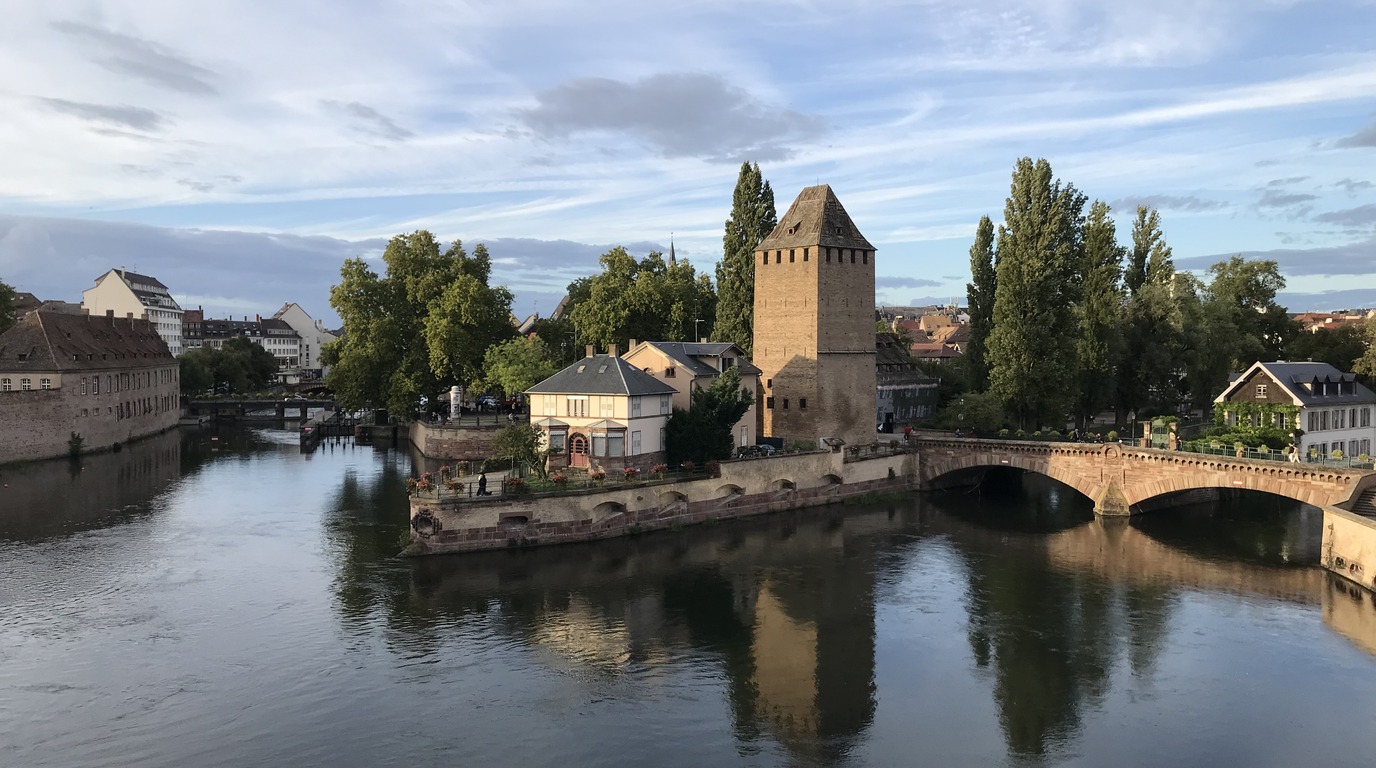
- Intimate Fairytale Atmosphere: With half-timbered 16th-century tannery buildings reflected in peaceful waterways, winter offers photographer-free vistas at every bridge crossing.
- Authentic Winstub Comfort: Step in from biting winter winds to savor wood-fired Flammekueche, hearty Choucroute Garnie, and crisp Alsatian Riesling in timber-beamed taverns.
- Walkable Medieval Heritage: The entire historic centre—the Grande Île—is a pedestrian-friendly island encircled by the Ill River, easily navigated on foot in any weather.
- Effortless Regional Rail Access: High-speed TGV trains connect Paris to Strasbourg in just 1 hour 45 minutes, while local TER trains reach fairytale wine villages like Colmar in 30 minutes.
Key Winter Essentials & Winstub Dining Culture

To fully appreciate an Alsatian winter break, pack appropriately for damp river air and master the nuances of local culinary customs:
- Moisture-Resistant Cold Layering: Winter along the Ill River brings brisk temperatures averaging 0°C to 5°C (32°F to 41°F) with frequent river mist. Pack a windproof, water-resistant wool coat, thermal base layers, a fleece-lined beanie, and sturdy waterproof leather shoes with grip for slick cobblestones.
- The Spirit of the Winstub: A Winstub (literally “wine lounge”) is the beating heart of Alsatian hospitality. Originally winegrowers’ parlors serving surplus vintage with simple fare, they feature communal wooden benches, red-checked tablecloths, and hearty, generous portions. Booking dinner reservations 24 to 48 hours in advance is essential even in low season.
- Tarte Flambée Etiquette: Known locally as Flammekueche, this wafer-thin rolled bread dough is topped with thick crème fraîche, fromage blanc, sliced onions, and smoked lardons, then blasted in a searing wood-fired oven for 90 seconds. In authentic Winstubs, Flammekuechen are ordered one by one for the whole table to share, served on wooden boards, rolled up by hand, and eaten hot without cutlery.
Step-by-Step 48-Hour Winter Walkthrough
Day 1: Petite France Canals, Barrage Vauban & Historic Winstub Dinner
09:00 – Morning Brioche & Coffee at Au Pain de Mon Grand-Père: Begin your day near Rue des Serruriers. Order a freshly baked butter brioche or a traditional braided Kougelhopf dusted with almond slivers, accompanied by a steaming café au lait.
10:15 – Wandering Petite France Quays: Cross the Pont Saint-Martin into Petite France. In the 16th century, this was the quarter of tanners, millers, and fishermen. Admire the high-pitched open roofs where animal hides once dried, and pause at the historic Maison des Tanneurs (1572) reflected in the canal basin.
11:45 – Ponts Couverts & Barrage Vauban Panoramic Terrace: Walk across the Ponts Couverts—a series of three bridges fortified by four sturdy 14th-century square stone towers. Enter the 17th-century Barrage Vauban (a pink sandstone defensive dam designed by Louis XIV’s military engineer). Climb up to the rooftop terrace for the quintessential panoramic view across the waterways and distant cathedral spire.

13:30 – Cozy Lunch at Winstub s’Kaechele: Warm your fingers inside Winstub s’Kaechele on Rue du Fossé-des-Tanneurs. Sample traditional Baeckeoffe—a slow-cooked casserole of marinated pork, beef, and lamb layered with sliced potatoes, leeks, and white wine, baked in an earthenware terrine.
15:30 – Musée Alsacien: Stroll along Quai Saint-Nicolas to the Musée Alsacien, housed across several interconnected historic timber houses. Walk through reconstructed rural parlors, pharmacy workshops, and winepress cellars that bring 18th-century Alsatian folklore to life.
19:30 – Evening Flammekueche Feast at Binchstub: Conclude Day 1 at Binchstub Broglie. This atmospheric stone-vaulted tavern crafts arguably the crispest organic Flammekueche in the city, using locally sourced flour and farm cheeses paired with craft Alsatian microbrews.
Day 2: Cathedral Spires, Astronomical Clock & Neustadt Imperial Quarter
09:30 – Cathédrale Notre-Dame de Strasbourg: Approach the cathedral via Rue Mercière. Described by Victor Hugo as a “gigantic and delicate marvel,” its single soaring spire (142m) was the tallest human-made structure in the world for over two centuries. Step inside the dimly lit nave to admire 12th-century stained glass windows and the magnificent Renaissance Astronomical Clock.

11:30 – Maison Kammerzell & Place Gutenberg: Directly beside the cathedral stands Maison Kammerzell, considered one of the most richly adorned half-timbered civil buildings in Europe. Its 75 carved windows depict sacred and profane figures, zodiac symbols, and five senses. Walk two minutes west to Place Gutenberg to see the statue honoring Johannes Gutenberg, who invented movable type printing while living in Strasbourg.
13:30 – Traditional Alsatian Choucroute at Le Clou: Settle into the wood-paneled dining room of Winstub Le Clou. Order authentic Choucroute Garnie—silky fermented sauerkraut simmered in dry Riesling with juniper berries, served with smoked Montbéliard sausages, cured pork loin, and boiled potatoes.
15:30 – Stroll the German Imperial Quarter (Neustadt): Cross the Pont du Théâtre into the Neustadt, built between 1871 and 1918. In contrast to the medieval core, this UNESCO-listed district features grand neoclassical boulevards, the imposing Palais du Rhin, and the monumental National and University Library surrounding Place de la République.
17:30 – Afternoon Pastries at Pâtisserie Christian: Before dusk, retreat into Pâtisserie Christian on Rue Mercière. Admire the exquisite baroque ceiling while indulging in spiced gingerbread (Pain d’épices) and rich hot chocolate scented with cinnamon and orange blossom.
3 Insider Secrets for Winter in Strasbourg
1. Hop on the 30-Minute TER Train to Colmar: If you have an extra half-day, regional TER trains depart Strasbourg station every 30 minutes to Colmar. In just half an hour for under €15 return, you can explore the fairytale canals of “Little Venice” (La Petite Venise) with zero transportation stress.
2. Purchase the 24-Hour Trio Transit Ticket: If traveling with a companion, the 24h Trio pass (€10.40) provides unlimited travel on Strasbourg’s sleek tram and bus network for up to three people across a full 24-hour period. It is also valid on the cross-border tram Line D directly into Kehl, Germany.
3. Visit the Historical Museum on Quiet Weekday Mornings: Housed in the 16th-century former slaughterhouse (Grandes Boucheries), the Musée Historique de Strasbourg holds an extraordinary 1:600 scale relief model of the city created in 1727, providing fascinating perspective on Strasbourg’s military evolution.
What to Eat & Drink in Alsace This Winter
- Flammekueche Traditionnelle: Crisp thin crust, velvety crème fraîche, slivered white onions, and smoked pork lardons blistered over beechwood fire.
- Choucroute Royale: Tangy, slow-simmered Alsatian sauerkraut served with five varieties of cured and smoked meats, sausages, and mustard.
- Kougelhopf: Fluffy brioche cake baked in a distinctive fluted circular mold, studded with rum-soaked raisins and crowned with toasted almonds.
- Alsace Dry Riesling & Pinot Blanc: Mineral-driven, aromatic white wines produced along the nearby Vosges foothills that cut perfectly through rich winter cuisine.
Winter Transit & Practical Travel Tips
- Arriving from Paris or Frankfurt: TGV inOui runs non-stop from Paris Gare de l’Est to Strasbourg in 1h45m. Direct ICE high-speed trains from Frankfurt Hbf take under 2 hours.
- Luggage on Cobblestones: Petite France’s streets are paved with historic river cobblestones. Opt for a durable backpack or sturdy large-wheeled luggage to avoid wheel damage.
- Sunday Dining Planning: Many independent family-run Winstubs close on Sundays and Mondays. Verify opening schedules and secure reservations early if visiting over a weekend.
Frequently Asked Questions
Is Strasbourg nice to visit in winter outside Christmas?
Yes, remarkably so. Winter brings peaceful quiet to Petite France, stunning canal reflections, open tables at celebrated Winstubs, and unhurried access to world-class art and historical museums.
Does it snow often in Strasbourg?
Strasbourg experiences moderate continental winter weather. Light snowfall occurs several times per winter between December and February, dusting timbered roofs in picturesque white.
Can you walk everywhere in Strasbourg?
Absolutely. The entire historic Grande Île is compact and largely pedestrianized. You can walk from one end of the island to the other in less than 20 minutes.
Pin This Strasbourg Winter Guide for Later
Dreaming of cozy half-timbered canals, wood-fired Flammekueche, and majestic gothic spires? Save this 48-hour Strasbourg winter guide to your Pinterest board so you have the ultimate Alsace itinerary ready whenever you need it!
Save This Strasbourg Winter Guide to Pinterest
Planning your winter weekend trip to Alsace? Pin this 48-hour Strasbourg itinerary to your France travel board for easy access to canal walking routes, Winstub dining secrets, and regional train tips.

Leave a Comment