
When cold winds sweep down the Danube and winter frost blankets Buda Castle Hill, Budapest reveals its most enchanting duality. Steaming outdoor thermal pools glow beneath neoclassical palace façades, spicy paprika steam billows from bustling market food stalls, and bohemian ruin bars flicker with candlelight inside historic Jewish Quarter courtyards.
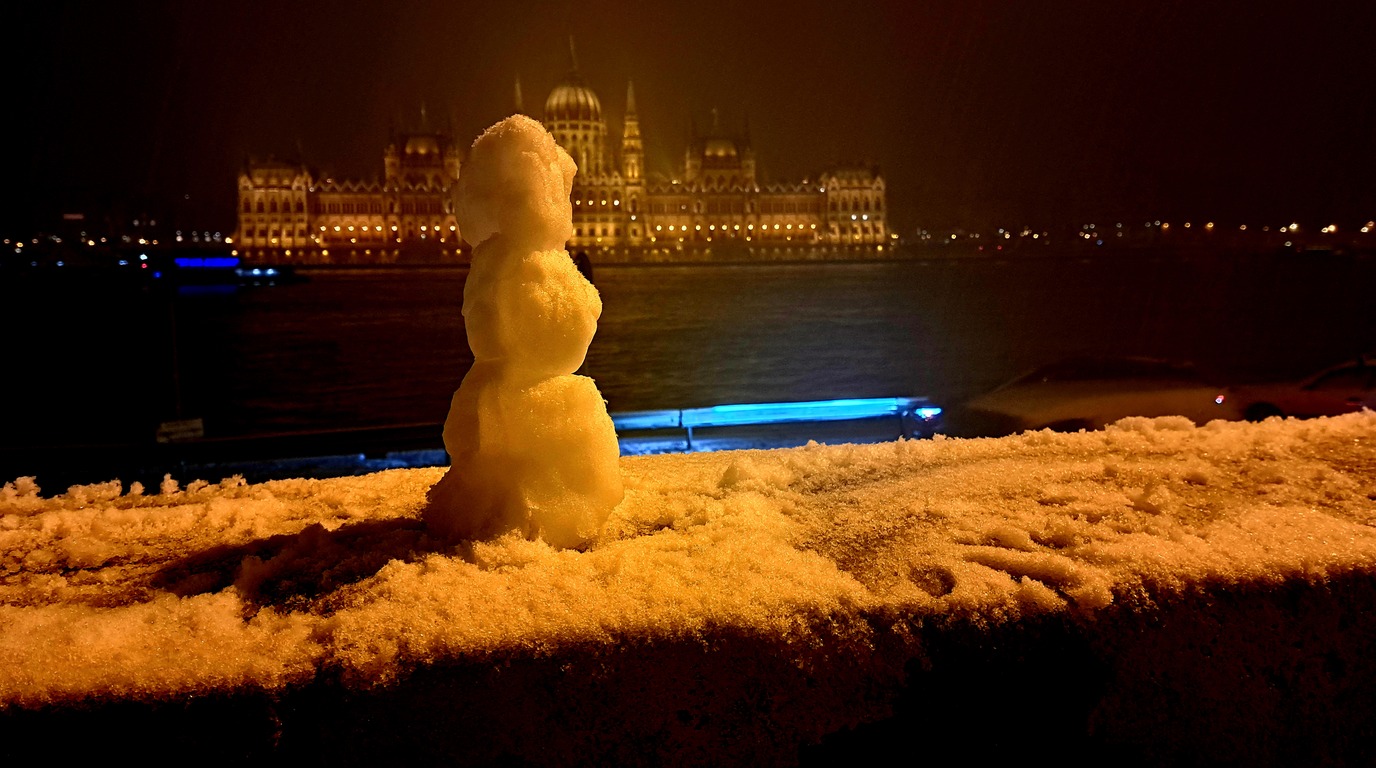
While summer crowds flock to the Hungarian capital for music festivals and boat parties, winter is arguably the most atmospheric time to explore. The stark contrast between sub-zero air and 38°C natural geothermal springs creates an unforgettable sensory ritual. Free from long queues, you can ascend Fisherman’s Bastion in serene silence, glide across Europe’s largest outdoor ice rink at City Park, and warm up in century-old grand cafes that rival Vienna’s finest.
Why You’ll Love Budapest in Winter
- Unrivaled Geothermal Bath Culture: Soak in open-air hot mineral springs at Széchenyi or admiring art nouveau stained glass at Gellért while snowflakes fall into the water.
- Golden Danube Illuminations: Winter darkness arrives early, transforming the Parliament Building, Chain Bridge, and Buda Castle into glowing golden monuments reflecting on the river.
- Hearty Hungarian Comfort Cuisine: Nothing combats cold better than rich paprika-spiced goulash soup, crispy lángos with garlic and sour cream, and freshly rolled Kürtőskalács.
- Atmospheric Ruin Bars: The city’s famous abandoned pre-war tenement buildings (romkocsmák) like Szimpla Kert are warm, quirky, and filled with eclectic vintage charm.
Key Winter Essentials & Thermal Bath Etiquette

To make the most of your 48-hour winter break, prepare for sharp continental chills and familiarize yourself with traditional bath rituals:
- Cold-Weather Gear & Cobblestones: Budapest winter temperatures average between -3°C and 3°C (27°F to 37°F). Wear thermal leggings, a windproof down parka, an insulated beanie, and waterproof walking shoes with deep rubber tread for Castle Hill slopes.
- Thermal Bath Packing Essentials: Pack your own flip-flops (mandatory poolside), a large absorbent towel, a dry change of clothes, and a swimming cap if you wish to swim laps in the central fitness pools. Renting towels on site is costly and queues can be long.
- Booking a Private Cabin (Kabin): When buying bath tickets at Széchenyi or Rudas, pay the small extra fee for a private changing cabin (kabin) rather than a shared locker. It provides privacy to change comfortably and secure all your winter outerwear.
Step-by-Step 48-Hour Winter Walkthrough
Day 1: Castle Hill, Fisherman’s Bastion & Ruin Bar Nights
09:00 – Morning Chimney Cake & Coffee at Ruszwurm: Start your day atop Buda Castle Hill inside Ruszwurm Cukrászda, Budapest’s oldest confectionery operating since 1827. Savor their legendary Ruszwurm Krémes (vanilla custard pastry) with strong espresso.
10:15 – Fisherman’s Bastion & Matthias Church: Walk two minutes to Fisherman’s Bastion (Halászbástya). The seven neo-Romanesque white stone towers represent the seven Magyar tribes who settled the Carpathian Basin in 895. Wander the arches to admire sweeping panoramic views of the Danube, Margaret Island, and the Parliament Building.
12:00 – Buda Castle & Chain Bridge Walk: Stroll south past the Sandor Palace to the Royal Palace terraces. Take the historic 1870 Castle Hill Funicular (Budavári Sikló) down to Clark Ádám Square and walk across the Széchenyi Chain Bridge into Pest.

13:30 – Goulash Lunch at Central Market Hall (Nagyvásárcsarnok): Enter the grand 19th-century neo-Gothic market hall. Head up to the mezzanine floor to enjoy a steaming bowl of traditional Gulyásleves served in an iron kettle with fresh crusty sourdough bread.
16:00 – Afternoon Geothermal Soak at Széchenyi Baths: Board historic Metro Line 1 (the oldest underground railway in continental Europe) to Széchenyi fürdő in City Park. Immerse yourself in the giant outdoor pools heated naturally by subterranean mineral springs to 38°C (100°F). Watch local grandmasters play waterproof chess matches on floating boards amid billowing steam.
19:30 – Ruin Bar Exploration at Szimpla Kert: Head into the Jewish Quarter (District VII). Step inside Szimpla Kert, where mismatched vintage lamps, converted Trabant cars, and fairy lights illuminate an open-air courtyard tavern serving local craft beer and warm mulled wine (forralt bor).
Day 2: Parliament Grandeur, St. Stephen’s & Evening Danube Cruise
09:30 – St. Stephen’s Basilica (Szent István-bazilika): Visit Hungary’s grandest neoclassical basilica. Take the elevator or climb 364 stairs to the dome observation deck for a 360-degree vista of Pest’s snow-dusted boulevards.

11:30 – Shoes on the Danube Bank & Parliament: Walk to the riverbank to view the poignant Shoes on the Danube Bank memorial—sixty iron pairs of period shoes honoring Holocaust victims. Continue north to admire the monumental Gothic Revival architecture of the Hungarian Parliament Building.
13:30 – Paprikash Lunch at Café Kör: Settle into the cozy, intimate dining room of Café Kör near Sas utca. Order their classic Hortobágyi Palacsinta (savory crêpe filled with spiced minced veal and paprika sour cream sauce) or chicken paprikash with egg dumplings (nokedli).
15:30 – City Park Ice Rink (Városligeti Műjégpálya): If visiting between late November and February, skate across Europe’s largest open-air ice rink situated between Heroes’ Square and Vajdahunyad Castle, accompanied by classical waltzes.
18:00 – Evening Illuminated Danube Cruise: Board an evening sightseeing boat along the Danube. Gliding past the illuminated Parliament, Castle Hill, and Gellért Hill in the dark is an unforgettable farewell experience.
3 Local Secrets for Winter in Budapest
1. Ride Tram Line 2 for a €1.50 Panoramic Tour: Tram line 2 traces the Pest embankment directly along the Danube, designated by National Geographic as one of the top 10 most scenic trolley rides in the world. It provides the exact same views as expensive tourist buses for the price of a standard single ticket.
2. Visit Rudas Baths for Rooftop Thermal Views: While Széchenyi is the most famous, 16th-century Rudas Thermal Baths offers an authentic Ottoman octagonal pool and a panoramic rooftop geothermal pool overlooking the Danube and Elizabeth Bridge.
3. Use the BudapestGO App for Mobile Transit: Download the official BudapestGO app to purchase digital single tickets or 24/72-hour transit passes directly on your phone. Scan the QR code at metro gates or on bus doors to validate instantly.
What to Eat & Drink in Winter Budapest
- Gulyásleves: Traditional goulash soup loaded with tender beef, root vegetables, pinched dough (csipetke), and fragrant paprika.
- Lángos: Deep-fried leavened flatbread brushed with crushed garlic oil and smothered in tangy sour cream (tejföl) and grated Trappist cheese.
- Kürtőskalács: Sweet ribbon dough wrapped around a wooden spit, baked over charcoal coals, and rolled in cinnamon sugar or crushed walnuts.
- Unicum & Tokaji Aszú: Sip Hungary’s herbal digestif Unicum after heavy meals, or enjoy a glass of world-famous royal sweet Tokaji dessert wine.
Winter Transit & Practical Advice
- Airport Transit 100E vs 200E: Bus 100E runs directly from Budapest Airport (BUD) to Deák Ferenc tér in 35 minutes for 2,200 HUF (~€5.50). Alternatively, bus 200E connects to the M3 metro line at Kőbánya-Kispest on standard transit tickets.
- Currency Exchange Caution: Hungary uses the Hungarian Forint (HUF). Avoid Euronet standalone ATMs which charge exorbitant exchange fees; use official bank ATMs (OTP, Erste, K&H) and always select “charge in HUF without conversion.”
- Weekend Bath Reservations: Thermal baths hit maximum capacity on cold winter Saturdays and Sundays. Pre-book fast-track tickets online or arrive early before 10:00 AM.
Frequently Asked Questions
Are Budapest thermal baths open in winter?
Yes, thermal baths operate year-round and are at their peak popularity in winter. The steaming outdoor pools at Széchenyi, Gellért, and Rudas remain at 36°C to 38°C even when outside temperatures drop below freezing.
Is Budapest walkable in winter?
Yes, the city center around Districts V, VI, and VII is largely flat and walkable. For crossing between Buda and Pest or reaching City Park, the metro and scenic tram network are fast, clean, and inexpensive.
How many days do you need in Budapest?
A 48-hour (2-day) winter weekend break is ideal to experience Castle Hill, two major thermal baths, the Parliament, and ruin bars without feeling rushed.
Pin This Budapest Winter Guide for Later
Dreaming of steaming thermal pools, fairytale castle views, and hearty goulash feasts? Save this 48-hour Budapest winter guide to your Pinterest travel board so you have the perfect European city break itinerary ready!
Save This Budapest Winter Guide to Pinterest
Planning a winter escape to Central Europe? Pin this 48-hour Budapest weekend itinerary to your travel board for instant access to thermal bath tips, castle views, and ruin bar navigation.

Leave a Comment