
While northern Europe shivers beneath grey skies and icy winds, Seville in winter basks in a glorious golden glow. With crisp sunny afternoons averaging a mild 18°C (64°F), sweet bitter oranges hanging heavy from thousands of trees lining cobblestone plazas, and the suffocating summer crowds long gone, Andalusia’s romantic capital reveals its true, unfiltered soul.
In 48 hours, you can wander uninterrupted through the intricate Mudéjar courtyards of the Real Alcázar, climb the gentle ramps of the Giralda tower for panoramic city views, hop between centuries-old tapas bodegas for sizzling gambas al ajillo, and lose yourself in the raw, foot-stomping passion of authentic Triana flamenco.
Why Seville in Winter Is Pure Magic
- Blissful Winter Sun: Boasting over 3,000 hours of sunshine annually, Seville delivers blue skies and comfortable daytime temperatures that allow for pleasant outdoor café dining straight through December, January, and February.
- Zero Crowds at Iconic Monuments: Summer queues that snake for hours outside the Alcázar and Seville Cathedral evaporate, giving you the luxury of contemplating Mudéjar plasterwork in peaceful silence.
- Orange Harvest Season: The city’s 40,000 bitter orange trees ripen from late November through February, perfuming the shaded alleys of Barrio Santa Cruz and casting vibrant splashes of color against whitewashed walls.
- Comfortable Walking Weather: Unlike the scorching 40°C+ heat waves of July and August, winter is the only time of year you can comfortably walk across the vast open expanse of Plaza de España at midday.
The 48-Hour Winter Sun Weekend Itinerary
Day 1: Royal Palaces, Santa Cruz Alleys & Modern Seville
09:00 – Mudéjar Splendor at the Real Alcázar: Begin your morning at the Real Alcázar, Europe’s oldest royal palace still in active use. Without the summer humidity, strolling through the Patio de las Doncellas (Courtyard of the Maidens) and the subterranean Baths of Lady María de Padilla is an ethereal experience. Take your time wandering the lush palace gardens where peacocks stroll among ancient date palms and orange groves.
12:30 – Seville Cathedral & The Giralda Tower: Walk steps across the plaza to the Seville Cathedral, the largest Gothic cathedral in the world. Pay respects at the monumental tomb of Christopher Columbus, then ascend the 35 gently sloping ramps of the Giralda bell tower—originally built without steps so the muezzin could ride up on horseback—to enjoy sweeping views across the terracotta rooftops.

14:00 – Tapas Crawl in Barrio Santa Cruz: Duck into the labyrinth of narrow pedestrian alleys in the former Jewish Quarter. Seek out classic institutions like Bodega Santa Cruz (Las Columnas) or Casa Morales for hand-carved Jamón Ibérico, espinacas con garbanzos (spinach with spiced chickpeas), and a glass of chilled fino sherry.
17:30 – Golden Hour Sunset at Las Setas (Metropol Parasol): Stroll north to the Plaza de la Encarnación to visit Las Setas, the world’s largest wooden architectural structure. Take the elevator to the undulating rooftop walkway just before sunset: as the sky shifts to amber and violet, the entire illuminated cityscape of Seville stretches before you.
Day 2: Grand Plazas, Triana Ceramics & Soulful Flamenco
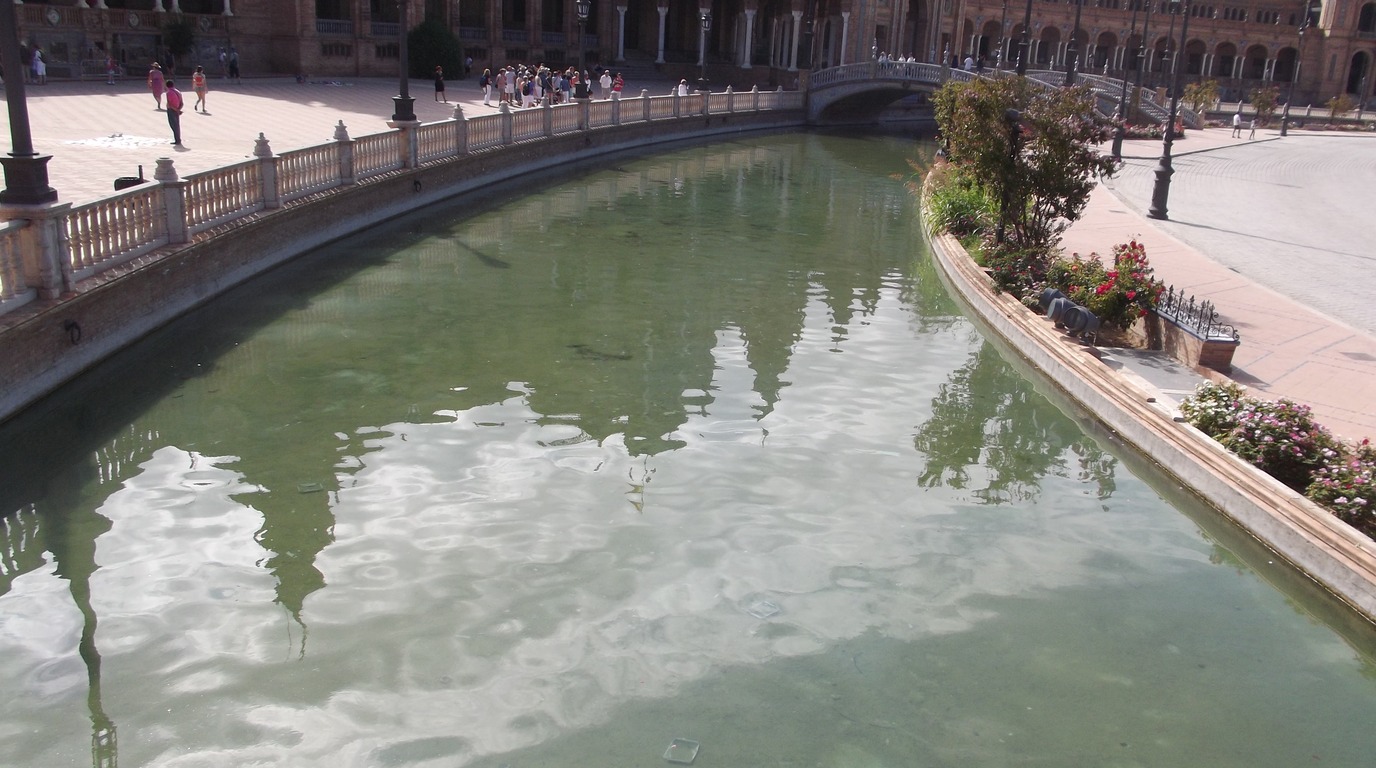
09:30 – Plaza de España & Parque de María Luisa: Head south to the breathtaking Plaza de España, built for the 1929 Ibero-American Exposition. Admire the 48 tiled alcoves representing every province of Spain, rent a small wooden boat to row along the semi-circular canal, and wander through the romantic shaded paths, rose gardens, and tiled fountains of María Luisa Park.

13:00 – Cross the Isabel II Bridge into Triana: Cross the historic iron bridge spanning the Guadalquivir River into Triana, Seville’s storied artisan and maritime quarter. Explore the vibrant Mercado de Triana, built atop the ruins of San Jorge Castle, to sample fresh Andalusian cheeses, fried fish (pescaíto frito), and local cured olives.
15:30 – Calle San Jacinto & Ceramic Workshops: Walk along pedestrianized Calle San Jacinto and visit the traditional azulejo ceramic workshops on Calle Alfarería, where generations of artisans have crafted Seville’s vibrant geometric tiles.
20:00 – Authentic Intimate Flamenco: Avoid the large commercial tour dinner shows and head instead to an authentic tablao or peña flamenca such as Casa de la Memoria or Teatro Flamenco Triana. Sitting just meters from the wooden stage, the acoustic Spanish guitar, raspy cante jondo vocals, and rhythmic zapateado footwork will give you chills.
Essential Seville Winter Logistics: Getting There & Around
- By High-Speed Train (AVE): Seville Santa Justa station connects directly to Madrid Atocha via the AVE high-speed train in just 2 hours and 30 minutes, and to Córdoba in only 45 minutes. Renfe and Iryo run frequent daily services with tickets starting from as little as €18 when booked in advance.
- From Seville Airport (SVQ): The EA (Especial Aeropuerto) express bus departs every 15 to 20 minutes directly from outside arrivals to Plaza de Armas in central Seville. The journey takes 35 minutes and costs €4 each way.
- Getting Around: Seville is remarkably flat and pedestrian-friendly. Virtually all major sights in Santa Cruz, El Arenal, Centro, and Triana are within a relaxed 15 to 20-minute walk. The T1 tram line connects Santa Justa station and Plaza Nueva through the historic core.
What to Pack for an Andalusian Winter Weekend
Seville’s winter climate is characterized by warm, sunny afternoons contrasting with crisp, chilly mornings and evenings:
- Daytime Attire: Light cotton shirts, tailored trousers, and breathable linen or merino knit sweaters. Under the strong midday sun, you will frequently find yourself in short sleeves or light cardigans.
- Evening Outerwear: A stylish trench coat, wool blazer, or light down jacket. Temperatures drop quickly to around 7°C to 9°C (45°F to 48°F) once darkness falls.
- Comfortable Footwear: Cushioned leather sneakers or supportive ankle boots. Seville’s historic cobblestones and extensive palace floors demand dependable walking comfort.
- Sun Protection: Sunglasses and UV sunscreen are indispensable year-round; the winter sun reflecting off white stucco and pale ceramic tiles is remarkably bright.
Where to Eat: Historic Bodegas & Modern Tapas

- El Rinconcillo (Founded 1670): Seville’s oldest tavern. Stand at the mahogany bar under hanging legs of jamón ibérico while bartenders chalk your bill directly onto the wooden countertop.
- Casa Morales (El Arenal): A beloved historic institution operating since 1850, known for its massive clay wine vats (tinajas) lining the back room and delicious montaditos.
- La Azotea (Centro / Alameda): A contemporary culinary gem celebrated for its daily market chalkboard specials, seared tuna belly, and creative seasonal tapas.
- Bar El Comercio: The gold standard for afternoon merienda: thick, piping-hot dark drinking chocolate served with crisp, spiral-fried churros.
Where to Stay in Seville
- Historic Splendor – Hotel Alfonso XIII: Commissioned by King Alfonso XIII for the 1929 Expo, this luxury icon boasts Andalusian ceramic tilework, sweeping central courtyards, and palatial Moorish arches.
- Boutique Charm – Hotel Casas de la Judería: A romantic network of 27 restored historic houses interconnected by subterranean tunnels, tranquil tiled patios, and citrus trees in Barrio Santa Cruz.
- Modern Comfort – H10 Corregidor Boutique Hotel: Located near Alameda de Hércules with an authentic Andalusian courtyard, contemporary rooms, and attentive service within easy walking distance of major sights.
Insider Pro-Tips for Visiting Seville in Winter
- Book Alcázar Tickets Online in Advance: Even in low season, daily entrance capacity is strictly controlled to preserve the delicate palace. Reserve your timed entry slot online at least one week ahead.
- Timing the Sunset at Las Setas: Arrive at the ticket elevator at least 45 minutes before scheduled sunset to clear bag checks and secure a prime viewing spot on the upper walkway.
- Follow Spanish Meal Times: Lunch runs from 13:30 to 16:00, while dinner rarely kicks off before 20:30. Most historic tapas kitchens close completely between 16:30 and 20:00.
Frequently Asked Questions
Is Seville warm in winter?
Yes, compared to the rest of Europe. Daytime temperatures in December, January, and February routinely reach 17°C to 20°C (63°F to 68°F) with strong sunshine. However, mornings and nights are crisp, requiring a warm coat or jacket.
Can you sit outside at restaurants in winter?
Absolutely. Most Seville tapas bars and cafés maintain outdoor terrace seating year-round. Many establishments provide radiant overhead heaters and cozy blankets for comfortable evening dining on the plazas.
Is two days enough for Seville?
48 hours is ideal for experiencing Seville’s core highlights: the Real Alcázar, Seville Cathedral, Plaza de España, Barrio Santa Cruz, and a traditional flamenco show in Triana.
Pin This Seville Winter Guide for Later
Dreaming of warm winter sunshine and Andalusian tapas? Save this 48-hour itinerary to your Pinterest travel board so you have all the routes, palace tips, and flamenco recommendations right at your fingertips!

Leave a Comment