
When winter frost dusts the gabled rooftops of northern Germany, the Hanseatic city of Bremen steps right out of a Brothers Grimm fairy tale. With golden lantern light illuminating Gothic brick facades, maritime taverns serving hearty plates of sizzling Knipp, and the winding timber-framed lanes of the Schnoor quarter free from summer tour groups, Bremen delivers one of Europe’s most enchanting and atmospheric 48-hour winter weekend escapes.
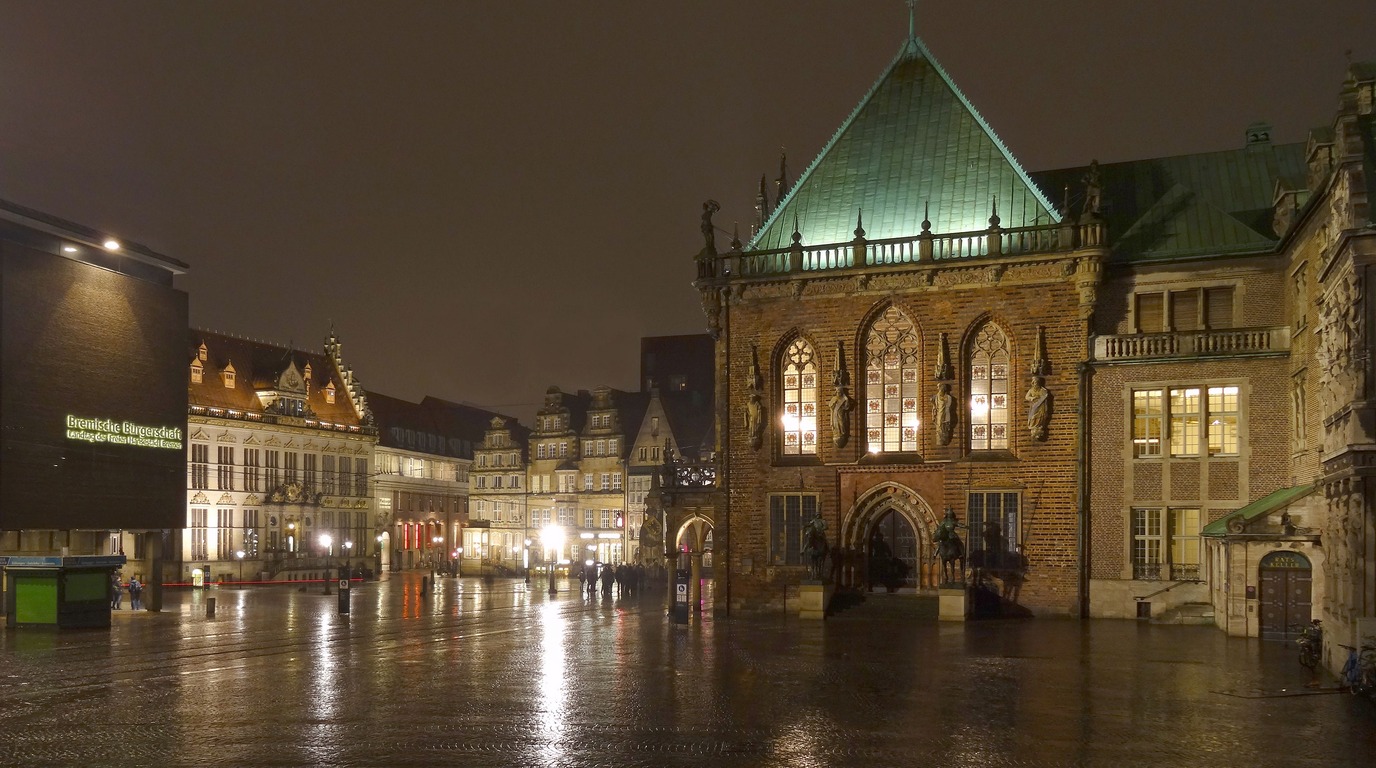
Steeped in more than twelve centuries of free maritime trade along the winding River Weser, Bremen balances imperial Hanseatic prestige with an intimate, whimsical charm. While its legendary UNESCO-listed Marktplatz and Weser Renaissance Town Hall command awe, it is in the hidden corners—the copper-carved alleys of Böttcherstraße, subterranean vaulted wine cellars dating back to 1405, and tiny artisan cottages draped in winter ivy—where travelers fall head over heels for this northern jewel.
Why You’ll Love Bremen in Winter
- Fairy-Tale Schnoor Solitude: Wander Bremen’s oldest quarter, where 15th-century fishermen’s cottages and artisan tea rooms can be explored in quiet, uncrowded serenity.
- UNESCO Hanseatic Splendor: Marvel at the magnificent 600-year-old Town Hall and the iconic 1404 Roland statue, symbols of civic freedom and northern European merchant power.
- Hearty Winter Comfort Food: Warm up after chilly riverside strolls with traditional northern German winter staples like crispy Bremer Knipp, spiced Klaben bread, and regional craft ales.
- Compact Pedestrian Altstadt: All primary cultural landmarks, museums, historic oases, and riverside dining are located within an easy 15-minute walking radius.
Key Winter Highlights & Local Savoring

- Bremer Knipp: Bremen’s legendary winter comfort dish—coarse pork, rolled oats, onions, and allspice pan-fried until wonderfully crisp and served with bratkartoffeln, pickles, and apple sauce.
- Bremer Klaben: A rich, centuries-old Hanseatic winter fruit bread densely packed with rum-soaked raisins, candied peel, almonds, and cardamom, traditionally sliced thick and buttered.
- Kohl und Pinkel: Northern Germany’s celebrated winter feast: slow-simmered kale flavored with smoked bacon and served with traditional smoked Pinkel sausages.
- Bremer Ratskeller Wine: Savor historic German vintages from the country’s oldest wine cellar, housing over 650 varieties beneath the vaulted arches of the Town Hall.
48-Hour Bremen Winter Weekend Itinerary
Day 1: Hanseatic Grandeur, Town Musicians & Subterranean Cellars
09:00 AM – Morning in the Marktplatz & St. Peter’s Cathedral: Start your weekend in Bremen’s breathtaking central square. Stand before the twin Romanesque spires of St. Peter’s Cathedral (St. Petri Dom) and admire the imposing 10-meter-tall Roland statue, standing guard over merchant freedom since 1404.
10:30 AM – The Town Musicians of Bremen: Turn toward the western facade of the Rathaus to visit Gerhard Marcks’ iconic 1951 bronze sculpture of the Donkey, Dog, Cat, and Rooster. According to local lore, rubbing both of the donkey’s front hooves brings good luck and guarantees you will return to Bremen.

12:00 PM – Stroll Through Böttcherstraße: Step through the golden “Lichtbringer” relief into Böttcherstraße, a 100-meter-long brick Expressionist architectural masterpiece conceived in the 1920s by coffee baron Ludwig Roselius. Listen to the 30 Meissen porcelain bells chime overhead at the Glockenspiel House.
01:30 PM – Traditional Lunch at Bremer Ratskeller: Descend below the Town Hall into the subterranean vaults of the *Bremer Ratskeller*, founded in 1405. Enjoy a glass of dry Mosel Riesling alongside Labskaus or a steaming bowl of North Sea fish stew.
03:30 PM – Kunsthalle Bremen: Escape the winter afternoon chill inside the renowned Kunsthalle, home to masterpieces spanning French Impressionism, German Romanticism, and European modernism.
07:00 PM – Evening Savoring in Altstadt: Dwell in the cozy warmth of a traditional Gasthaus near the Schütting guildhall, indulging in braised beef or crispy pork knuckles paired with local Beck’s or artisan craft beer.
Day 2: The Fairy-Tale Schnoor, River Weser & Maritime Quarters
09:30 AM – Exploring the Schnoor Quarter: Dedicate your second morning to getting lost in the Schnoor, Bremen’s oldest preserved district. Tiny 15th- and 16th-century houses line passages barely shoulder-width apart, housing goldsmiths, dollmakers, and artisan sweetshops.

11:30 AM – Morning Coffee & Klaben at Teestübchen im Schnoor: Take refuge in a 17th-century half-timbered tea salon, ordering hot Ostfriesen tea with rock sugar (*Kandis*) and a thick slice of spiced Bremer Klaben.
01:30 PM – Schlachte Riverside Promenade: Walk down to the Schlachte, Bremen’s historic harbor promenade along the Weser. In winter, vintage sailing ships like the three-masted *Alexander von Humboldt* gleam against icy waters, framed by maritime taverns and microbreweries.
03:30 PM – Das Viertel (Bremen’s Bohemian Quarter): Head east of the old ramparts into *Das Viertel* (Ostertor & Steintor), a vibrant neighborhood filled with 19th-century *Bremer Häuser*, independent bookshops, vintage boutiques, and indie coffee roasteries.
06:30 PM – Farewell Dinner in the Schnoor: Conclude your weekend at a romantic timber-beamed tavern like *Kleiner Ratskeller* or *Kranes Knipp*, savoring crispy pan-fried Knipp and warm baked apples.
3 Insider Secrets for Visiting Bremen in Winter
1. Rub Both Donkey Hooves (Not Just One): Local tradition states that if you only grab one hoof, “one donkey is shaking hands with another.” Always grasp both bronze front hooves firmly with two hands to make your wish!
2. Listen for the “Bremer Loch”: Set into the paving stones in front of the State Parliament on Marktplatz is a circular bronze manhole cover called the *Bremer Loch*. Drop in a coin and listen as the grating replies with the distinct cry of a donkey, dog, cat, or rooster—with all donations supporting local charity.
3. Visit the Secret Rose Cellar (Rosekeller): Deep in the Ratskeller vaults lies the oldest cask of German wine in the world: a Rüdesheimer vintage dating from 1653, kept beneath ornate hand-carved oak barrels.
What to Savor & Historic Gaststätten
- Bremer Ratskeller (Am Markt): Germany’s most historic subterranean restaurant and wine vault, serving regional classics since 1405.
- Teestübchen im Schnoor (Wüstestätte 1): Charming multi-story tea house nestled in a 1675 half-timbered cottage, perfect for afternoon warmth.
- Schüttinger Gasthausbrauerei (Hinter dem Schütting): Bremen’s oldest craft brewpub, pouring fresh unfiltered bottom-fermented beer alongside hearty platters.
- Café Knigge (Sögestraße 42): Bremen’s premier traditional pastry institution since 1889, famous for Bremer Klaben and chocolate Baumkuchen.
Practical Winter Travel Logistics & Getting Around
- Arrival & Transit: Bremen Hauptbahnhof is a major rail hub with direct ICE trains connecting to Hamburg (55m), Hannover (1h), and Berlin (3h). Bremen Airport (BRE) is just 11 minutes from the city center via Tram Line 6.
- Winter Weather: Daytime temperatures in December and January hover between 1°C and 6°C (34°F–43°F). Crisp maritime breezes from the North Sea are common, making windproof outerwear essential.
- What to Pack: A warm insulated waterproof coat, woolen beanie, thermal socks, and comfortable flat-soled walking boots to navigate wet cobblestones smoothly.
Where to Stay in Bremen in Winter
- Altstadt (Marktplatz & Rathaus): The ultimate central base for luxury and heritage, putting you within steps of the main monuments and the Ratskeller.
- Schnoor Fringe: Boutique hotels and converted townhouses offering fairy-tale ambiance right on the edge of the historic quarter.
- Das Viertel: Perfect for independent travelers seeking creative cafés, street art, lively evening pubs, and local boutique guesthouses.
Frequently Asked Questions About Bremen in Winter
Is 48 hours enough to see Bremen?
Yes, 48 hours is ideal to explore the historic Altstadt, wander the Schnoor, tour the UNESCO Town Hall, and enjoy relaxed museum visits and culinary evenings.
Does it snow in Bremen during winter?
Bremen receives occasional snow dusting between December and February, creating a storybook scene over the gabled houses and windmills along the city ramparts.
Are Bremen’s attractions open on Sundays?
Yes, all major museums, churches, the Town Hall, and restaurants remain open on Sundays throughout the winter season, though retail shops are closed in accordance with German trading laws.
Save This Bremen Winter Itinerary on Pinterest
Planning your winter weekend escape to Germany? Pin this complete 48-hour Bremen itinerary to your Pinterest travel boards for easy access to top sights, dining guides, and local tips!

Leave a Comment