
Traveling opens doors to new cultures, breathtaking landscapes, and unforgettable experiences. Yet, amidst the excitement, there lies a crucial element that often goes overlooked: travel insurance. With a world full of uncertainties, ensuring your journey is protected can make all the difference, allowing you to explore with peace of mind.
In this article, we’ll delve into the importance of travel insurance, the various types available, and why it’s essential for every US traveler. Whether you’re planning a weekend getaway or a month-long adventure abroad, understanding travel insurance can safeguard your plans and your wallet. Let’s explore the ins and outs of travel insurance and why you might want it by your side on your next journey.
1. Discover the Hidden Gems of the Great Outdoors

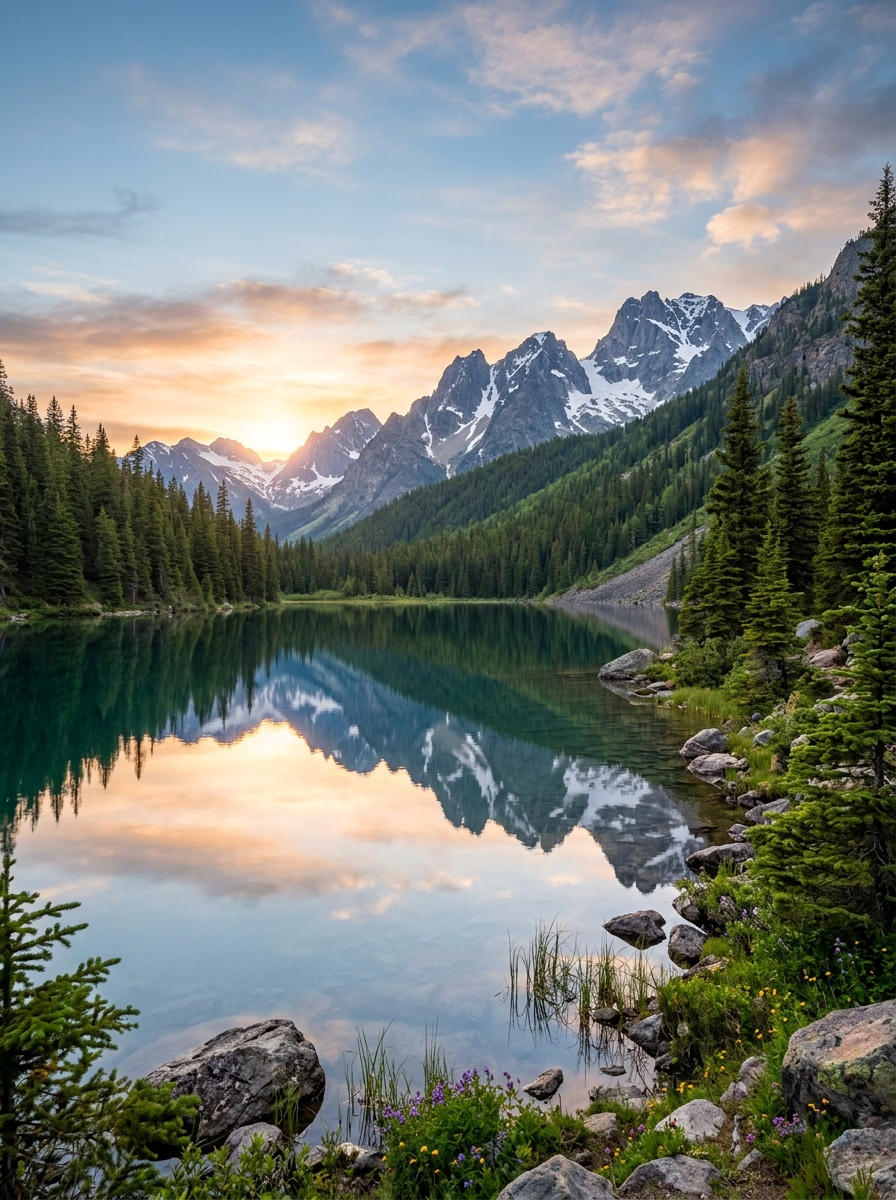
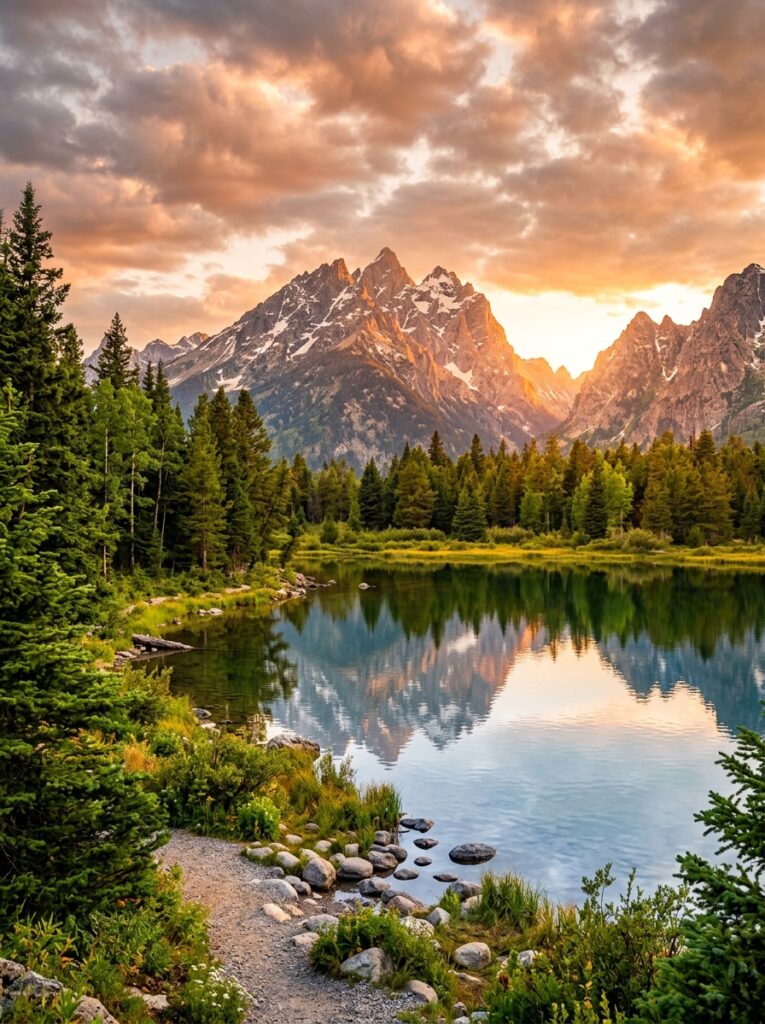
Exploring the vast landscapes of the great outdoors provides an exhilarating escape from the everyday hustle. From towering mountains to serene lakes, the pristine beauty of nature awaits you in every corner. Take a moment to breathe in the crisp air and revel in the tranquility that only nature can offer.
For those looking to immerse themselves further, consider a guided hike or camping trip. Not only do these activities offer a chance to connect with nature, but they also provide insight into the local wildlife and ecosystems. Be sure to pack essential gear and check trail conditions ahead of time to ensure a safe adventure.
The best time to embark on outdoor escapades is during the early morning or late afternoon when the light is perfect for photography and the temperatures are pleasant. Many parks have free entrance days or reduced fees during the off-peak seasons, making it easier to plan your visit within budget.
2. Savor the Flavors of Local Cuisine

Embarking on a culinary journey is one of the best ways to experience a new culture. Local cuisines often tell a story of tradition and heritage, with flavors that evoke the essence of the region. Be sure to sample iconic dishes, whether it’s a street food delight or a gourmet restaurant’s signature plate.
Visit local markets to discover fresh ingredients, spices, and artisanal products. Join a cooking class to learn how to prepare a traditional meal, and enjoy the fruits of your labor in a communal setting. These experiences not only fill your belly but also create lasting memories.
The best time to experience the local food scene is during festivals or food fairs, which often showcase seasonal specialties. Keep an eye on local event calendars for unique culinary events that can enhance your trip and provide a deeper cultural understanding.
3. Immerse Yourself in Local Culture and Traditions

Diving into the local culture is a transformative experience that can reshape your understanding of a destination. From traditional dance performances to local art galleries, each cultural encounter provides a glimpse into the heart of the community. Seek out authentic experiences by attending festivals or visiting cultural centers.
Participating in workshops, such as pottery or weaving, can offer hands-on insight into the skills passed down through generations. Engaging with local artisans not only supports their craft but also enriches your travel experience with personal stories and connections.
Plan your visit around significant cultural events or holidays to witness the vibrancy of local celebrations. Whether it’s a music festival or a harvest celebration, these events showcase the spirit and traditions of the people.
4. Explore Historical Landmarks and Architecture

Walking through historical landmarks immerses you in the stories and events that shaped the region. From ancient ruins to stunning cathedrals, each structure tells a tale of the past that invites exploration. Spend time admiring intricate architectural details and learning about their significance.
Consider hiring a local guide who can provide in-depth knowledge and personal anecdotes that bring history to life. Many landmarks offer guided tours that enhance the experience, offering a deeper understanding of the cultural heritage.
The best time to visit these sites is during weekdays or early mornings to avoid crowds. Many places also have reduced entry fees on certain days, allowing you to explore history without breaking the bank.
5. Unwind at Picturesque Beaches

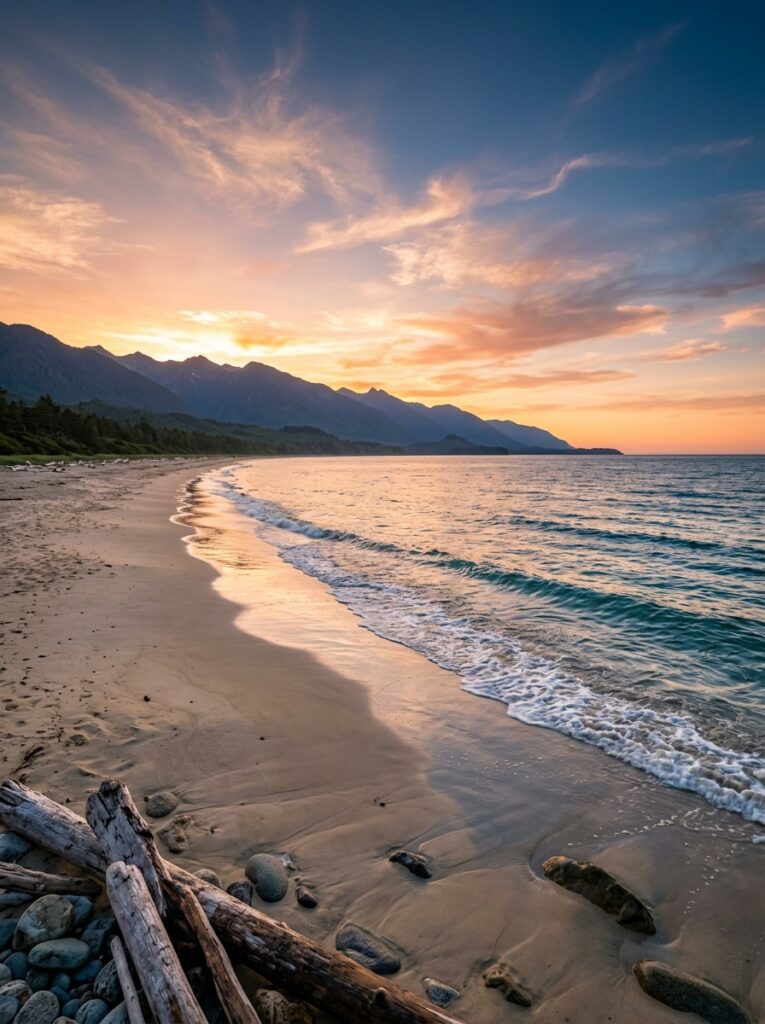
There’s nothing quite like the soothing sound of waves lapping at the shore to melt away the stresses of daily life. Picture yourself lounging on sun-kissed beaches, with soft sand beneath your toes and the horizon stretching endlessly before you. Each beach offers its own unique vibe, whether it’s a secluded cove or a lively seaside promenade.
Take advantage of beach activities such as snorkeling, paddleboarding, or simply strolling along the water’s edge. Many beaches have nearby cafes and bars where you can sip a cold drink and soak in the sun. Don’t forget to pack sunscreen and a good book to make the most of your relaxation time.
The best time to visit beaches is during the early morning or late afternoon when the sun is less intense. Many beaches also have free entry, making it easy to enjoy a day by the sea without overspending.
6. Adventure Through National Parks

National parks are the ultimate playground for nature lovers and adventure seekers. With vast landscapes to explore, these protected areas offer a wealth of outdoor activities, from hiking and biking to wildlife spotting. Each park boasts unique ecosystems and breathtaking vistas that create unforgettable memories.
Be sure to check for park entrance fees and consider purchasing an annual pass if you plan to visit multiple parks. Many parks also offer ranger-led programs that provide insights into the local flora and fauna. These activities can deepen your appreciation for the natural world.
The best time to visit national parks is during the shoulder seasons in spring and fall when the weather is mild and the crowds are lighter. Early morning hikes often reward you with stunning views and encounters with wildlife.
7. Reconnect with Nature on Scenic Trails

There’s something deeply rejuvenating about walking along scenic trails, surrounded by nature’s beauty. Whether it’s a gentle stroll through a forest or a challenging hike up a mountain, trails offer the opportunity to disconnect from technology and reconnect with the earth. Each trail has its own character, leading you through diverse landscapes and offering stunning views.
When planning your hike, be sure to check trail conditions and difficulty levels to match your experience. Carry sufficient water, snacks, and a first aid kit for safety. Many trails have specific hours of operation, so plan accordingly.
The best time to hike is in the early morning or late afternoon, when temperatures are cooler, and the lighting is perfect for photography. Consider visiting during weekdays to avoid crowds, ensuring a more peaceful experience.
8. Experience the Nightlife and Local Music Scene
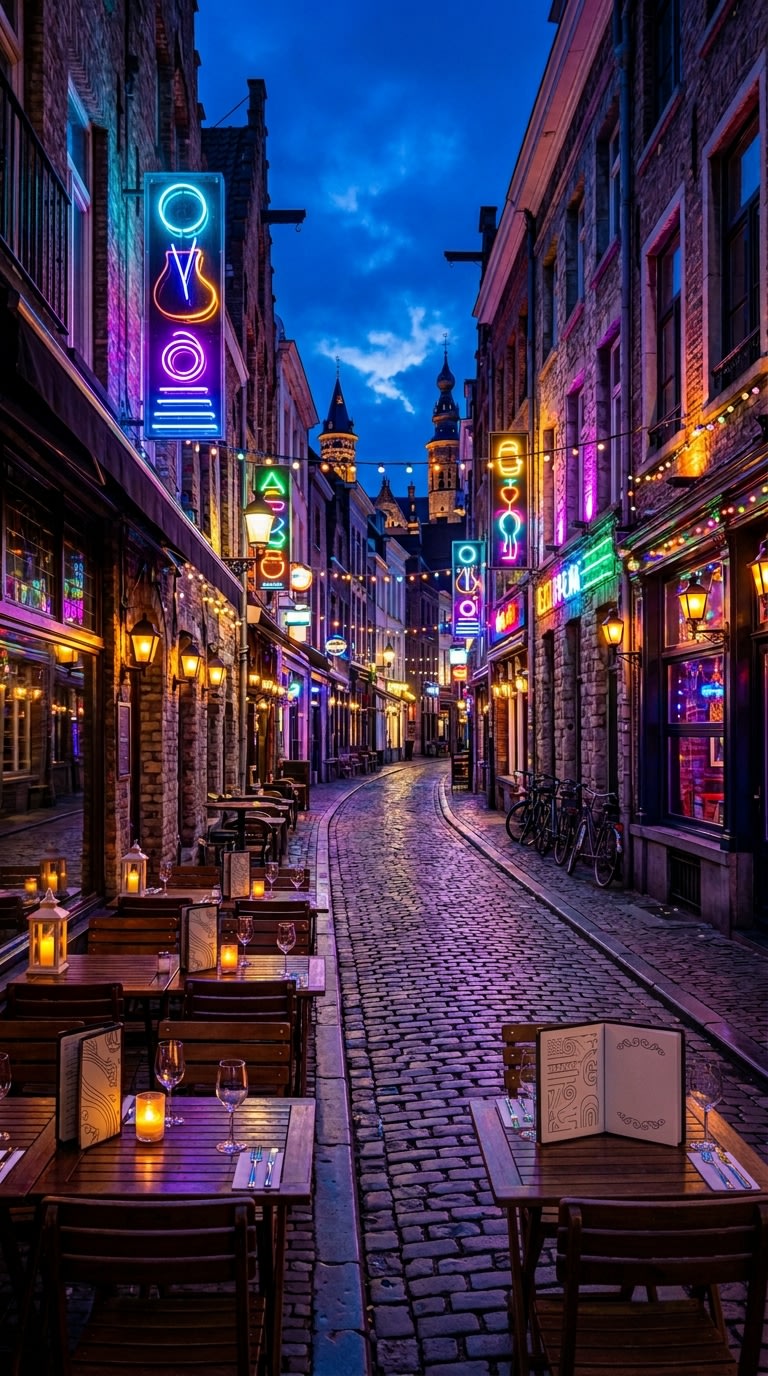
As the sun sets, vibrant nightlife comes alive, offering a mix of entertainment options from live music to dance clubs. Immerse yourself in the local music scene by attending performances at intimate venues or larger concerts featuring regional artists. Each night out can provide a unique glimpse into the cultural heartbeat of the destination.
Explore local bars and clubs that showcase traditional music, where you can dance the night away or simply enjoy the atmosphere. Many venues have no cover charge, making it easy to experience the nightlife without overspending.
The best time to enjoy the nightlife is on weekends when events are often scheduled. Arrive early to secure a good spot, especially at popular venues, and don’t hesitate to ask locals for recommendations on where to go for an authentic experience.
9. Take a Scenic Drive Through Breathtaking Landscapes

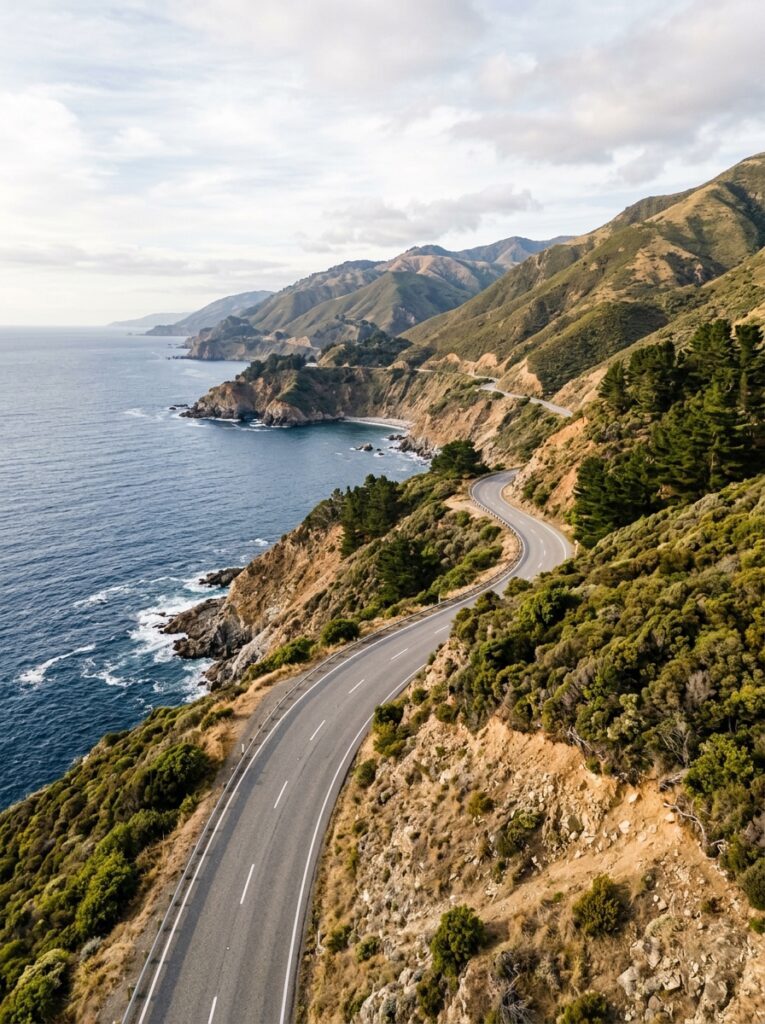
A scenic drive is one of the best ways to appreciate the stunning beauty of a region. Wind your way through picturesque landscapes, charming towns, and breathtaking vistas, all from the comfort of your vehicle. Each turn presents a new view, making every moment a photo opportunity.
Plan your route to include stops at key viewpoints and local attractions along the way. Many scenic drives offer pull-over areas where you can take in the sights and snap photos. Consider choosing a time of day when the lighting enhances the scenery for perfect pictures.
The best time for a scenic drive is during the fall when foliage is at its peak. Be sure to check the weather and road conditions ahead of time for a safe and enjoyable journey.
Frequently Asked Questions
Is travel insurance necessary for international trips?
Yes, travel insurance is highly recommended for international trips. It protects you from unexpected events like trip cancellations, medical emergencies, and lost luggage. Costs for policies can range from $50 to $150 based on coverage, duration, and destination.
Having insurance provides peace of mind, allowing you to focus on enjoying your travels without worrying about potential mishaps.
What should I look for in a travel insurance policy?
When choosing a travel insurance policy, consider factors like coverage limits, exclusions, and customer reviews. Look for policies that cover trip cancellation, medical emergencies, and personal belongings.
Additionally, check if the policy covers activities you plan to do, such as adventure sports, which may require additional coverage.
How much does travel insurance cost?
Travel insurance costs can vary widely based on factors like age, trip length, and destination. On average, you can expect to pay between 4% to 10% of your total trip cost for insurance coverage.
For instance, a $2000 trip could cost you around $80-$200 for insurance, which is a small price compared to the potential expenses of an emergency.
Can I buy travel insurance after booking my trip?
Yes, you can purchase travel insurance after booking your trip, but it’s best to do so as soon as possible. Buying insurance early gives you coverage for any pre-existing issues or trip cancellations that may arise before your departure.
Many policies allow you to buy coverage up until the day of your departure, so check the specifics of your chosen plan.
What happens if I need to cancel my trip?
If you need to cancel your trip, contact your travel insurance provider immediately. Depending on the policy, you may be able to file a claim for reimbursement of non-refundable expenses like flights or accommodations.
Keep documentation of your cancellation and any related expenses, as this will support your claim.
Travel insurance may seem like an additional expense, but it’s a small price to pay for your peace of mind. As you plan your next adventure, consider how travel insurance can protect you from unforeseen circumstances, allowing you to focus on creating memories rather than worrying about what could go wrong.
Whether you’re indulging in local cuisine, exploring vibrant cultures, or hiking through breathtaking landscapes, having travel insurance ensures your experience remains unforgettable. So, don’t let uncertainties hold you back—book your trip and travel with confidence!
Planning Your Next Trip? Pin This Guide!
Save this travel guide to your favorite Pinterest board so you always have itineraries, budgets, and packing checklists ready when it’s time to travel.
Leave a Comment