
Rome is an open-air museum where three thousand years of human triumph, artistic genius, and monumental architecture converge on sunlit cobblestone piazzas. From the haunting subterranean chambers of the Colosseum to the soaring dome of St. Peter’s Basilica and the tranquil bubbling fountains of Piazza Navona, the Eternal City rewards travelers at every turn. Yet, for first-time visitors, Rome’s sheer density of historic treasures can easily feel overwhelming. Without strategic advance planning, hours can be wasted standing in punishing midday ticket queues under the Mediterranean sun. Here is our curated guide to the top 15 must-see attractions in Rome, packed with insider booking secrets, dress code rules, and timing strategies to help you experience the city at its absolute finest.
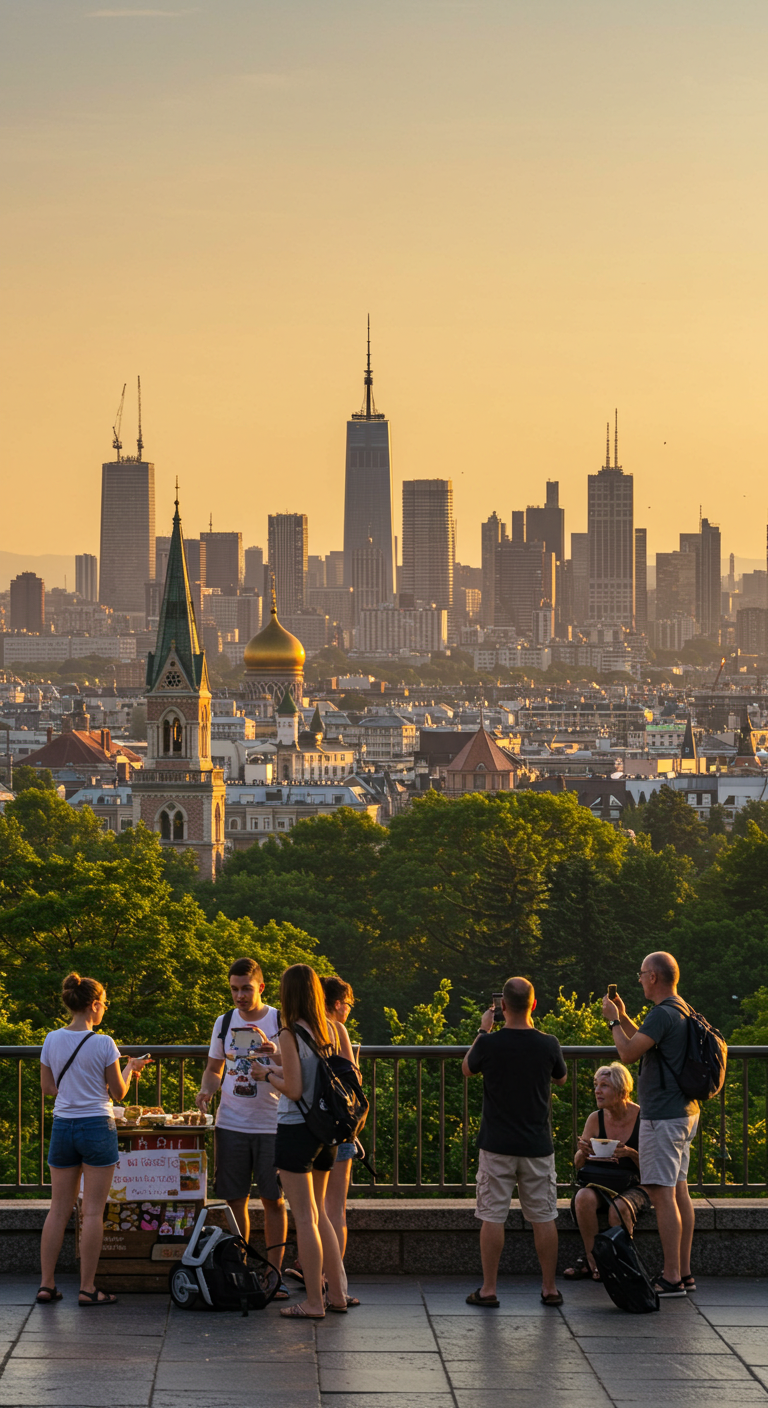
To truly fall in love with Rome, balance your itinerary between high-intensity archaeological landmarks and slow, sensory Italian rituals. After spending your morning marveling at Renaissance frescoes inside the Vatican, spend your late afternoon strolling through the medieval alleyways of Trastevere, sipping a glass of crisp Frascati wine, or tossing a coin into the Trevi Fountain under the evening lamplight. Rome is best discovered on foot, so lace up your most supportive walking sneakers and get ready to step through millennia of living history.
Why You Will Love Exploring Rome
- Unmatched Density of History: Rome is one of the few global capitals where ancient temples, Renaissance palaces, and Baroque fountains stand harmoniously side by side on every residential street.
- Walkable Historic Center (Centro Storico): The central core between the Spanish Steps, Piazza Navona, the Pantheon, and Campo de’ Fiori is completely pedestrian-friendly and delightfully atmospheric.
- World-Class Culinary Culture: Savor authentic Roman culinary staples—cacio e pepe, carbonara, amatriciana, and suppli—in family-run neighborhood trattorias for under €15 a meal.
- Free Public Drinking Fountains: Rome boasts over 2,500 historic drinking fountains called “nasoni” that dispense ice-cold, pristine Alpine aqueduct water free across the entire city.
Top 15 Must-See Attractions in Rome
1. The Colosseum (Flavian Amphitheatre)
Inaugurated in 80 AD, the Colosseum remains the crowning engineering marvel of the ancient Roman Empire. Once capable of hosting over 50,000 spectators for gladiatorial contests and theatrical mock sea battles, its monumental travertine arches define the Roman skyline. Book your tickets strictly via the official CoopCulture or ticketing partner platform exactly 30 days in advance. Opt for tickets that include the Arena Floor or Underground (Hypogeum) access to stand where gladiators and exotic beasts once awaited battle.
2. The Roman Forum & Palatine Hill
Directly adjacent to the Colosseum, the Roman Forum was the bustling political, commercial, and religious heart of the ancient Mediterranean. Walk along the original basalt stones of the Via Sacra past the Temple of Saturn, the Arch of Titus, and the Curia Julia where the Roman Senate convened. Climb up to the lush Palatine Hill, where ancient emperors constructed sprawling imperial palaces overlooking the Circus Maximus and where legend tells Romulus first founded the city in 753 BC.
3. The Pantheon
Originally commissioned by Marcus Agrippa and rebuilt in its current form by Emperor Hadrian around 125 AD, the Pantheon is the best-preserved ancient monument in Rome. Its colossal unreinforced concrete dome remains the largest in the world, punctuated by a 30-foot open oculus that illuminates the marble floor with shifting sunlight and cascading raindrops. Inside lies the tomb of Renaissance master Raphael. Entry requires a modest €5 admission ticket booked in advance on weekends.
4. St. Peter’s Basilica & The Dome Climb
The spiritual heart of Roman Catholicism, St. Peter’s Basilica in Vatican City is a triumph of Renaissance and Baroque architecture. Stand in reverent awe before Michelangelo’s heartbreakingly tender marble sculpture, the Pietà, and gaze up at Bernini’s four-story bronze Baldacchino canopy hovering over St. Peter’s tomb. For breathtaking 360-degree panoramas across St. Peter’s Square and the Vatican Gardens, pay €10 to climb the 551 steps (or take the elevator partway) to the summit of Michelangelo’s dome.
5. The Vatican Museums & Sistine Chapel
Spanning over nine miles of galleries, the Vatican Museums house one of humanity’s greatest artistic repositories. Wander through the Gallery of Maps with its gilded barrel-vaulted ceiling, admire the dramatic frescoes of Raphael’s Rooms (including The School of Athens), and finally enter the hushed sanctity of the Sistine Chapel to gaze upon Michelangelo’s iconic ceiling frescoes and The Last Judgment. Silence is strictly enforced inside the chapel, and shoulders and knees must be respectfully covered.
6. Trevi Fountain (Fontana di Trevi)
Carved from gleaming travertine marble by Nicola Salvi, the Trevi Fountain is the grandest Baroque fountain in the world. Dominated by the titan Oceanus riding a chariot drawn by wild seahorses, the fountain cascades into a turquoise pool fed by the ancient Aqua Virgo aqueduct. Turn your back to the fountain and toss a coin over your left shoulder with your right hand: legend promises you will one day return to Rome. Visit at 7:00 AM to experience the roaring waters without the wall-to-wall afternoon crowds.
7. Piazza Navona & Fountain of the Four Rivers
Built over the footprints of Emperor Domitian’s 1st-century athletic stadium, Piazza Navona retains its graceful elongated oval shape. The centerpiece is Gian Lorenzo Bernini’s dramatic Fountain of the Four Rivers (Fontana dei Fiumi), depicting the Danube, Nile, Ganges, and Plate rivers surrounding an Egyptian obelisk. Lined with warm ochre palazzi, open-air cafes, and talented street artists, it is one of the most delightful public salons in Europe.
8. The Spanish Steps & Piazza di Spagna
Connecting the Piazza di Spagna to the Trinità dei Monti church above, this monumental 135-step Baroque stairway is one of Rome’s most recognizable gathering places. At the foot of the steps sits Pietro Bernini’s charming Barcaccia fountain, designed in the shape of a half-sunken boat. Note that local city regulations prohibit sitting or dining on the marble steps to protect the historic stonework, so enjoy the panoramic views as you ascend to the Pincio terrace above.
9. Galleria Borghese & Villa Borghese Gardens
Set within Rome’s third-largest public park, the Galleria Borghese houses Cardinal Scipione Borghese’s extraordinary private art collection. Here you will find Bernini’s astonishingly lifelike marble sculptures, Apollo and Daphne and The Rape of Proserpina, where marble stone yields like soft human flesh. The gallery enforces a strict two-hour timed reservation system with capped visitor numbers, ensuring you can view Caravaggio masterpieces without crowded tour groups.
10. Castel Sant’Angelo
Originally commissioned as a monumental mausoleum for Emperor Hadrian in 139 AD, this towering circular cylindrical fortress on the banks of the Tiber River has served as a papal refuge, a military prison, and a Renaissance castle. Explore the atmospheric upper ramparts and walk across the Ponte Sant’Angelo pedestrian bridge lined with Bernini’s sculpted angels holding the instruments of the Passion.
11. The Medieval Trastevere Neighborhood
Across the Tiber River lies Trastevere, a bohemian neighborhood characterized by ivy-draped ochre townhouses, cobblestone lanes, and laundry drying from shuttered windows. By day, visit the 12th-century golden mosaics of Santa Maria in Trastevere; by night, join locals hopping between lively osterias, craft beer bars, and family-owned gelaterias along Piazza San Calisto.
12. Campo de’ Fiori Morning Market
Surrounding the brooding bronze statue of philosopher Giordano Bruno, Campo de’ Fiori hosts one of central Rome’s most vibrant daily morning open-air markets. Stalls overflow with fresh Roman artichokes (carciofi romaneschi), vine-ripened tomatoes, aged balsamic vinegars from Modena, and pressed olive oils. In the afternoon, the market stalls clear away, making room for sunlit outdoor aperitivo tables.
13. Capitoline Museums (Musei Capitolini)
Perched atop the Capitoline Hill and framing Michelangelo’s harmonic Piazza del Campidoglio, the Musei Capitolini are recognized as the world’s oldest public museum, dating back to 1471. Key highlights include the famous bronze Capitoline She-Wolf suckling Romulus and Remus, the Dying Gaul statue, and the colossal head and foot fragments of Emperor Constantine’s marble statue.
14. Basilica di Santa Maria Maggiore
One of Rome’s four papal major basilicas, Santa Maria Maggiore crowns the Esquiline Hill. The interior boasts pristine 5th-century Christian mosaics, a coffered ceiling gilded with the first gold brought back to Spain from the Americas, and the simple floor tomb of Gian Lorenzo Bernini. Because it lies slightly outside the main tourist circuit, it offers a deeply peaceful, contemplative atmosphere.
15. The Ancient Appian Way (Via Appia Antica)
For a scenic escape from the urban core, rent a bicycle on a sunny Sunday to explore the Regina Viarum (“Queen of Roads”). Built in 312 BC, the original massive basalt paving stones are still grooved by ancient Roman chariot wheels, flanked by towering umbrella pines, crumbling family tombs, and the subterranean Catacombs of San Callisto where early Christians gathered.
Essential Roman Travel Hacks & Planning Advice
- Dress Code in Churches: To enter St. Peter’s Basilica, the Pantheon, and all Roman churches, shoulders and knees must be covered for both men and women. Keep a lightweight linen scarf in your daypack to drape over sleeveless tops.
- Skip the Taxi Lines from Fiumicino Airport: Take the non-stop Leonardo Express train directly from Fiumicino Airport into Roma Termini station in 32 minutes for €14 per person, departing every 15 minutes.
- Drink from the Nasoni: Carry a reusable stainless steel water bottle. Whenever you need water, fill up at any of the small curved iron spouts around town—the water is cold, pure, and continually tested by city authorities.
- Beware of Monday Museum Closures: Many state museums and the Galleria Borghese are closed on Mondays. Plan your church visits, Roman Forum walks, or Vatican exploration for Mondays instead.
Frequently Asked Questions
How many days are needed to see Rome’s main attractions?
A 4 to 5 day itinerary is ideal for first-timers in Rome. This provides ample time to dedicate one full morning to the Colosseum and Forum, one morning to the Vatican and St. Peter’s, and three days to explore the Centro Storico piazzas, museums, and Trastevere without feeling rushed.
Do I need to book Colosseum and Vatican tickets in advance?
Yes, advance online booking is mandatory. Tickets for both the Colosseum and Vatican Museums frequently sell out weeks or even months in advance during peak season (April through October). Booking directly on official ticketing portals ensures you skip ticket-office lines and avoid inflated reseller markups.
What is the best month to visit Rome?
Late April to May and late September through October offer the finest weather, with daytime temperatures averaging 20°C to 24°C (68°F–75°F) and pleasant evening breezes. Avoid July and August, when scorching heat regularly exceeds 36°C (97°F) and many locals depart for summer beach holidays.
Planning Your First Trip to Rome? Pin This Guide!
Save this complete Rome attractions guide to your Italy Travel or Europe Vacation board on Pinterest so you have all the skip-the-line tips, dress code rules, and top sights ready when you pack.
Leave a Comment