
There is no faster, more visceral gateway to the heart of a culture than its street food. Long before white-tablecloth restaurants and Michelin stars, the true culinary identity of nations was forged over roaring charcoal braziers in night markets, on wheeled wooden pushcarts stationed outside crowded train terminals, and in humble family-run street stalls passed down through generations. From the hypnotic rhythm of cleavers chopping crispy spit-roasted pork in Mexico City to the steam billowing from giant bamboo dumpling baskets in Taiwan and the sweet scent of caramelized cinnamon drifting through Lisbon’s tiled alleys, street food is the lifeblood of global travel. Here are 12 legendary street foods around the world that every passionate traveler needs to experience at least once in their lifetime.
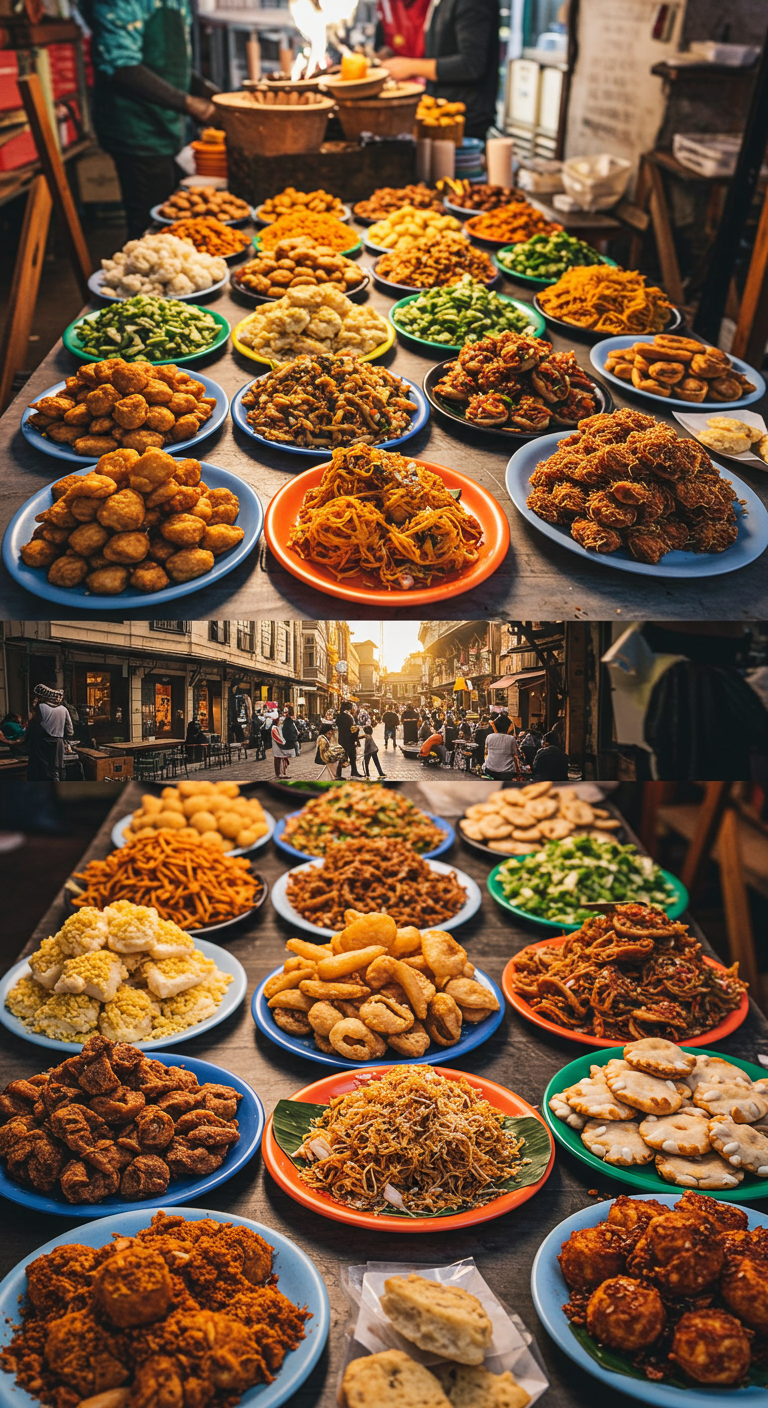
Beyond unmatched affordability, street dining breaks down social barriers. When you pull up a tiny plastic stool on a bustling Saigon curb or stand shoulder-to-shoulder with Tokyo commuters slurping noodles beneath subway tracks, you are engaging with the daily rhythm of local life. Eating street food is an act of trust, cultural celebration, and adventure. Armed with an open mind and a few golden safety rules, you will discover that the world’s most memorable meals are rarely served on fine china—they are wrapped in paper napkins, served fresh from the wok, and eaten on the sidewalk with a smile.
Why Street Food Defines Cultural Travel
- Centuries of Culinary Heritage: Iconic dishes like tacos al pastor or Vietnamese banh mi reflect historical migrations, trade routes, and regional agricultural ingenuity.
- Unmatched Freshness: High customer turnover means ingredients are sourced from local wholesale markets that very morning and cooked to order before your eyes over fiery woks or glowing coals.
- Democratic Affordability: Savoring world-class food for $2 to $5 per serving leaves your travel budget intact while directly supporting local working-class culinary artisans.
- Sensory Immersion: The hiss of hot oil, the aroma of toasted spices, the banter of market vendors, and the vibrant street life combine into an unforgettable multi-sensory memory.
12 Legendary Global Street Foods
1. Tacos al Pastor (Mexico City, Mexico)
Born from the culinary fusion of Lebanese immigrant shawarma traditions with Mexican chilies and spices, tacos al pastor are the crown jewel of Mexican street dining. Thinly sliced pork is marinated in achiote paste, dried guajillo chilies, vinegar, and oregano, then stacked onto a monumental rotating vertical spit (trompo) topped with a whole peeled pineapple. The taquero deftly carves ribbons of charred, caramelized pork directly onto warm double corn tortillas, catches a slice of flying pineapple from the air with surgical precision, and crowns it with diced white onion, fresh cilantro, and tangy salsa verde.
2. Bánh Mì (Ho Chi Minh City, Vietnam)
The ultimate culinary symbol of French-Vietnamese fusion, bánh mì is a sensory triumph of contrasting textures and bold temperatures. An ultra-crisp, feather-light baguette with an airy crumb is split open and spread with savory pork liver pâté and rich mayonnaise, then layered with slices of Vietnamese ham (chả lụa), grilled pork, crunchy pickled daikon and carrots, cucumber batons, fresh cilantro sprigs, and fiery red bird’s eye chilies, finished with a dash of Maggi seasoning. Every bite delivers warmth, crunch, umami, acidity, and heat.
3. Pad Thai & Som Tum (Bangkok, Thailand)
While found in restaurants globally, nothing matches the theatrical energy of a Bangkok night market street vendor preparing Pad Thai over a roaring jet-burner wok. Flat rice noodles are wok-tossed in a sticky sweet-sour tamarind reduction with dried shrimp, pressed yellow tofu, salted radish, fresh bean sprouts, and garlic chives, then folded into a delicate egg crepe and served with crushed roasted peanuts, chili flakes, and lime wedges. Pair it with Som Tum (green papaya salad pounded in a clay mortar with garlic, chilies, fish sauce, and palm sugar) for the quintessential Thai street feast.
4. Pastel de Nata (Lisbon, Portugal)
Originating in the early 19th century from the Jerónimos Monastery in Belém, these iconic Portuguese custard tarts have conquered the globe. The secret lies in the contrast between hundreds of micro-layers of blistered, ultra-crispy puff pastry and a silky, molten egg-yolk custard subtly infused with lemon peel and real cinnamon bark. When ordered warm from historic pastelarias in Lisbon’s Chiado or Alfama districts, dust the caramelized top with powdered sugar and cinnamon and pair it with a strong bica (Portuguese espresso).
5. Takoyaki (Osaka, Japan)
Osaka’s street food culture is famously governed by the philosophy of kuidaore (“eat until you drop”), and takoyaki is its undisputed king. These golf-ball-sized molten dumplings are made from a rich dashi and dashi egg batter poured into special cast-iron hemispherical griddles. Vendors drop a tender chunk of boiled octopus (tako), red pickled ginger (beni shoga), and tempura scraps (tenkasu) into each mold, deftly turning them with two metal picks until perfectly spherical and crisp. Served scalding hot, they are painted with sweet-savory takoyaki sauce, Japanese Kewpie mayo, powdered aonori seaweed, and dancing bonito flakes (katsuobushi).
6. Currywurst (Berlin, Germany)
Invented in post-war Berlin in 1949 by Herta Heuwer using curry powder obtained from British soldiers, Currywurst has achieved cult status as Germany’s favorite urban comfort food. A steamed and deep-fried pork sausage (bratwurst) is sliced into bite-sized wheels, smothered in a warm, spiced tomato sauce infused with Worcestershire sauce and paprika, and generously dusted with yellow curry powder. Served in a paper boat with a tiny wooden fork alongside hot, salty French fries (Pommes mit Mayo), it is an essential late-night Berlin rite of passage.
7. Empanadas Salteñas (Buenos Aires, Argentina)
Baked in blazing wood-fired clay ovens across Argentina, empanadas are savory hand-held pastry crescents that tell regional stories through their delicate folded edges (repulgue). The gold standard is the Salteña style: tender, buttery pastry pockets filled with hand-knife-cut beef (carne cortada a cuchillo), scallions, cumin, pimentón, hard-boiled egg, and green olives, yielding a rich, juicy broth that bursts on the first bite. Pair with a glass of robust Malbec at an outdoor street feria in San Telmo.
8. Pani Puri (Mumbai & Delhi, India)
Known as Golgappa in Delhi and Phuchka in Kolkata, Pani Puri is an exhilarating explosion of flavors designed to be eaten in a single bite. The street vendor cracks a hole in a crisp, hollow semolina sphere (puri) with their thumb, spoons in a mixture of spiced boiled potatoes, black chickpeas, and sweet date-tamarind chutney, then dips the entire puri into a vat of ice-cold, zesty water (teekha pani) infused with fresh mint, coriander, ginger, cumin, and black salt. Pop the whole sphere in your mouth and brace for an unforgettable torrent of tangy, sweet, spicy, and crunch.
9. Souvlaki & Gyros (Athens, Greece)
In the bustling alleyways beneath the Acropolis in Monastiraki, skewers of seasoned pork or chicken are grilled over glowing charcoal briquettes. For a gyro, meat is shaved from a giant rotating vertical rotisserie and wrapped inside warm, pillowy, oiled pita bread with ripe red tomato wedges, thinly sliced red onion, crisp French fries tucked directly into the wrap, and a generous dollop of garlicky cucumber-yogurt tzatziki. For €3 to €4, it is one of Europe’s most satisfying street lunches.
10. Authentic Poutine (Montreal, Canada)
Born in rural Quebec dairy country during the 1950s, poutine has become a Canadian national icon. The recipe demands three non-negotiable components: fresh, double-fried russet potato fries that stay crispy under moisture; piping hot, savory brown poultry-and-beef gravy; and super-fresh, unpasteurized white cheddar cheese curds that squeak loudly between your teeth as they melt into gooey strings. Sample it from 24-hour casse-croûte diners like La Banquise in Montreal’s Plateau neighborhood.
11. Arepas de Queso (Cartagena & Medellín, Colombia)
Strolling through the cobblestone streets of Cartagena’s walled city or Medellín’s Poblado plaza, the comforting aroma of toasted corn meal is inescapable. Arepas de queso are thick round corn cakes made from pre-cooked white or yellow cornflour blended directly with shredded regional cheese (queso costeño). Grilled over charcoal braziers until golden and blistered, they are slit open, spread with rich farm butter, and served piping hot with molten cheese stretching with every bite.
12. Supplì al Telefono (Rome, Italy)
Before Roman pizza was baked in wood ovens, street vendors called “friggitori” fried savory treats along the Tiber. The supplì is a golden, oblong croquette of carnaroli risotto simmered in rich beef ragù and tomato sauce, packed around a core of fresh mozzarella, rolled in fine breadcrumbs, and deep-fried to a dark mahogany crunch. When broken in half, the melted cheese stretches between the two halves like an old-fashioned telephone cord—giving the snack its affectionate moniker “supplì al telefono”.
The 4 Golden Rules of Safe Street Dining
- Follow the Local Queue: The universal rule of safe street food is customer turnover. If a stall is packed with local families, workers, and taxi drivers, ingredients are constantly fresh and never sitting out under ambient temperatures.
- Watch It Cook Fresh: Choose vendors where dishes are prepared right before your eyes over active flames or freshly pulled from boiling oil, rather than pre-cooked food sitting on warm trays.
- Stick to Purified or Bottled Water: In destinations where tap water is non-potable, avoid fresh salads washed in municipal water or unsealed ice cubes. Drink bottled sparkling water or fresh coconut water instead.
- Carry Local Small Cash Bills: Street vendors operate with razor-thin margins and rarely accept foreign credit cards or large 50-denomination banknotes. Carry small local coins and bills in a secure pocket.
Frequently Asked Questions
Is it safe to eat street food while traveling?
Yes, street food is often fresher and safer than many hotel buffet restaurants because high-turnover stalls source ingredients daily and prepare meals directly over intense heat in plain view of customers. By choosing busy stalls and eating food piping hot, the risk of food poisoning is exceptionally low.
Are street food tours worth booking?
Street food walking tours led by passionate local guides are one of the best investments you can make, especially for solo travelers. A knowledgeable local guide navigates language barriers, explains regional culinary history, and takes you to multi-generational family stalls hidden down quiet residential backalleys.
What should I pack for street food exploration?
Keep a small travel-sized bottle of alcohol-based hand sanitizer, biodegradable pocket wet wipes, and a reusable folding spork or travel chopsticks in your daypack so you can clean your hands and enjoy street snacks comfortably on the go.
Foodie Traveler? Pin This Global Street Food Bucket List!
Save this street food bucket list to your Food & Travel or Culinary Vacations board on Pinterest so you have all the best regional dishes and street food safety tips ready for your next trip.


Leave a Comment