
Traveling through Europe on a budget can seem daunting, especially with the allure of high costs and endless expenses lurking around every corner. Many travelers worry that their dreams of exploring historic cities, sampling local cuisine, and soaking in stunning landscapes will be crushed under the weight of their wallets. However, this guide is designed to empower you with smart strategies and practical tips that will allow you to embark on your European adventure without breaking the bank.
As an experienced travel writer who has navigated the complexities of budget travel across Europe, I assure you that it is indeed possible to explore this diverse continent on just $50 a day. This guide will provide you with everything you need to travel smarter and more confidently, ensuring you enjoy unforgettable experiences without the financial stress.
1. Use Budget Airlines for Intercity Travel

Budget airlines like Ryanair and EasyJet offer incredibly low fares for intercity travel across Europe. By booking flights well in advance, you can find deals for as low as $20, much cheaper than train tickets, especially during peak travel times. However, be cautious with additional fees for luggage and seat selection that can quickly add up, so always read the fine print.
For example, a flight from London to Paris may cost $30 on a budget airline compared to a train ticket costing upwards of $60. Additionally, some budget airlines operate at secondary airports, so factor in transport to the main city center when calculating costs. Tools like Skyscanner can help you compare prices across different carriers and find the best deals.
💡 This tip alone can save US travelers $40–$100 per intercity trip.
2. Stay in Hostels for Affordable Accommodation

Hostels provide an excellent budget-friendly option for travelers looking to save money on accommodations. Most hostels offer dormitory-style rooms, which can start as low as $15 a night, especially in cities like Budapest or Prague. In addition to being affordable, hostels often foster a social atmosphere where you can meet fellow travelers and exchange tips or even travel plans.
Many hostels also provide free amenities such as breakfast, Wi-Fi, and cooking facilities, allowing you to save on meals. For example, by staying at a hostel that offers kitchen access, you can prepare your own meals instead of dining out for every meal, further stretching your budget. Websites like Hostelworld and Booking.com specialize in listing affordable hostels across Europe.
💡 This tip can save US travelers $100–$300 on accommodation costs over a week.
3. Take Advantage of Free Walking Tours
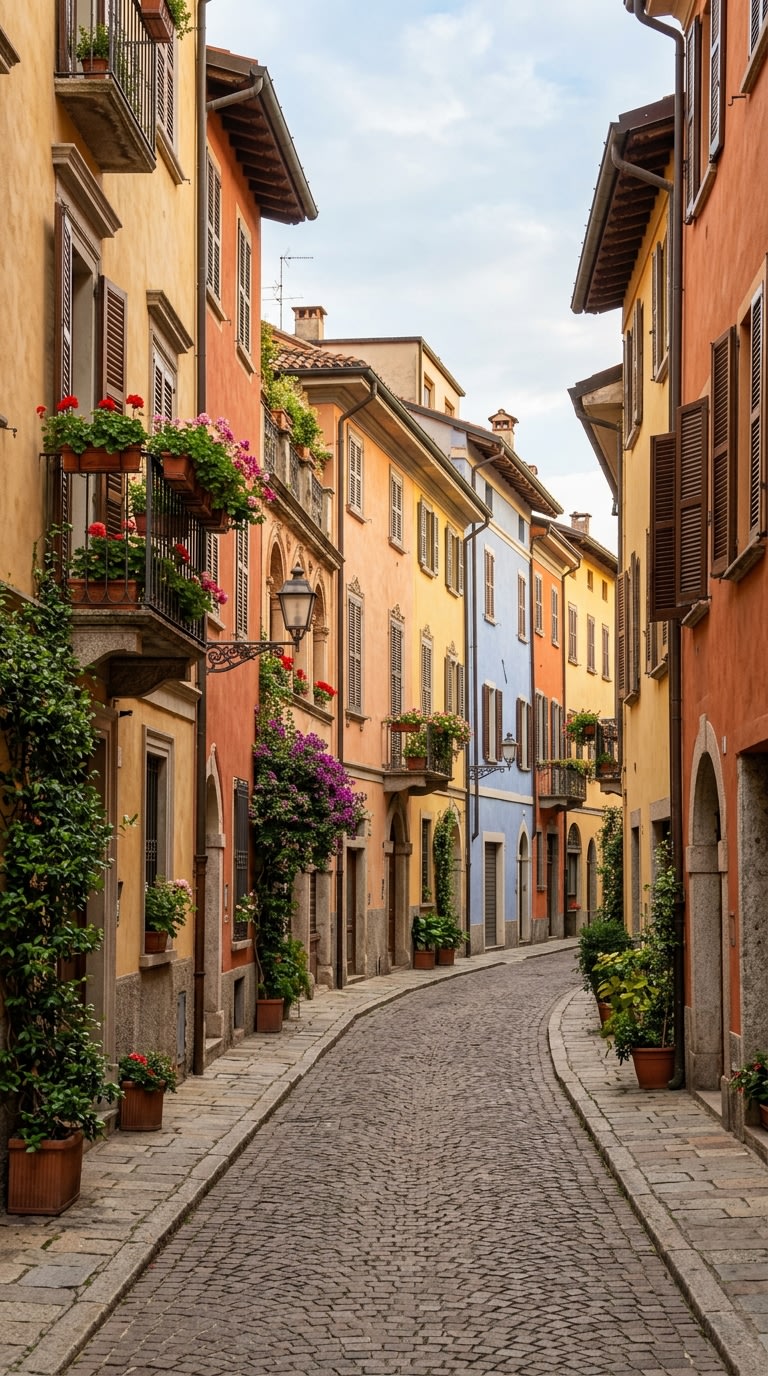
Many cities in Europe offer free walking tours led by local guides. These tours typically operate on a tip-based system, which allows you to pay what you can afford. This is a fantastic way to learn about a city’s history and culture while getting your bearings without spending a fortune.
For instance, in cities like Barcelona or Amsterdam, you can find knowledgeable guides who will take you to all the major attractions and hidden gems. Not only do these tours provide valuable insights, but they also allow you to meet other travelers. Just remember to budget for tips; a good range is between €5 and €10 per person, depending on the quality of the tour.
💡 This tip can help US travelers save $20–$50 per day on guided tours.
4. Utilize Public Transportation Over Taxis

Public transportation is not only affordable but also an authentic way to experience a city. Most European cities have extensive networks of buses, trams, and metro systems that are efficient and cost-effective. For example, a single metro ticket in Paris costs about €1.90, while a taxi ride can easily exceed €15 for the same distance.
Additionally, many cities offer day passes or travel cards that allow unlimited travel for a fixed price, making public transport even more economical. In London, for instance, a day pass for zones 1-2 costs around £12, which can save you a significant amount if you’re planning to explore multiple attractions in one day.
💡 This tip can help US travelers save $50–$100 per week.
5. Eat Like a Local at Markets and Street Vendors
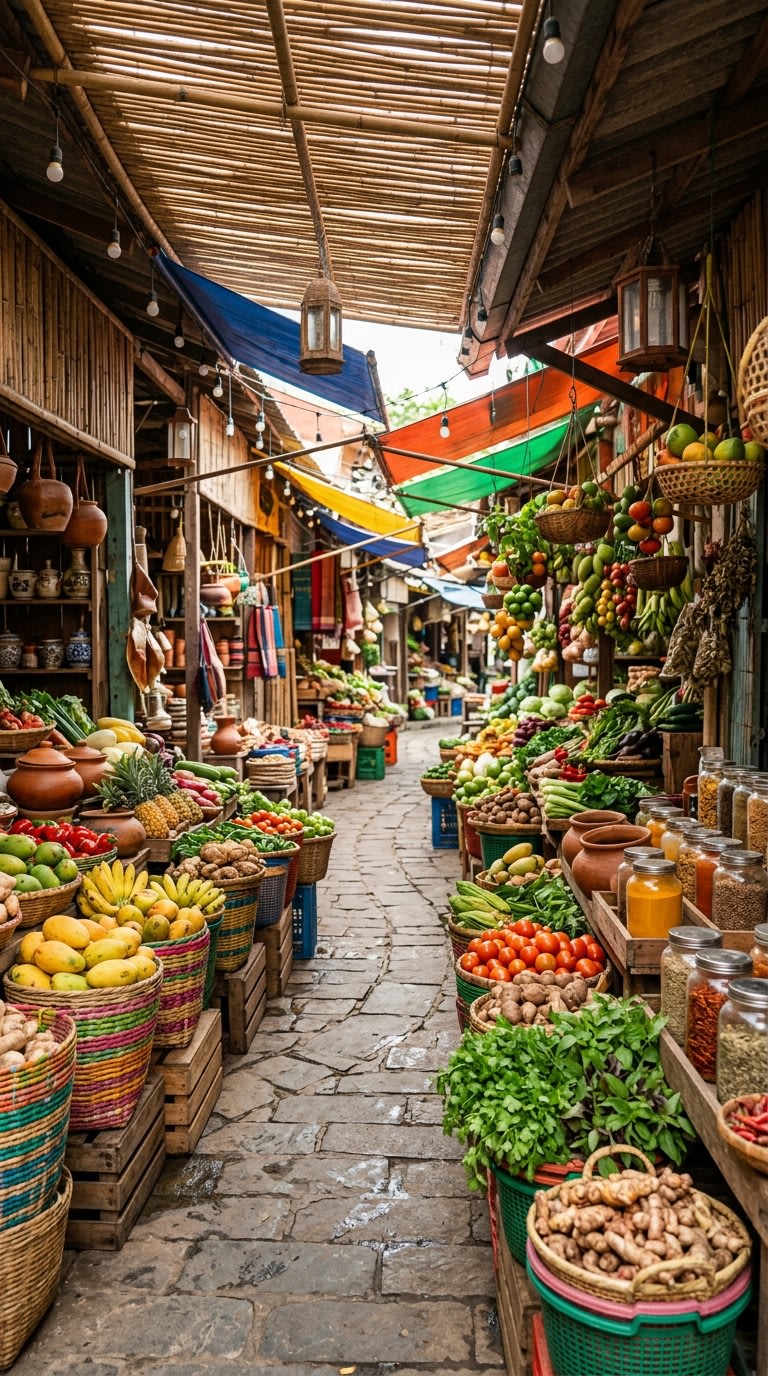
Dine at local markets or food stalls to experience authentic cuisine without the hefty price tag. Street food is often delicious, cheap, and a great way to immerse yourself in the local culture. For example, you can enjoy a delicious kebab in Berlin for about €3, while a sit-down meal at a restaurant might cost you €20 or more.
Additionally, many European markets offer fresh produce and local specialties that you can sample for a fraction of the cost of dining in restaurants. In cities like Barcelona and Florence, you’ll find vibrant markets where locals gather, providing not just a meal but an experience. Eating where the locals eat is also a great way to discover hidden gems that guidebooks often overlook.
💡 This tip can save US travelers $15–$50 per meal.
6. Travel Off-Peak for Cheaper Rates

Traveling during off-peak seasons can lead to significant savings on flights and accommodations. For example, traveling to Europe during the winter months can lead to airfare prices dropping by as much as 50% compared to peak summer rates. Additionally, hotels and hostels often offer lower rates during these slower periods, allowing you to enjoy the same experiences for less money.
Traveling off-peak also means fewer crowds, making it easier to explore popular attractions and enjoy a more relaxed experience. For instance, visiting the Eiffel Tower in January means you won’t have to contend with long lines and can enjoy the sight without the hustle and bustle of summer tourists. Websites like Kayak and Google Flights can help you find the best times to travel for the lowest prices.
💡 This tip can save US travelers $200–$500 on a week-long trip.
7. Leverage Free Attractions and Museums

Many European cities boast a wealth of free attractions and museums, making them perfect for budget-conscious travelers. For example, some museums in Paris offer free admission on the first Sunday of each month, while cities like London have numerous free attractions, including the British Museum and Tate Modern. Researching these opportunities can allow you to experience culture without spending a dime.
Additionally, many cities have free walking tours and public parks that provide a wonderful way to experience the local area. For instance, visiting the beautiful gardens in Vienna is completely free and a delightful way to spend an afternoon. By planning your itinerary around these free attractions, you can enjoy rich cultural experiences while keeping your budget intact.
💡 This tip can help US travelers save $50–$100 on entry fees.
8. Book Accommodations with Free Cancellation Policies

Opting for accommodations that offer free cancellation can provide you with flexibility and security during your travels. Plans can change unexpectedly, and being able to cancel without penalty can save you from booking mishaps and unnecessary costs. Many hotels and hostels allow free cancellation up to 24-48 hours before check-in, giving you time to adjust your plans.
For example, if you find a better deal on a last-minute booking, you can easily cancel your original reservation without incurring charges. This is particularly useful during peak travel seasons when prices can fluctuate significantly. Websites like Booking.com and Airbnb often have filters to help you find properties with flexible cancellation policies.
💡 This tip can help US travelers save up to $100 in potential cancellation fees.
9. Always Bring a Reusable Water Bottle
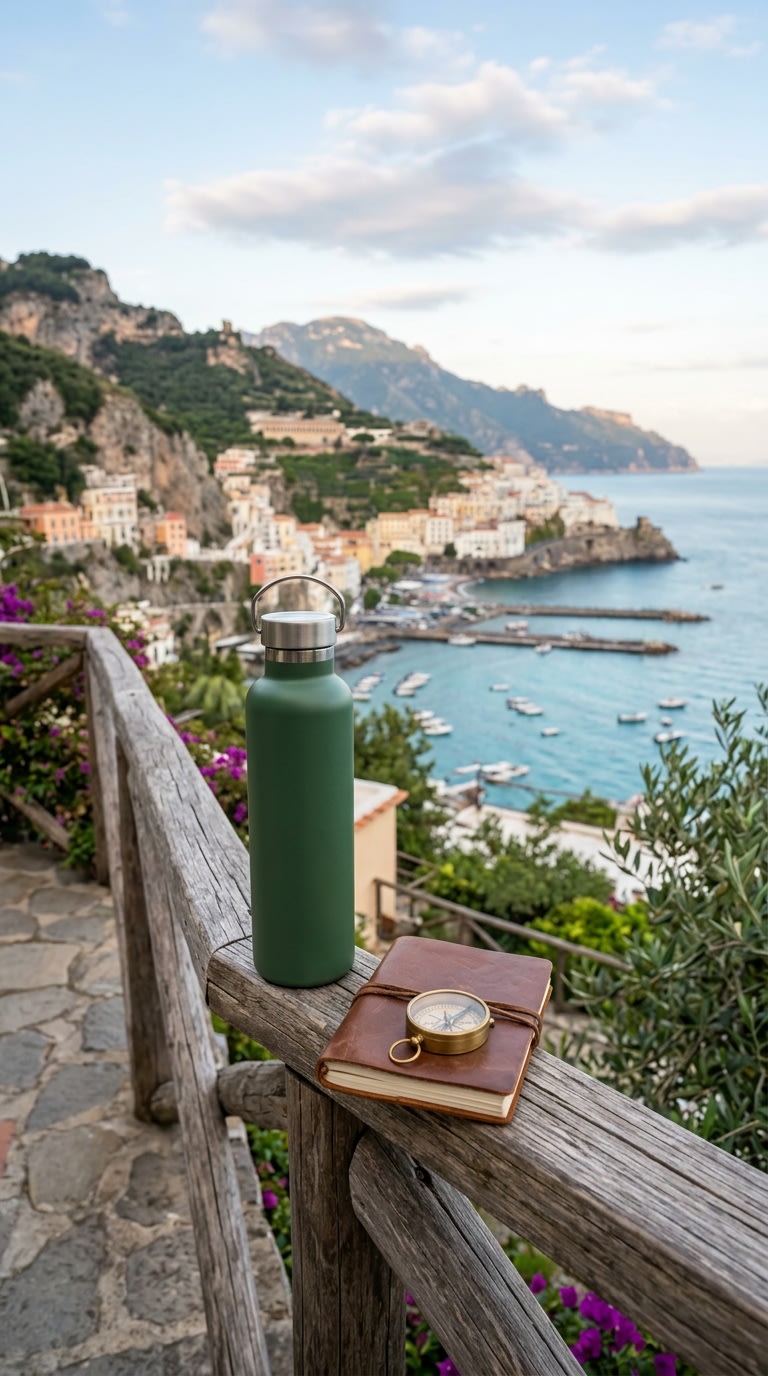
Carrying a reusable water bottle can save you a significant amount of money during your travels. In many European cities, tap water is safe to drink, and refilling your bottle can prevent unnecessary spending on bottled water, which can cost around €1-€3 each time. This simple habit not only saves money but is also an environmentally friendly choice.
In addition to saving money, having a water bottle on hand ensures you stay hydrated, especially when you’re walking around cities or exploring outdoor attractions. Many places, including restaurants and cafes, are happy to refill your bottle for free. For instance, in cities like Rome, you’ll find public water fountains where you can refill your bottle without charge.
💡 This tip can help US travelers save $50–$100 on hydration costs during their trip.
Common Mistakes to Avoid
Exchanging Currency at the Airport
Not Researching Local Transportation Options
Ignoring Free Wi-Fi Options
Skipping Travel Insurance
Frequently Asked Questions
What is the average cost of food per day in Europe?
The average cost of food in Europe can vary widely based on your choices. On average, budget travelers can expect to spend around $15-$30 for meals if they eat at local cafes or street vendors. By opting for breakfast at bakeries and lunch from markets, you can keep costs lower. Consider cooking in hostels or using meal-prep services for even more savings.
How can I find cheap flights to Europe?
Finding cheap flights to Europe requires flexibility and patience. Use flight comparison tools like Google Flights or Skyscanner and set price alerts to monitor fare changes. Additionally, consider flying mid-week or during off-peak seasons for the best rates. Booking in advance, around 2-3 months before your trip, can also result in significant savings.
Is it safe to travel in Europe on a budget?
Yes, traveling in Europe on a budget can be safe with proper precautions. Stick to well-lit, populated areas, and keep an eye on personal belongings to avoid petty theft. Booking accommodations in reputable hostels and using public transport is generally safe. Engaging with local communities and following travel advisories can enhance your safety while enjoying budget travel.
What are some tips for solo travelers in Europe?
Solo travelers can benefit from joining group tours or local meetups to connect with other travelers. Staying in hostels can also provide a social environment. Ensure to keep emergency contacts and local embassy information handy. Always trust your instincts, avoid overly risky situations, and consider using apps like Meetup to find local events.
How can I save money on public transportation in Europe?
To save on public transportation, consider purchasing day passes or multi-day travel cards that offer unlimited travel. Research city transport systems, as many offer discounted rates for students or seniors. Additionally, walking between nearby attractions not only saves money but also allows you to experience the city more intimately.
Traveling through Europe on just $50 a day is not only possible but can be an enriching experience filled with adventure and discovery. By implementing the tips outlined in this guide, you’ll be able to explore iconic landmarks, savor local cuisine, and immerse yourself in diverse cultures without the financial burden. Remember that smart planning, resourcefulness, and a willingness to explore off the beaten path are key to maximizing your budget.
As you prepare for your journey, hold onto the confidence that you have the tools and knowledge to make the most of your travels. Embrace the challenges and enjoy the process, knowing that every experience, whether good or bad, is a part of your unique travel story.



Leave a Comment