
With its dramatic pastel villages clinging impossibly to sheer limestone cliffs, sun-drenched lemon groves overlooking the azure Tyrrhenian Sea, and glamorous Mediterranean beach clubs, Italy’s Amalfi Coast is the quintessential bucket-list coastal paradise. However, the glossy aesthetic celebrated on social media often conceals the logistical realities of navigating a vertical, cliffside coastline with winding, single-lane roads and thousands of stone steps. Without practical foresight, a dream vacation can quickly devolve into motion sickness on crowded regional buses, unexpected luggage porter charges, and restaurant budget shock. Here are the 10 essential travel tips you need to know before visiting the Amalfi Coast to ensure a flawless, stress-free Mediterranean escape.

The secret to an unforgettable Amalfi holiday lies in understanding the geography of the Sorrentine Peninsula. Each town along the 34-mile coastal stretch possesses a distinct personality, elevation profile, and transit connectivity. Positano is vertical, glamorous, and bustling; Amalfi is historically rich and serves as the central ferry crossroads; Ravello sits 1,200 feet above the sea, offering serene botanical gardens and chamber music festivals; while Minori and Maiori provide authentic, accessible beachfront living at half the price. By tailoring your base town and daily transport to your travel style, you can experience the coast in true la dolce vita elegance.
Why Strategic Planning Matters on the Amalfi Coast
- Vertical Topography: Most towns are built into sheer rock faces. Navigating between your hotel, town center, and the beach frequently requires climbing 300 to 800 stone steps each way.
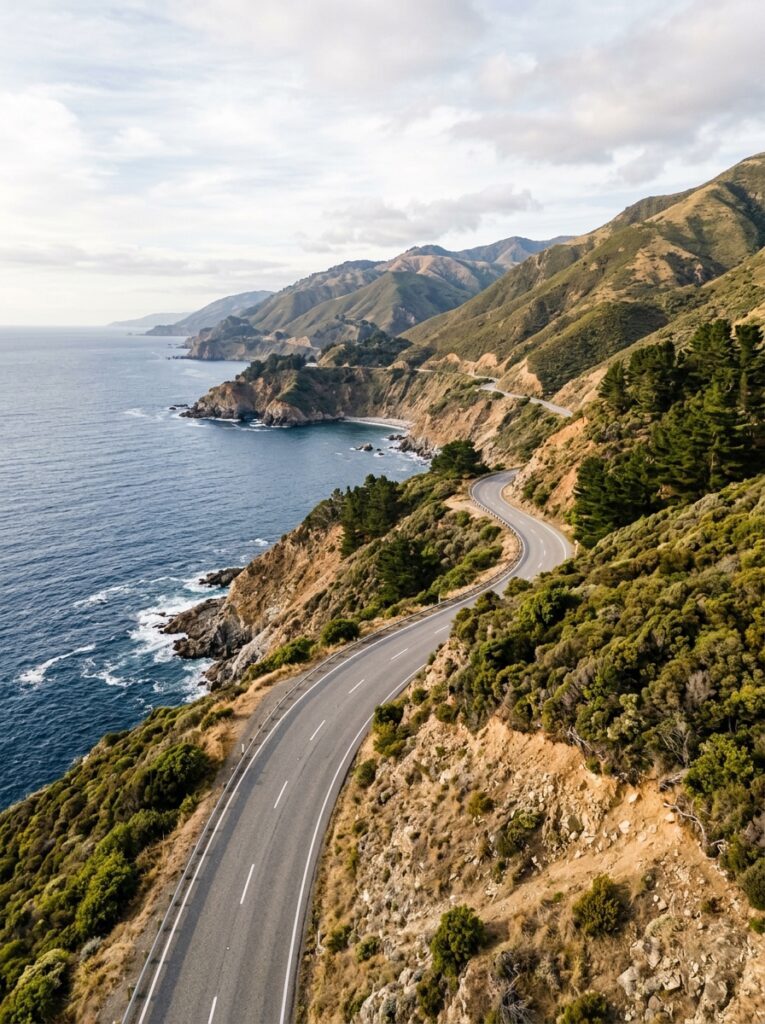
- The Coastal Road Challenge: The Strada Statale 163 (Amalfi Drive) is narrow, hairpin-curved, and heavily congested with tour buses between June and September. Alternative sea transit is faster and far more scenic.
- Carry-On Only Advantage: Wheeled suitcases are virtually useless on medieval staircases. Travelers with compact backpacks or lightweight duffels navigate arrival and departure days with ease.
- Seasonal Infrastructure: Ferries, cliffside beach lidos, and seasonal boutique restaurants operate primarily from April through late October, shutting down almost entirely during the quiet winter months.
10 Essential Amalfi Coast Travel Tips
1. Choose Ferries Over Buses and Driving Every Single Time
The single most important transportation rule on the coast is simple: travel by sea whenever possible. High-speed passenger ferries operated by Travelmar, NLG, and Positano Jet connect Salerno, Amalfi, Positano, Minori, Maiori, and Capri swiftly and affordably. Ferry rides cost between €10 and €16 per trip, take less than half the time of road transit, eliminate the dread of car sickness, and provide unmatched panoramic perspectives of the coastal cliffs from the open water.
2. Prepare for Thousands of Vertical Steps Every Day
Unless you stay in flat coastal hamlets like Minori or Maiori, stair climbing is an inescapable fact of daily Amalfi life. In Positano, descending from the upper pedestrian walkway down to Spiaggia Grande involves several hundred steps. Leave high heels and slippery sandals at home; pack stylish, supportive leather sneakers or cushioned walking sandals with rubber grip soles. If your hotel sits high on the cliff, hiring a luggage porter service at the pier for €10 to €15 per bag is the best investment you will make all trip.
3. Pack Light with a Carry-On Capsule Wardrobe
Dragging a 50-pound hard-shell rolling suitcase over ancient cobblestones, across sandy boat ramps, and up vertical cliff paths is an exhausting ordeal. By packing a breathable Mediterranean capsule wardrobe consisting of lightweight linen shirts, breezy cotton shorts or midi dresses, and a compact toiletries kit, you can easily travel with an under-seat backpack or carry-on. Not only does this save luggage fees on budget European flights, but it also allows you to hop on and off ferries without waiting for cargo handlers.
4. Understand the Realities of the SITA Bus Network
While regional SITA buses connect coastal villages to Sorrento and Salerno for under €3 a ticket, during peak summer months (June to August) queues at main bus stops in Amalfi and Positano can stretch for blocks. Buses often arrive completely full and bypass intermediate stops without letting passengers on. If you must take the bus, buy your tickets in advance at a local “Tabacchi” shop (drivers do not sell tickets on board) and board early in the morning before tourist crowds peak.
5. Stay in a Strategic Base Town to Save Budget & Sanity
While Positano captures the headlines, hotel rates regularly exceed €500 to €800 per night for standard rooms in high season. Consider basing yourself in Salerno (which offers direct high-speed Frecciarossa train connections to Rome and Naples plus affordable ferries) or Sorrento (which provides direct access to Pompeii and Capri). Alternatively, charming coastal towns like Minori, Cetara, and Praiano offer genuine family-run trattorias, unpretentious hospitality, and hotel prices 40% to 60% lower than Positano.
6. Time Your Trip for the May or September Shoulder Season
July and August bring sweltering 35°C (95°F) heat, shoulder-to-shoulder crowds, and heavy vehicle traffic that paralyzes the coastal highway. The ideal windows to visit are May to early June and September through mid-October. During these shoulder months, the Mediterranean waters are warm enough for swimming, ferries operate on full summer frequencies, boutique shops and cliffside restaurants are open, and hotel availability is substantially higher.
7. Carry Euro Cash for Small Purchases, Porters & Buses
While boutique hotels, fine dining establishments, and high-end linen boutiques widely accept Visa and Mastercard, small transactions across the Amalfi Coast still rely heavily on cash. Local SITA bus tickets, municipal tourist taxes (tassa di soggiorno) collected at check-in, beach umbrellas at independent lidos, luggage porters, and small espresso bars often do not accept foreign cards. Carry €50 to €100 in small euro denominations to avoid awkward payment scrambles.
8. Book Beach Club Sunbeds Weeks in Advance
Public beach access on the Amalfi Coast is very limited. Most prime coastline is occupied by private beach concessions (stabilimenti balneari) offering sun loungers, striped umbrellas, freshwater showers, and bar service. In Positano, renting two front-row sunbeds at Spiaggia Grande or Fornillo can range from €40 to €120+ per day and frequently sells out weeks ahead during July and August. Reserve your lido spot online beforehand, or head to towns like Vietri sul Mare for expansive, budget-friendly sandy shores.
9. Hike the World-Famous Path of the Gods (Sentiero degli Dei)
Stretching four miles between the mountain hamlets of Bomerano and Nocelle, the Sentiero degli Dei offers arguably the most breathtaking coastal hiking trail on the European continent. Suspended 1,500 feet above the sparkling sea, the trail weaves past wild rosemary bushes, ancient shepherd huts, and cliffside gorges with Positano sparkling in the distance. Hike from east to west (Bomerano to Nocelle) so the trail is mostly downhill, and start by 8:00 AM to beat the intense afternoon sun.
10. Savor Regional Specialties Beyond Tourist Traps
The Amalfi Coast is an agricultural goldmine renowned for its giant Sorrento lemons (sfusato amalfitano), buffalo mozzarella from nearby Paestum, and wild-caught seafood. Skip restaurants displaying multi-language photo menus along Positano’s beachfront promenade. Instead, seek out hillside trattorias serving scialatielli ai frutti di mare (thick handmade ribbon pasta with fresh shellfish), colatura di alici (anchovy essence from Cetara), and authentic chilled limoncello produced from sun-ripened local groves.
Frequently Asked Questions
Do I need an International Driving Permit to drive in Italy?
Yes, if you hold a non-EU driver’s license, Italian law requires an International Driving Permit (IDP) alongside your valid home license when renting or operating a vehicle. However, driving on the narrow Amalfi Coast road is stressful, and car rentals are strongly discouraged due to scarce, expensive parking (€50 to €80 per day).
How do I get to the Amalfi Coast from Naples Airport?
The most efficient budget route is taking the Alibus from Naples Capodichino Airport to Napoli Centrale train station, boarding a 35-minute high-speed Frecciarossa train to Salerno, and then hopping on a 20-minute Travelmar scenic ferry directly to Amalfi or Positano from Salerno’s Concordia pier.
Is the Amalfi Coast expensive to visit?
While luxury hotspots like Positano and Capri are notoriously pricey, the coast can be explored on a reasonable budget. By staying in Salerno or Minori, relying on public ferries and buses, dining in local osterias, and packing a carry-on, independent travelers can comfortably visit for €100 to €150 per day.
Planning an Amalfi Coast Trip? Pin These Travel Tips!
Save this essential Amalfi Coast planning guide to your Italy Travel or Mediterranean Vacation board on Pinterest so you have all the ferry hacks, stair warnings, and packing advice ready when you travel.

Leave a Comment