
Bali, often referred to as the Island of the Gods, is a tropical paradise that beckons travelers with its stunning landscapes, rich culture, and warm hospitality. From lush rice terraces to pristine beaches and vibrant temples, this Indonesian gem offers an unforgettable experience for first-time visitors. Whether you’re seeking adventure, relaxation, or cultural immersion, Bali has something for everyone.
This complete 7-day itinerary will guide you through the best that Bali has to offer, ensuring that you capture the island’s essence while creating lasting memories. Get ready to explore breathtaking natural wonders, indulge in delicious cuisine, and discover the spiritual heart of Bali, all while basking in the island’s enchanting atmosphere.
1. Experience the Sunrise at Mount Batur

Mount Batur, an active volcano located in the Kintamani region, offers one of the most breathtaking sunrise views in Bali. Embarking on this early morning hike rewards you with panoramic vistas of the surrounding mountains and Lake Batur as the sun rises over the horizon, casting a golden glow across the landscape.
The trek usually begins around 2 AM, with guided tours available for around $40 per person, including transportation and breakfast. As you ascend, savor the tranquility of the early morning air and the camaraderie of fellow adventurers. Ensure you wear sturdy shoes and bring a warm jacket, as temperatures can be chilly at the summit.
For a unique experience, consider visiting during the full moon, when the views are particularly stunning. Don’t forget your camera to capture the surreal beauty of this moment, and be sure to book your tour in advance to secure a spot.
2. Discover the Sacred Uluwatu Temple

Perched atop a dramatic cliff overlooking the Indian Ocean, Uluwatu Temple is one of Bali’s most iconic spiritual sites. This 11th-century sea temple is not only a cultural treasure but also offers stunning sunset views that are hard to match. The temple is dedicated to the spirits of the sea, making it a perfect spot for reflection and appreciation of the island’s natural beauty.
Visitors can explore the temple grounds, which are adorned with beautiful architecture and lush gardens. It’s recommended to arrive before 5 PM to enjoy the sunset and avoid the larger crowds. Entry costs about $3, and be sure to dress respectfully, covering shoulders and knees, as a sign of respect.
Catch the evening Kecak dance performance, which begins at sunset and showcases traditional Balinese storytelling through dance. Arriving early will also allow you to find a good viewing spot, so make sure to plan ahead for this magical experience.
3. Relax on the Beaches of Seminyak

Seminyak is known for its stunning beaches, vibrant nightlife, and upscale dining options, making it the perfect place to unwind and indulge. The soft sands and clear waters of Seminyak Beach are ideal for sunbathing, swimming, and enjoying spectacular sunsets that paint the sky with shades of pink and orange.
Spend your day lounging at one of the beach clubs, where you can sip on cocktails and enjoy fresh seafood dishes right by the ocean. Popular spots like Potato Head Beach Club and Ku De Ta offer a luxurious atmosphere with infinity pools and lounge beds for ultimate relaxation. Expect to spend around $30 for a day at a beach club, including food and drinks.
For those looking to explore, take a stroll along the beach promenade, where you’ll find boutique shops and art galleries. The best time to visit is during the late afternoon, just before sunset, to soak in the breathtaking views and vibrant beach atmosphere.
4. Wander Through the Rice Terraces of Tegalalang

The Tegalalang Rice Terraces, a UNESCO World Heritage site, showcase the breathtaking beauty of Bali’s agricultural landscape. These iconic terraces are not only a stunning visual feast but also a testament to the traditional subak irrigation system that has been practiced for centuries. Walking through the terraces provides an intimate glimpse into local farming practices and the serene beauty of nature.
Visiting is best done early in the morning to avoid the crowds and capture the soft morning light filtering through the rice paddies. Entry to the terraces is free, although a small donation is appreciated for the upkeep of the area. Be sure to wear comfortable shoes, as some paths can be steep and uneven.
For a unique experience, consider hiring a local guide who can share insights into the cultural significance of the rice terraces and connect you with local farmers. This experience not only enriches your visit but also supports the local community.
5. Explore the Artistic Village of Ubud

Ubud is the cultural heart of Bali, known for its vibrant arts scene, traditional crafts, and lush surroundings. Visitors can immerse themselves in local culture by exploring art galleries, visiting craft markets, and enjoying traditional Balinese performances. The Ubud Art Market is a must-visit, offering an array of handmade goods, from textiles to artwork.
Take a leisurely stroll through the Monkey Forest, where playful monkeys roam among ancient temples and towering trees. Entry to the forest costs about $5, and it’s advisable to keep your belongings secure as the monkeys can be quite curious. The best time to visit is during the early morning or late afternoon to avoid the midday heat.
Don’t miss the chance to attend a traditional Balinese dance performance at the Ubud Palace, which showcases the island’s rich artistic heritage. Plan your visit around the performance schedule, as these shows are a highlight of any trip to Ubud.
6. Visit the Stunning Waterfalls of Tegenungan
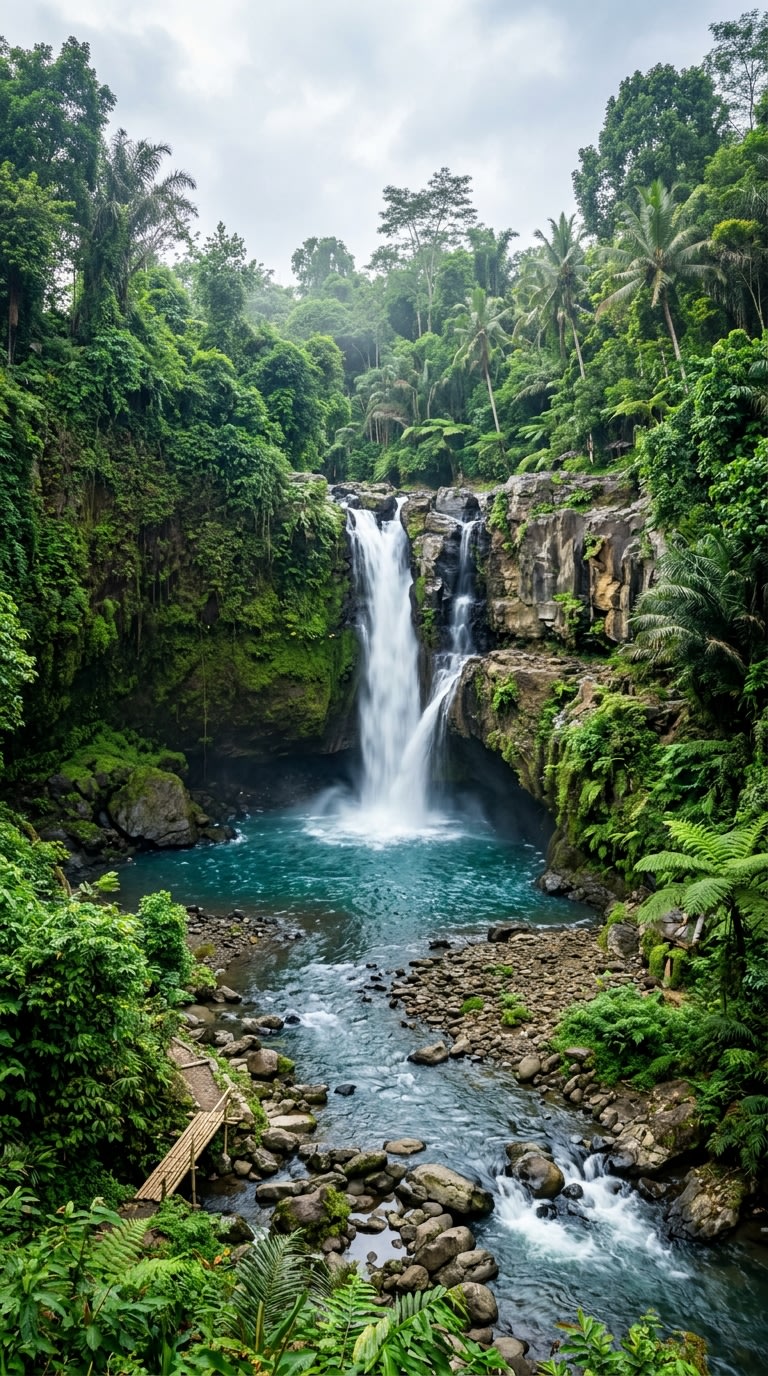
Tegenungan Waterfall is one of Bali’s most accessible and picturesque waterfalls, making it a popular spot for visitors seeking natural beauty. The waterfall cascades down a rocky cliff into a tranquil pool, surrounded by lush greenery, creating a perfect backdrop for photos and relaxation. The sound of the rushing water and the cool mist provide a refreshing escape from the heat.
Visiting is best during the dry season when the water flow is manageable, and the surrounding area is safe for swimming. Entry costs around $2, and there are several viewpoints that offer excellent opportunities for photography. Arrive early in the morning to enjoy the site with fewer crowds and to catch the sunlight streaming through the trees.
For the adventurous, consider hiking down to the base of the waterfall for a closer view and a refreshing swim. Be cautious on the rocky paths and ensure you have appropriate footwear to navigate the terrain.
7. Indulge in Balinese Cuisine at Local Warungs

No trip to Bali is complete without indulging in its vibrant culinary scene. Local warungs, or family-owned restaurants, offer authentic Balinese dishes that showcase the island’s rich flavors and culinary traditions. From fragrant nasi goreng to spicy sambal and savory satay, the options are endless and often made from fresh, locally sourced ingredients.
One of the best experiences is to visit a warung in Ubud or Seminyak, where you can enjoy a meal for as little as $5. Be adventurous and try dishes like babi guling (suckling pig) or bebek betutu (slow-cooked duck). It’s a great way to immerse yourself in the local culture while savoring a variety of flavors.
For a unique experience, consider participating in a cooking class, where you can learn to prepare traditional dishes using local ingredients. Many classes also include market tours to gather fresh produce, adding another layer to your culinary adventure.
Frequently Asked Questions
What is the best currency to use in Bali?
The Indonesian Rupiah (IDR) is the official currency in Bali. It’s advisable to exchange your USD for IDR upon arrival for better rates. ATMs are widely available, but always check your bank’s foreign transaction fees as they can vary.
Is it safe to drink tap water in Bali?
It’s not recommended to drink tap water in Bali. Stick to bottled water, which is readily available. Most hotels and restaurants provide safe drinking water, but always check the seal on the bottle before consuming.
What type of plug adapter do I need for Bali?
Bali uses plug types C and F, with a standard voltage of 230V. US travelers will need a plug adapter, and it’s a good idea to bring a universal adapter for convenience.
Is tipping customary in Bali?
Tipping is appreciated but not mandatory in Bali. Many restaurants include a service charge, but rounding up the bill or leaving small change for good service is a nice gesture. For drivers and guides, a tip of 10% is generally accepted.
What health precautions should I take before visiting Bali?
Before traveling to Bali, consult your healthcare provider for advice on vaccinations and medications. Common recommendations include vaccinations for Hepatitis A and Typhoid, and travelers should consider anti-malarial medication if visiting rural areas.
Bali is a destination that promises to leave an indelible mark on your soul, offering a harmonious blend of nature, culture, and adventure. From the breathtaking sunrise at Mount Batur to the serene beaches of Seminyak, each experience is designed to inspire and rejuvenate.
As you embark on this unforgettable journey, let the magic of Bali sweep you off your feet and create memories that will last a lifetime. Start planning your trip today and immerse yourself in the beauty and spirit of this remarkable island.


Leave a Comment